Last updated: October 21, 2026
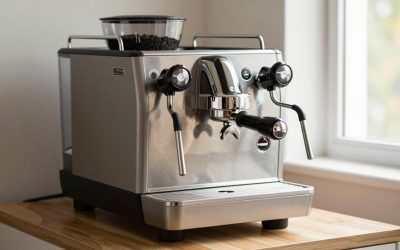
Choosing between a semi automatic espresso machine and a super-automatic model is the single biggest decision most home espresso shoppers face. Both pull real espresso, but they ask very different things of you. A semi-automatic hands you the controls and expects you to grind, dose, tamp, and steam. A super-automatic hides all of that behind a button. This comparison breaks down how the two families differ, features a mix of leading machines from each camp, and helps you decide which philosophy fits your kitchen and your mornings.
As an Amazon Associate we earn from qualifying purchases at no extra cost to you.


Quick Comparison
| Product | Brand | Price | Rating |
|---|---|---|---|
| Breville Barista Express Espresso Machine BES870XL | — | $689.99 | 4.5/5 |
| Gaggia RI9380/51 Classic Evo Pro Espresso Machine | — | $529.99 | 4.4/5 |
| De’Longhi ESAM3300 Magnifica Super Automatic Espresso &… | — | $799 | 4.2/5 |
| Philips 3200 Series Fully Automatic Espresso Machine | — | $589 | 4/5 |
| Jura ENA 4 Full Metropolitan Black #15374 | — | $1179.99 | 4/5 |
Top Picks: Semi-Auto and Super-Auto Compared
See also: How to Descale an Espresso Machine: Citric Acid vs Vinegar • Best Electric Kettles: Ten Glass, Steel and Gooseneck Picks Compared
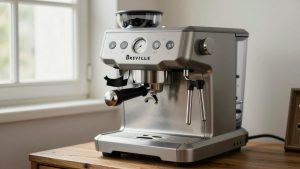
Breville Barista Express (Semi-Automatic)
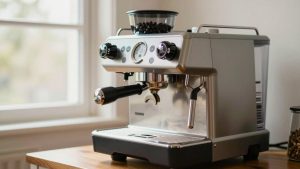
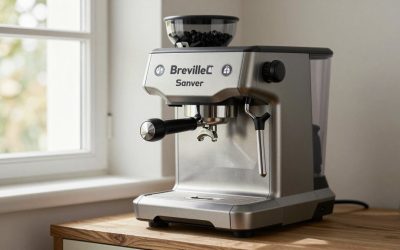
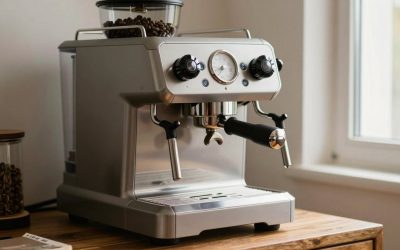
The Breville Barista Express is the machine that converted a generation to home espresso. It bundles a conical burr grinder, a portafilter, and a steam wand into one footprint, so you grind and tamp yourself but skip buying a separate grinder. It is the textbook semi-automatic: enough manual control to learn real barista skills, with enough built-in convenience to avoid frustration.
Gaggia Classic Evo Pro (Semi-Automatic)
The Gaggia Classic Evo Pro is the enthusiast’s semi-auto. It uses a commercial-style 58mm portafilter and a no-nonsense single-boiler design that extracts at the 9 bars recommended by the Specialty Coffee Association. There is no built-in grinder, which keeps it compact and endlessly upgradable, and its steam wand produces genuinely tight microfoam once you practice.
De’Longhi Magnifica ESAM3300 (Super-Automatic)
The De’Longhi Magnifica ESAM3300 is the long-running gateway super-automatic. It grinds, doses, tamps, brews, and ejects the puck automatically, leaving you only to froth milk with its manual wand. For people who want bean-to-cup convenience without a high price, it remains a default recommendation years after launch.
Philips 3200 LatteGo (Super-Automatic)
The Philips 3200 with LatteGo pushes convenience further. Its touch display brews several drinks at a button press, and the LatteGo system froths milk automatically with a two-piece carafe that rinses in seconds. A ceramic grinder and AquaClean filter support keep maintenance manageable, making it a strong pick for households that want lattes without learning to steam.
Jura ENA 4 (Super-Automatic)
The Jura ENA 4 is the compact premium super-automatic. It focuses on espresso and black coffee with a refined grinder and pulse-extraction process, in a footprint small enough for tight counters. It represents the upper end of the super-auto experience: minimal effort, polished engineering, and a price that reflects both.
How the Two Types Actually Differ
A semi-automatic machine automates only the water pressure. You control the grind, the dose, the tamp, the shot timing, and the milk steaming. That means a learning curve, but it also means you can chase cafe-quality results and fix a bad shot by adjusting variables. A super-automatic automates the entire chain from bean to cup. You press a button and walk away. The trade is consistency and convenience in exchange for less control over each individual shot.
Neither is objectively better. A semi-auto rewards involvement; a super-auto rewards speed. If you enjoy the ritual, you will likely find a super-automatic sterile. If you just want a great drink before work, a semi-auto can feel like a chore. Our broader espresso machine buying guide covers the full spectrum, and the best espresso machine brands comparison helps if you are brand-shopping.
Cost of Ownership and Maintenance
Up-front price is only part of the story. Semi-automatics usually cost less initially but may require a separate grinder, which closes the gap. They are also easier to repair, since the parts are simpler and widely available. Super-automatics carry more electronics and a built-in grinder, so they cost more to buy and more to service when something fails, though daily cleaning is often as simple as running an automatic rinse cycle.
Both types need descaling and backflushing on a schedule. With a semi-auto, you will also hand-clean the portafilter and steam wand after each session. Pairing either machine with quality espresso accessories and the right coffee grinder for espresso (essential for grinderless semi-autos) protects your investment over time.
Which Should You Buy?
Choose a semi-automatic if you want to learn, enjoy hands-on brewing, value repairability, and care about latte art. The Breville Barista Express and Gaggia Classic Evo Pro are proven starting points. Choose a super-automatic if convenience and speed matter most, several people share the machine, or you want milk drinks without practicing steaming. The De’Longhi Magnifica, Philips 3200, and Jura ENA 4 span the budget-to-premium range. If milk drinks are your priority either way, a dedicated milk frother and steamer can supplement a semi-auto, and the best espresso machine for home roundup lists more options in both categories.
Workflow and Daily Routine
Beyond the espresso itself, the two machine types shape your morning differently. A semi-automatic asks for a few minutes of active attention: grinding fresh, dosing into the portafilter, tamping evenly, locking in, pulling the shot, and then steaming and wiping down the wand. For many enthusiasts that ritual is the appeal, a small daily craft that produces a better, more personal cup. A super-automatic compresses all of that into roughly thirty seconds of pressing a button and waiting, which is invaluable when several people need coffee before rushing out the door. Think honestly about whether you want a hobby or an appliance, because that single question predicts your satisfaction better than any spec sheet. If you anticipate brewing several milk drinks back to back for a household, the hands-off frothing of a super-automatic saves real time, whereas a solo espresso drinker who savors the process will likely find a semi-automatic far more rewarding.
Frequently Asked Questions
Is a semi-automatic or super-automatic better for beginners?
It depends on goals. A super-automatic is easier on day one because it handles everything, but a semi-automatic like the Breville Barista Express teaches real skills and offers more control as you improve. Beginners who enjoy learning often prefer semi-autos.
Do super-automatic machines make worse espresso?
Not necessarily worse, but less adjustable. A good super-auto produces consistent, solid espresso every time, while a well-dialed semi-auto can reach higher peaks because you control every variable. The gap is smaller than many enthusiasts claim.
Do I need a separate grinder for a semi-automatic machine?
Only if your machine lacks a built-in grinder. The Breville Barista Express includes one; the Gaggia Classic Evo Pro does not, so it needs a dedicated burr grinder to perform well.
Can super-automatic machines make latte art?
Rarely. Most super-autos use automatic frothers that produce foam but not the tight, pourable microfoam needed for latte art. If latte art matters to you, a semi-automatic with a proper steam wand is the better choice.
Which type lasts longer?
Simpler semi-automatics often have longer practical lifespans because they have fewer electronic parts to fail and are easier to repair. Super-automatics can last many years too, but their complexity makes major repairs more costly.