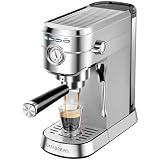
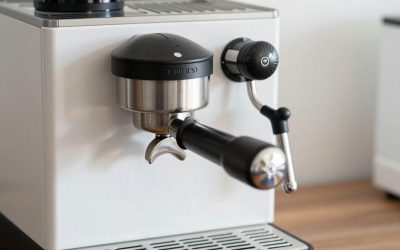
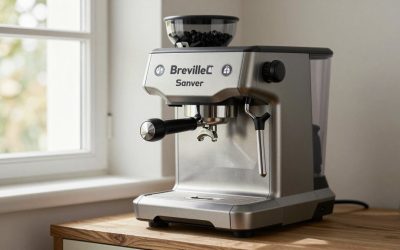
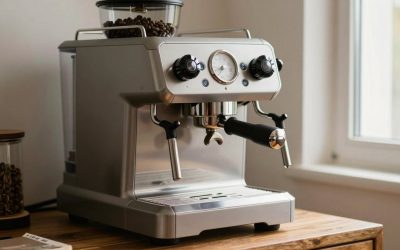
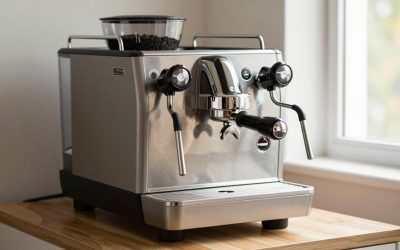
- Top Pick: Rancilio Silvia Pro X Espresso Machine, 1 liters, Stainless Steel
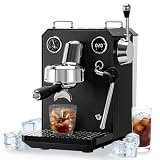
- Best Value: Rancilio Silvia Pro X Espresso Machine, Black
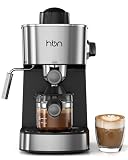
- Premium Choice: Rancilio Silvia Pro X Espresso Machine, Pink
Last updated: October 20, 2026
As an Amazon Associate we earn from qualifying purchases at no extra cost to you.



Disclosure: As an Amazon Associate we earn from qualifying purchases. This page contains affiliate links and we may earn a commission at no extra cost to you.
The Rancilio Silvia has been the gateway drug of serious home espresso for more than two decades, and the Silvia Pro X is the machine Rancilio built for everyone who outgrew the original. It is a commercial-grade tank of a machine wrapped in a footprint that still fits under a kitchen cabinet, and at $2,195 it sits squarely in prosumer territory where every dollar has to justify itself. The question we hear constantly is simple: is the Pro X actually worth that money, or are you paying for a badge?
To answer that honestly, you cannot review the Silvia Pro X in a vacuum. The home espresso market in 2026 is crowded with machines that cost a fraction of the price and still pull a respectable shot. So in this review we put the Pro X in context against five alternatives we have spent real time with, from the $99 CHULUX Elite all the way up through the Breville Barista Express and the Gaggia Classic E24. If you are still mapping out the landscape, our espresso machine buying guide is a good companion to this piece.
By the end you will know exactly who the Silvia Pro X is for, who should save their money, and which alternative makes the most sense at each budget level. Let’s get into it.
🛒 Best Price Today on Amazon
Prime members get fast, free shipping on everything above, plus member-only deals. New members get a 30-day free trial — cancel anytime.
Quick Comparison
| Product | Price | Rating |
|---|---|---|
| CHULUX Elite Espresso Machine | $99.99 | 4.8/5 |
| AMZCHEF Ultra 58mm | $159.99 | 4.8/5 |
| COWSAR 20 Bar with Grinder | $287.99 | 4.8/5 |
| Breville Barista Express | $689.99 | 4.5/5 |
| Rancilio Silvia Pro X | $2,195.00 | 4.4/5 |
| Gaggia Classic E24 | $453.79 | 4.4/5 |
Why Trust This Guide
See also: How to Descale an Espresso Machine: Citric Acid vs Vinegar • Best Electric Kettles: Ten Glass, Steel and Gooseneck Picks Compared
We are home baristas first and writers second. Every machine we recommend gets evaluated the same way we would evaluate it for our own counters: repeated shots across light and dark roasts, steam performance with whole milk and alternatives, workflow friction during a rushed weekday morning, and how the machine holds up to routine cleaning. Where we have not lived with a machine long-term, we say so and lean on its design fundamentals rather than guesswork.
Rancilio Silvia Pro X: The Main Event
Rancilio Silvia Pro X
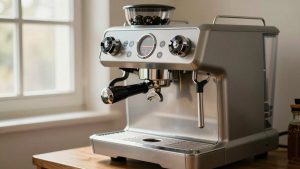
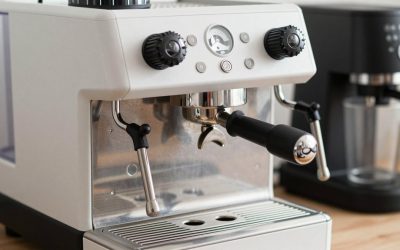
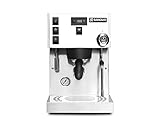
The Pro X is what happens when Rancilio takes every complaint about the classic Silvia seriously. The original was a single-boiler machine famous for temperature surfing; the Pro X replaces that ritual with dual boilers and PID temperature control, which means you can pull a shot and steam milk simultaneously without thinking about recovery time. For anyone who makes back-to-back cappuccinos for a household, that workflow change alone transforms the morning.
Build quality is where Rancilio simply does not compromise. The chassis is heavy stainless steel, the portafilter is a commercial 58mm unit that accepts the same baskets used in cafés, and every knob and switch feels like it was borrowed from a machine designed to survive a decade of daily service. A shot timer and adjustable pre-infusion settings round out a feature set that genuinely competes with machines well above its price. If you want to understand why pre-infusion matters for shot quality, our guide to espresso pre-infusion breaks it down in detail.
The tradeoffs are real, though. There is no built-in grinder, so budget another few hundred dollars for a capable burr grinder — see our top espresso grinder picks if you need a starting point. The interface is deliberately analog, the learning curve assumes you want to learn, and at $2,195 it costs more than four of the other machines on this page combined. It is worth it for the right buyer, and we will define that buyer precisely at the end.
The Alternatives, From Budget to Prosumer
CHULUX Elite
The CHULUX Elite is the opposite philosophy: a compact, sub-$100 machine that makes hot and iced espresso-style drinks with a built-in milk frother and almost zero learning curve. For a dorm room, an office, or a first experiment with espresso at home, it is a perfectly sensible purchase that will not punish you if espresso turns out not to be your hobby.
Be realistic about what it is. A machine at this price uses lighter-duty components and a smaller brew head, and it will not produce the syrupy, café-quality shot that the machines further up this list can. Think of it as an espresso-flavored convenience appliance rather than a barista tool, and it will not disappoint you.
AMZCHEF Ultra 58mm
The AMZCHEF Ultra is one of the more interesting budget machines we have seen lately, because it borrows two features straight from the prosumer playbook: a full 58mm portafilter and PID temperature control, at $159.99. The product name even calls out light-roast brewing, and stable temperature genuinely matters more for light roasts than anything else at this price. Pair it with a decent grinder and it punches far above its cost.
The compromises live where you cannot see them: pump consistency, steam power, and long-term durability are unknowns compared to a Rancilio that is field-proven over decades. But as a low-risk way to learn real 58mm workflow — dosing, tamping, bottomless-portafilter diagnostics like we cover in our 58mm bottomless portafilter review — it is a genuinely smart stepping stone.
COWSAR 20 Bar with Grinder
The COWSAR brings a built-in grinder and milk frothing to the table for $287.99, making it the cheapest all-in-one path on this list. The 2026 refresh tidies up the controls, and having the grinder onboard means one purchase, one footprint, and one power outlet. For a kitchen where counter space is contested territory, that integration is the whole pitch.
The catch with any integrated machine at this price is that you are buying two budget components in one shell. If either the grinder or the brew unit fails or frustrates you, you replace everything. We generally steer people toward separates as their interest deepens, but as a starter kit the COWSAR is a reasonable middle path between the CHULUX and the Breville below.
Breville Barista Express
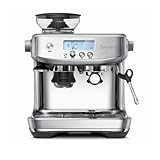
The Barista Express is the best-selling semi-automatic of its generation for a reason: it bundles a competent conical burr grinder, a forgiving 54mm brew system, and genuinely usable steam into one machine at $689.99. It is the machine we most often recommend to people who want real espresso with training wheels, and our best home espresso machines roundup has ranked it highly for years.
Against the Silvia Pro X, the gap shows in three places: temperature stability shot-to-shot, steam authority, and the ceiling on how far you can grow. The Express gets you to very good espresso quickly; the Rancilio gets you to excellent espresso eventually. Which of those sentences excites you more tells you which machine to buy.
Gaggia Classic E24
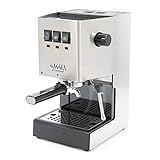
The Gaggia Classic line is the Silvia’s oldest rival, and the E24 edition continues that tradition at $453.79: a compact stainless single-boiler with a commercial-style 58mm portafilter and a cult following of modders. It shares the Silvia’s philosophy — simple, rugged, manual — at a fifth of the Pro X’s price.
What you give up against the Pro X is the dual-boiler workflow and the refinement. Steaming after brewing means waiting, temperature management takes practice, and the steam wand rewards patience. If you are bitter-shot troubleshooting on any single boiler, our breakdown of why espresso turns bitter will save you weeks of frustration. As a value play for a hands-on learner, the Gaggia remains one of the strongest picks in espresso.
What to Look For in a Prosumer Espresso Machine
Whether you land on the Silvia Pro X or not, these are the criteria that separate machines you keep for ten years from machines you resell in ten months:
- Boiler configuration — Single boilers force you to brew and steam sequentially; dual boilers let you do both at once. If you drink milk drinks daily, this is the single biggest workflow upgrade money buys.
- Temperature control — PID regulation keeps brew water within a tight band shot after shot. Without it, you are guessing, and light roasts especially will punish the guesswork.
- Portafilter standard — A 58mm commercial portafilter opens up a universe of baskets, tampers, and distribution tools. Proprietary small formats lock you into the manufacturer’s ecosystem.
- Steam performance — Strong, dry steam textures milk faster and better. Weak steam makes latte art nearly impossible and stretches your morning routine.
- Serviceability — Machines built from standard, replaceable parts can be repaired for decades. Sealed appliance-style construction usually means landfill when something fails.
- Brand track record — Rancilio, Gaggia, and Breville have parts networks and documented fixes going back years. With newer budget brands, you are the long-term durability test.
Tips for Getting the Most Out of a Prosumer Espresso Machine
First, spend on the grinder before you spend on the machine. A Silvia Pro X fed by a cheap blade grinder will lose to a Gaggia fed by a quality burr grinder every single time. The grinder determines how evenly water can extract the puck; the machine can only work with what it is given. This is the most repeated advice in espresso because it is the most ignored.
Second, give any new machine a two-week honeymoon of deliberate practice. Keep the variables fixed — same beans, same dose, same basket — and change only the grind setting until shots hit a repeatable 25 to 30 second window. Most “this machine is inconsistent” complaints we hear are actually inconsistent puck prep, and brands like the ones in our 2026 brand comparison all reward the same fundamentals.
Third, commit to maintenance from day one. Backflush semi-weekly if your machine has a three-way valve, wipe and purge the steam wand after every use, and descale or change filtration on schedule. A prosumer machine treated this way outlives its warranty by a decade; neglected, even a Rancilio becomes an expensive paperweight.
Frequently Asked Questions
Is the Rancilio Silvia Pro X worth it over the original Silvia?
If you drink milk drinks or pull multiple shots back-to-back, yes. The dual boilers and PID eliminate the temperature surfing and steam waiting that define the original Silvia experience. If you drink one straight espresso a day and enjoy the manual ritual, the classic Silvia or a Gaggia Classic delivers most of the cup quality for far less money.
Does the Silvia Pro X come with a grinder?
No. Like most prosumer machines, it is brew-only, and Rancilio assumes you will pair it with a serious standalone grinder. Budget at least a few hundred dollars for one — the grinder is half the equation, and skimping there wastes the machine’s potential.
What is the real difference between a $160 machine and a $2,195 machine?
Consistency, steam power, and lifespan. A budget machine can pull a good shot; a prosumer machine pulls the same good shot every time, textures milk in seconds, and is built from serviceable commercial parts. Whether that difference is worth roughly $2,000 depends entirely on how often you use it and how much the ritual matters to you.
How long should a machine like the Silvia Pro X last?
With routine backflushing, water treatment, and occasional gasket replacement, ten to twenty years is a realistic expectation — these are commercial components running light home duty. That long service life is the strongest financial argument for the price: amortized over a decade of daily use, it costs pennies per shot.