Last updated: October 2, 2026
Quick answer: For most people in 2026, the best beginner coffee maker is the Automatic drip — our #1 rated choice. See the full ranked comparison, alternatives and buying advice below.
Start with the kind of coffee you want
The best beginner coffee maker is usually the one that matches your morning routine, not the one with the most settings. If you want a full pot with little fuss, choose an automatic drip machine. If you mostly drink one cup, a single-serve brewer is simpler. If you want espresso drinks, choose an entry-level espresso machine—but budget for a grinder and expect a learning curve.
For most first-time buyers who drink regular coffee, a basic drip machine is the sensible place to start. It is easy to use, makes several cups at once, and does not require you to learn grind size or tamping. Spend more only for a feature you will use, such as a thermal carafe or programmable start time.
Compare the main types
See also: Breville Bench Saver • Rocket Espresso Coffee Machine
| Type | Best for | Main trade-off | What can go wrong |
|---|---|---|---|
| Automatic drip | Several cups of everyday coffee | Less control over brewing than a pour-over | Stale-tasting coffee if it sits on a hot plate |
| Single-serve pod | One quick cup with minimal cleanup | Higher cost per cup and ongoing pod waste | Pods may run out or be hard to recycle locally |
| Manual pour-over | One careful cup and hands-on brewing | Requires a kettle, timing, and attention | Inconsistent results if pouring or grind changes |
| Entry-level espresso | Espresso and milk drinks at home | More cost, practice, and counter space | Weak shots from stale beans or an unsuitable grinder |
Best for most beginners: automatic drip
A drip machine is the easiest all-rounder if you make coffee for more than one person or want a few cups ready with one button. Look for a removable water reservoir if filling the machine at the sink is awkward, and check that its carafe size suits your household. A “12-cup” capacity usually refers to small coffee-maker cups, not twelve large mugs.
A glass carafe on a warming plate is often the cheaper choice and works fine if you drink the pot soon after brewing. Leave coffee on the plate for an hour or two and it can taste flat or scorched. A thermal carafe costs more but keeps coffee warm without continuous heating. It is a better fit for slow mornings, though some thermal pots are harder to clean and may not pour as neatly.
For a low-fuss start, compare beginner automatic drip coffee makers. Prioritize a straightforward brew button and easy-to-wash parts over touchscreens or specialty modes. A timer is useful only if you will set it; it does not improve coffee that has been sitting around.
For one cup: pod or small-batch brewer?
A pod brewer makes sense when speed and minimal cleanup matter more than the lowest cost per cup. It is particularly convenient for a household where people want different drinks at different times. Before buying, check pod availability and price, plus whether the machine accepts reusable filters if you want to use your own ground coffee. Reusable filters save on pods but add a step and can be messier than dropping in a sealed capsule.
The drawbacks are practical: pods take storage space, create more packaging, and can cost more over time than a bag of ground coffee. Some machines also restrict cup size or make coffee that tastes thin if too much water is run through one pod. If you are choosing this route, browse single-serve pod-compatible coffee makers and confirm which pods they take before ordering.
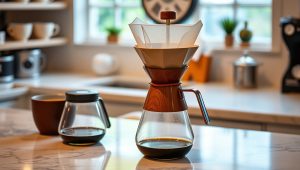
If you want one fresh cup but do not mind a little cleanup, a small drip machine or pour-over can be cheaper to run. A basic pour-over cone is inexpensive, but you need a kettle and must pour slowly and steadily. It is a good option for someone who enjoys a short brewing ritual, not for a person who wants coffee ready while getting dressed.
If you want espresso drinks
Espresso machines are tempting, but they are a different kind of purchase from a drip maker. A beginner can make enjoyable cappuccinos and lattes at home, but getting repeatable shots takes practice. You will need fresh beans, an espresso-capable grinder, and room for the machine and accessories. A low-cost machine paired with a poor grinder often produces sour, weak, or uneven shots; the machine alone is not the whole setup.
Choose an entry-level machine if making espresso is part of the hobby and you are willing to learn how to grind, dose, tamp, and clean the brew area. If you mainly want milk drinks with no daily adjustment, a pod-based espresso system may be less demanding, though it limits coffee choice and can cost more per drink. Compare beginner espresso machines with milk frothers, and check whether a grinder is included rather than assuming it is.
Steam wands also need attention: milk residue dries quickly and can block the tip, so wiping and purging it after use matters. If that sounds like a chore, pick a simpler brewer instead. An espresso machine is not automatically an upgrade if you will rarely use its features.
What to check before buying
Measure the counter and the space under cabinets, especially for espresso machines and tall single-serve brewers. Check how much water the reservoir holds, whether parts are dishwasher-safe, and whether replacement filters or pods are easy to find. A machine that is annoying to fill or clean is likely to get used less, even if its coffee is good.
Use fresh coffee and the right amount of water before blaming the brewer. For drip coffee, a kitchen scale is helpful but not essential; start with the coffee maker’s instructions and adjust to taste. Descale as often as the manual recommends, particularly if your tap water is hard. Ignoring scale can slow brewing and eventually affect operation. If you want the least expensive reliable setup, a plain drip machine and pre-ground coffee are perfectly reasonable; you can upgrade your grinder later if you notice you want more control.
FAQ
How much should a beginner spend?
For everyday drip coffee, a basic machine is often enough. Spend extra for a thermal carafe, easier cleaning, or a feature you know you will use—not simply a longer list of settings.
Is a single-serve machine cheaper?
It may cost less upfront, but pods generally cost more per cup than ground coffee. The cheaper option depends on how often you brew and whether convenience is worth the ongoing expense.
Do I need a grinder to make good coffee?
No. Pre-ground coffee is fine for starting out, especially with a drip brewer. A grinder matters more if you want fresher coffee or plan to make espresso, where grind consistency has a larger effect.
Should I buy an espresso machine as my first coffee maker?
Only if espresso drinks are the goal and you are comfortable with practice and extra cleanup. If you mainly want a quick mug of coffee, a drip or single-serve machine is easier to live with.
Ready to decide? Our #1 pick for 2026 is the Automatic drip.
Live price & availability on Amazon.