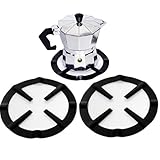
- Top Pick: 2 Pack 53.3mm Espresso Puck Screen, Reusable 1.7mm Thickness 150μm Coffee Filter Mesh Plate for Espresso Portafilter Filter Basket (53.3mm,150μm)
- Best Value: Normcore 53.3mm Puck Screen – Lower Shower Screen – Metal Contact Screen for Espresso 54mm Portafilter Filter Basket – 1.7mm Thickness 150μm – 316 Stainless Steel
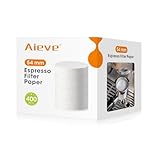
- Premium Choice: Aieve 54 mm Espresso Paper Filter Compatible with Breville Espresso Machine
Last updated: September 18, 2026
Choosing between a puck screen and an espresso paper filter is less about finding a universally better accessory and more about deciding how you want your home coffee routine to feel. Both sit in or around the coffee puck, help manage water flow, and can reduce the amount of coffee that reaches the machine’s shower screen. The difference is simple: a puck screen is a reusable metal disc, while an espresso paper filter is a disposable paper disc.
That distinction affects cleanup, cost, storage, workflow, and even how comfortable the setup feels in a small kitchen. A metal screen may suit someone who wants a reusable tool and a tidy-looking puck. Paper filters may be better for a busy household that values speed and does not want another item to rinse and dry. Basket size also matters: a 53.3mm or 54mm accessory will not automatically fit a 58mm portafilter.
As an Amazon Associate we earn from qualifying purchases at no extra cost to you. Product prices and availability are accurate as of the date shown and are subject to change.



For most buyers in 2026, the real decision is whether to spend a little more time cleaning one durable accessory or spend a little money each time for a faster, simpler routine.
Quick Verdict
Choose a puck screen if you make espresso frequently, want a reusable accessory, prefer less paper waste, and do not mind rinsing and drying a thin metal disc after every use. It is especially practical for owners who want to keep the shower screen and group area cleaner without adding a disposable step.
Choose an espresso paper filter if convenience is your priority. Paper filters are lightweight, easy to store, and simple to discard with the used puck. They are a strong choice for apartments, rentals, households with children or pets, and anyone who makes only a few shots per week.
Neither accessory replaces proper dosing, distribution, tamping, or grinder adjustment. A puck screen or paper filter can support a cleaner workflow, but it will not correct a poorly prepared espresso puck.
Side by Side
See also: How to Season a New Coffee Grinder (2026): Step-by-Step • How to Clean a Moka Pot Safely (2026): Step-by-Step
| Factor | Puck Screen | Espresso Paper Filter |
|---|---|---|
| Comfort | Easy to use once fitted; requires rinsing after brewing | Very quick and mess-free; no rinsing required |
| Durability | Designed for repeated use; stainless steel is common | Single-use; can tear if handled roughly or pre-wet carelessly |
| Price range | About $6-$15 for a basic screen | About $8-$12 for a large pack, depending on count and size |
| Maintenance | Rinse, occasionally soak, and dry fully | Discard after each shot; keep unused filters dry |
| Space needed | About 54mm wide and 1.7mm thick for many home models | A flat stack or pouch; usually less than 1 inch thick in storage |
| Look | Neat, durable, and more like a permanent coffee tool | Functional but disposable; paper edges may be visible |
| Resale | May be included as a useful reusable accessory | Partially used paper supplies add little or no resale value |
| Best for | Frequent espresso makers and low-waste routines | Fast cleanup, occasional use, and busy households |
| Size choices | Common options include 53.3mm and 54mm | Common options include 54mm and 58mm |
Where Puck Screen Wins
The biggest advantage of a puck screen is repeat use. A stainless-steel disc can serve for years when it is handled carefully, making it appealing to people who pull espresso every day. The screen is placed on top of the tamped coffee before locking in the portafilter. After brewing, it can be knocked out with the puck and rinsed.
A puck screen also gives the setup a more finished, permanent feel. Many are approximately 1.7mm thick and use fine mesh, such as a 150-micron design. Those dimensions matter because the accessory must fit inside the basket without taking up so much headspace that the portafilter becomes difficult to lock in. A screen that is too large can bind against the basket walls; one that is too thick can affect the dose and puck clearance.
Reusable screens are also a practical way to reduce disposable waste. A basic 53.3mm, 150-micron two-pack can cost about $5.99, while a 54mm Normcore 316 stainless-steel screen is listed around $13.99. The higher-priced option is still a one-time purchase rather than a recurring supply, assuming the size matches the basket.
Maintenance is manageable, but it is not zero. Fine coffee particles can lodge in the mesh, especially when the screen is not rinsed promptly. A quick rinse under warm water after each use is usually the minimum. An occasional soak in an espresso equipment cleaner may help remove coffee oils, but users should follow the manufacturer’s care instructions and rinse thoroughly afterward.
A screen may also be the better visual choice for an exposed coffee station. Unlike a paper disc that is thrown away after brewing, a metal screen looks like part of the machine’s equipment. That can matter in an open kitchen where accessories remain on the counter.
Where Espresso Paper Filter Wins
Paper filters win on convenience. Place one in the appropriate position, brew, and discard it with the spent coffee. There is no mesh to scrub, no metal disc to dry, and no concern about old coffee oils remaining in the accessory. For a household that values a fast morning routine, that simplicity can outweigh the ongoing supply cost.
Paper is also easier to store. A stack of several hundred filters can fit in a drawer, while a metal screen needs a small drying or storage spot. This is useful in a studio apartment or a kitchen with limited counter space. Paper filters are lightweight, so they are also convenient for anyone who moves often or keeps a compact coffee setup in an office or guest room.
Fit remains essential. Aieve 54mm espresso paper filters made for compatible Breville machines are listed around $7.99. A 1,000-count pack of 58mm coffee filters may cost about $11.99, but that larger size is intended for a different basket format. Measure the inside diameter of the basket and confirm whether the filter belongs above the puck, below it, or in a specific manufacturer-approved position.
Paper filters can be less forgiving during preparation. A dry disc may shift while the portafilter is locked into place, and an unevenly positioned filter can wrinkle at the edge. Lightly wetting the filter may help it stay put, but too much water can make handling awkward. Paper can also tear if it is aggressively pressed or removed from a wet basket.
For occasional espresso drinkers, however, those limitations are usually minor. Buying a pack of filters avoids dedicating time to maintenance for an accessory that may sit unused for days or weeks.
Cost Over 5 Years
The five-year cost depends mainly on how many shots you make and how carefully you maintain the reusable screen. A puck screen priced from approximately $6 to $14 has a low upfront cost. Even if it needs replacement once during five years, the accessory cost could remain roughly $12 to $28, not counting cleaner or water.
Paper filters are more variable. At $8 to $12 per pack, a 1,000-count supply could be inexpensive per shot, while smaller packs may cost more. At one shot per day, 365 filters per year means about 1,825 filters over five years. If a pack contains 1,000 filters, that requires two packs, or roughly $16 to $24 at the listed price range. At two shots per day, the same period requires about 3,650 filters, or four packs: approximately $32 to $48.
These estimates assume the filters match the basket and that prices remain similar. Shipping, different pack counts, and wasted or damaged filters can change the total. The financial difference is often modest, so cleanup and convenience should carry more weight than price alone.
Which One for Your Home
Small apartment
Paper filters are often the easiest choice when counter and storage space are limited. A slim stack fits in a drawer, and there is no metal accessory sitting beside the espresso machine to dry. Choose a puck screen instead if you make multiple shots daily and want to minimize recurring supplies. Keep a small dish or rack available so the screen can dry without cluttering the counter.
Family with kids or pets
Paper filters offer the fastest cleanup and reduce the chance that a small metal disc is dropped, misplaced, or left with coffee residue where curious hands or pets can reach it. A puck screen can still work well for a high-volume household, but it should be rinsed promptly and stored securely. The best option is the one that fits the household’s actual cleanup habits.
Rental
Either option is suitable because neither requires modifying the machine. Paper filters are convenient if the espresso maker is used occasionally or may be moved between homes. A puck screen is a good fit for renters who brew daily and want a durable accessory they can take to their next machine, provided the new basket uses the same diameter.
Long-term home
A puck screen makes the most sense for a permanent coffee station and a regular brewing schedule. Its reusable design, compact size, and low long-term accessory cost suit someone who expects to keep the same espresso setup for years. Paper remains the better choice if you value the shortest possible cleanup more than reducing disposable use.
FAQ
Does a puck screen replace an espresso paper filter?
They can serve a similar general purpose, but they are not identical. A puck screen is a reusable metal mesh disc placed on top of the coffee puck. An espresso paper filter is a disposable paper disc that may be used above or below the puck, depending on the machine and brewing preference. Do not use both automatically; extra thickness can reduce available headspace and make the portafilter difficult to lock in.
What size puck screen or paper filter should I buy?
Match the accessory to the basket’s internal diameter and the manufacturer’s guidance. Common home sizes include 53.3mm and 54mm, while many commercial-style baskets use 58mm. A 53.3mm screen should not be assumed to fit every 54mm basket, and a 58mm paper filter is generally too large for a compact 54mm setup.
Are puck screens hard to clean?
No, but they require consistent care. Rinse the screen after brewing, check that coffee particles are not trapped in the mesh, and allow it to dry fully. Periodic soaking may be useful for coffee-oil buildup when permitted by the care instructions. Avoid storing a wet screen in a closed container.
Which option makes better espresso?
Neither automatically produces better espresso. Results depend more heavily on grind size, dose, distribution, tamping, water, and machine settings. A properly fitted puck screen or paper filter can support a cleaner, more consistent workflow, but it should be treated as a workflow accessory rather than a substitute for dialing in the coffee.
Ready to decide? Our #1 pick for 2026 is the Comfort.
Live price & availability on Amazon.