Last updated: October 10, 2026

Starbucks Blonde Espresso Roast Whole Coffee Beans, 200g
Included for 'What Is Blonde Espresso? Starbucks' Light Roast Explained' as a representative home product in this roundup; selection reflects the product set returned for this topic.
View on Amazon
Starbucks by Nespresso Vertuo, Blonde Roast Espresso, 50-count Espresso Pods, Brews, 1.35 oz. (Pack of 2)
Included for 'What Is Blonde Espresso? Starbucks' Light Roast Explained' as a representative home product in this roundup; selection reflects the product set returned for this topic.
View on AmazonOrder at a Starbucks counter and you will be offered a choice most coffee shops never mention: signature or blonde espresso. So what is blonde espresso, exactly? It is simply espresso brewed from lighter-roasted beans — Starbucks’ Blonde Espresso Roast — which trades the smoky, caramelized intensity of a traditional dark espresso roast for a smoother, brighter, subtly citrusy cup. Despite the marketing gloss, “blonde” is a roast level, not a different bean species or brewing method. This guide explains how blonde espresso tastes, how it compares on caffeine, which drinks it improves, and how to recreate the style with your own machine at home.
- Quick Comparison
- Where Blonde Espresso Came From
- Blonde Espresso at a Glance
- Blonde vs Signature Espresso: Taste
- What Light Roasting Changes Inside the Bean
- Does Blonde Espresso Have More Caffeine?
- Blonde vs Signature Caffeine by Drink Size
- Which Drinks Suit Blonde Espresso Best?
- How to Make Blonde-Style Espresso at Home
- Dialing In Blonde-Style Beans: Quick Fixes
- Blonde Espresso Without an Espresso Machine
- Is Blonde Espresso Right for You?
- Beans and Pods That Help
- Frequently Asked Questions
- About the Author
- Related Articles
Quick Comparison
| Product | Brand | Price | Rating |
|---|---|---|---|
| Espresso Light Roast | VolcanicaCoffee | $19.99 | 5/5 |
| JaJa Java Espresso Blend Whole Bean Coffee | Ja Ja JAVA | $9.99 | 4.8/5 |
| Starbucks Whole Coffee Beans | — | $26.66 | 4.8/5 |
| TRUNG NGUYEN LEGEND Espresso Specialist Arabica Coffee … | TRUNGNGUYÊNLEGEND | $25.01 | 4.8/5 |
Where Blonde Espresso Came From
See also: 4 Best Coffee Beans for Iced Coffee (October 2026) Honest Reviews • Instant Espresso Brands Ranked
Starbucks built its reputation on dark roasts, and its signature espresso follows suit: roasted well into the dark range for bold, roasty, molasses-and-smoke flavors that punch through milk. Blonde Espresso Roast was introduced as the first new core espresso in the company’s modern history, aimed at drinkers who found the signature roast too intense or bitter. The beans — a blend of Latin American and East African coffees — are roasted for a shorter time to a lighter level, preserving more of the coffee’s origin character: gentle acidity, citrus and sweet-orange notes, and a softer, creamier impression overall.
One naming caveat: in specialty-coffee terms, Starbucks “blonde” is closer to a medium roast than a true light roast. Compared to the rest of the Starbucks lineup it is light; compared to a Nordic-style light roast from a specialty roaster, it is still fairly developed. Our roast level guide maps where these styles fall on the spectrum.
Blonde Espresso at a Glance
| Fact | Details |
|---|---|
| What it is | Starbucks Blonde Espresso Roast, a lighter roast pulled as espresso |
| U.S. launch | January 9, 2018, after a 2017 launch in Canada and test runs in a few U.S. cities |
| Why it mattered | The company’s first new core espresso option in the U.S. in 43 years; the dark Espresso Roast dates to 1975 |
| Roast level | Light by Starbucks standards; closer to medium by specialty-coffee standards |
| Flavor, as Starbucks describes it | Bright, with sweet citrus notes and a smooth body, without the roasty edge |
| Caffeine per shot | About 85 mg (Signature: about 75 mg) |
| Where to buy it for home | Whole bean, Starbucks by Nespresso capsules (Original and Vertuo lines), and K-Cup pods |
One detail worth knowing: when blonde espresso launched, coverage noted that Starbucks priced a blonde shot the same as a Signature shot, so choosing it was a pure taste decision. Check your local menu, since pricing and availability can differ by store and region.
Blonde vs Signature Espresso: Taste
| Characteristic | Blonde Espresso | Signature (Dark) Espresso |
|---|---|---|
| Roast level | Light-to-medium | Dark |
| Flavor notes | Citrus, soft sweetness, mild cocoa | Smoke, dark caramel, molasses, roast |
| Acidity | Brighter, lemony | Low, muted |
| Bitterness | Low | Pronounced |
| Body | Lighter, smoother | Heavier, bolder |
| In milk drinks | Mellow, lets syrups shine | Strong roasty backbone |
A common misconception is that lighter roast means weaker coffee. Roast level changes flavor, not strength — strength comes from the dose and ratio of the shot itself, as we explain in our beginner guide to espresso beans and roast styles.
What Light Roasting Changes Inside the Bean
Every roast follows the same path: green beans dry out, turn yellow, then brown, and eventually crack audibly as steam and gases escape. Starbucks stops its blonde roast earlier in that process than its Signature roast. That shorter roast changes the bean in four ways you can taste:
- More origin flavor survives. Fruity and floral compounds from the coffee’s growing region break down with longer roasting. Stopping earlier keeps more of them, which is why blonde tastes of citrus rather than smoke.
- More natural acids remain. Acids that read as “bright” or “lemony” decline as roasting continues, so lighter roasts taste livelier and darker roasts taste flatter.
- Less bitterness from roasting. The roasty, bittersweet compounds that define dark espresso build up late in the roast. A blonde roast simply has fewer of them.
- A denser, drier bean. Lighter beans lose less mass and stay harder, with little or no oil on the surface. That density is why they need a finer grind and hotter water to extract fully at home.
Sugar development sits in the middle. Some sugars caramelize during roasting and add sweetness, while others burn away if the roast runs long. A well-made light-to-medium roast catches that sweet spot, which is the soft, rounded sweetness most people notice first in a blonde latte.
How “blonde” maps to other roast names
Roast labels are not standardized, which causes plenty of confusion on coffee bags. Starbucks uses three broad tiers: Blonde, Medium, and Dark. Specialty roasters more often use “light,” “medium,” and “dark,” and some still use the older North American names, such as City and City+ for light-to-medium roasts and Full City or Vienna for darker ones. Starbucks Blonde lands roughly in the City to City+ range. In practice, a bag labeled “medium-light” or “light espresso” from a specialty roaster is the closest match, while a true Nordic-style light roast will taste noticeably brighter and more tea-like.
Does Blonde Espresso Have More Caffeine?
Slightly, yes. Lighter roasting preserves marginally more caffeine and bean mass per scoop, and Starbucks’ own published nutrition information lists blonde espresso a bit higher per shot than its signature roast. The difference is real but modest — not enough to plan your day around. For context on what a shot actually delivers and how it compares to drip coffee, see our breakdown of how much caffeine is in a shot of espresso.
Blonde vs Signature Caffeine by Drink Size
The 10 mg per-shot gap grows with the number of shots in your cup. Starbucks builds most hot lattes and cappuccinos with one shot in a short or tall, and two in a grande or venti; iced shaken espressos use more shots. Using the chain’s published per-shot figures:
| Drink and size | Shots | Blonde | Signature |
|---|---|---|---|
| Tall hot latte or cappuccino | 1 | About 85 mg | About 75 mg |
| Grande hot latte or cappuccino | 2 | About 170 mg | About 150 mg |
| Doppio (double espresso) | 2 | About 170 mg | About 150 mg |
| Grande iced shaken espresso | 3 | About 255 mg | About 225 mg |
The grande Iced Brown Sugar Oatmilk Shaken Espresso is the best-known example: it comes with three blonde shots by default, and Starbucks lists it at 255 mg of caffeine. That is more than half of the 400 mg daily amount most health authorities consider safe for healthy adults, so it is worth counting if you have more than one coffee a day.
To order, simply ask for your usual drink “with blonde espresso.” Shot count stays the same; only the roast changes. If you want less caffeine, ask for fewer shots or a half-decaf drink rather than switching roast, because the roast makes only a small difference.
Which Drinks Suit Blonde Espresso Best?
- Vanilla lattes and flavored drinks: blonde’s mild profile lets vanilla, caramel, and seasonal syrups take center stage instead of fighting a roasty shot.
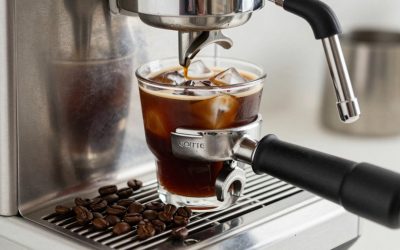
- Iced shaken espresso: the bright, citrusy notes sparkle when chilled — it is the default roast in many shaken drinks for good reason. Try it in our brown sugar shaken espresso copycat.
- Straight shots and americanos for dark-roast skeptics: if regular espresso tastes like ash to you, blonde is the gateway.
- Where dark still wins: big milky mochas and traditional cappuccinos, where you want the coffee to assert itself through chocolate and foam — see our cappuccino vs latte guide for how milk volume changes the calculus.
How to Make Blonde-Style Espresso at Home
You do not need Starbucks beans to enjoy the style — any quality light-to-medium roast espresso works. A few pointers make lighter roasts behave under pressure:
- Choose the right beans. Look for light or medium roasts with citrus, floral, or honey notes. Our roundups of the best light roast coffee beans and the best beans for espresso include excellent candidates.
- Grind finer. Lighter roasts are denser and less soluble than dark roasts, so they typically need a finer grind setting to extract fully. Our grind size guide walks through dialing in.
- Run hotter water and longer ratios. Brew at the top of the 195–205°F range if your machine allows, and consider stretching the ratio slightly past 1:2 (toward 1:2.5) to coax out sweetness and tame sourness.
- Be patient. Light-roast espresso is less forgiving than dark; expect a few sour shots while dialing in. Our light roast espresso brewing guide covers machines and settings suited to the style.
If a shot tastes sharply sour or lemony, that is under-extraction, not the roast’s fault — grind finer or extend the shot before blaming the beans.
Dialing In Blonde-Style Beans: Quick Fixes
Lighter roasts reward a few extra minutes of dialing in. If your first shots taste off, use this chart and change one variable at a time.
| Problem | Likely cause | Try this |
|---|---|---|
| Sharp, lemony sourness | Under-extraction | Grind finer, or extend the ratio from 1:2 toward 1:2.5 |
| Thin, watery body | Shot running too fast | Grind finer; aim for 28 to 35 seconds |
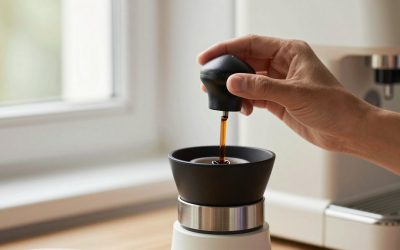
| Sour and bitter together | Channeling through the puck | Stir the grounds with a needle tool and tamp level |
| Flat, papery taste | Water too cool or beans too old | Brew near 200-205°F (93-96°C); use beans within about a month of roasting |
| Pleasant alone, lost in milk | Light roasts have less body to cut through milk | Use a smaller milk drink (cortado or flat white) or add a third shot |
Pre-infusion helps if your machine has it. Wetting the puck for a few seconds before full pressure lets dense light-roast grounds saturate evenly, which reduces sourness and spurting.
Easy recipe: iced blonde vanilla latte
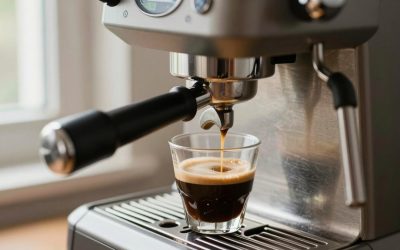
- Pull a double shot of blonde-style espresso (about 18 g in, 36 to 40 g out).
- Stir 2 to 3 teaspoons of vanilla syrup into the hot espresso so it dissolves fully.
- Fill a 12 oz glass with ice and add about 6 oz of cold milk; oat milk works well here.
- Pour the sweetened espresso over the top and stir before drinking.
Because blonde shots are less bitter, you can usually use less syrup than you would with a dark roast. Start low and add more to taste.
Blonde Espresso Without an Espresso Machine
You can get close to the blonde style with gear many kitchens already have:
- Nespresso capsules: Starbucks sells Blonde Espresso Roast capsules for both the Original line and the Vertuo line. Original capsules make a classic short shot; Vertuo offers single and double espresso sizes.
- K-Cup pods: blonde espresso-style pods brew a strong, small cup, though it is closer to concentrated coffee than true espresso.
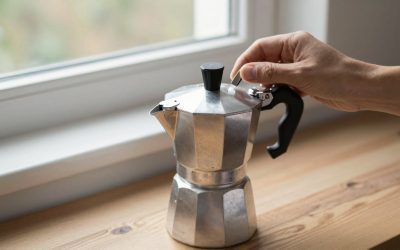
- Moka pot: a light-to-medium roast ground slightly coarser than espresso makes a bold, sweet concentrate for iced lattes. Use hot water in the base and pull it off the heat as soon as it starts to sputter to avoid burnt flavors.
- AeroPress: use a fine grind, about 15 g of coffee and 60 g of water, and press firmly for a short, concentrated shot that works well in shaken espresso recipes.
Is Blonde Espresso Right for You?
Choose blonde-style espresso if you prefer smooth, sweet, low-bitterness coffee, drink flavored lattes, or have always found traditional espresso harsh. Stick with darker roasts if you love bold, roasty intensity that announces itself through milk and chocolate. Many home baristas keep both on hand — a bright option and a classic — and our guide to arabica coffee beans explains the quality fundamentals that matter at every roast level. Developing your palate with our coffee tasting notes guide will help you name exactly what you like about each.
Beans and Pods That Help
If you want blonde character beyond Starbucks’ own bag, look for whole beans labeled light or “blonde” espresso with tasting notes such as citrus, honey, or milk chocolate. Single-origin light roasts bring more distinct fruit flavors, while light espresso blends tend to be easier to dial in.

Wink Coffee Blonde Espresso Whole Bean Coffee, 2.2 lb Bag, Light Roast Coffee Beans, 100% Arabica, Single Origin, Gourmet, Small-Batch, Smooth & Balanced, Sustainably Sourced
Included for 'What Is Blonde Espresso? Starbucks' Light Roast Explained' as a representative home product in this roundup; selection reflects the product set returned for this topic.
View on AmazonFor an easier-to-find option, a light roast arabica blend from a major Italian roaster is widely available and usually more forgiving to dial in than a single-origin light roast, which makes it a sensible first bag for blonde-style lattes and iced drinks.

Lavazza ¡Tierra! Organic for Planet Whole Bean Coffee, Light Roast, 100% Arabica, 2.2 lb Bag (pack of 1)
Included for 'What Is Blonde Espresso? Starbucks' Light Roast Explained' because the listing uses organic/natural materials, which is the attribute this article compares.
View on AmazonIf you use a Vertuo machine, the blonde double espresso capsules are the quickest way to recreate a doppio or a shaken espresso base at home, with no grinder or dialing in required.
Frequently Asked Questions
Is blonde espresso stronger than regular espresso?
It carries slightly more caffeine per shot, but it tastes milder. People often conflate roastiness with strength; blonde proves the two are different. Shot strength depends on dose and ratio, not roast color.
Is blonde espresso the same as a light roast?
Roughly. Starbucks blonde sits between a true specialty light roast and a medium roast. It is “light” relative to the brand’s famously dark signature espresso, which is what the name communicates.
Does blonde espresso taste bitter?
Much less so than dark-roast espresso. Its dominant impressions are gentle citrus, soft sweetness, and a smooth finish. Any harsh sourness in a homemade version points to under-extraction rather than the roast itself.
Can I buy blonde espresso beans for my home machine?
Yes — Starbucks sells Blonde Espresso Roast in whole-bean bags, and countless specialty roasters offer light-to-medium espresso roasts with similar bright, sweet profiles. Whole beans ground fresh will always beat pre-ground.
What is the best Starbucks drink to try blonde espresso in?
An iced blonde vanilla latte or a shaken espresso shows the roast at its best — chilled, lightly sweetened, and bright. For a purer read, order a blonde americano and taste the citrusy profile with nothing in the way.
When did Starbucks launch blonde espresso?
Blonde Espresso Roast arrived on U.S. menus on January 9, 2018, after launching in Canada the year before. It was Starbucks’ first new core espresso in the U.S. since its original Espresso Roast in 1975. The brand’s Blonde Roast drip coffee is older, dating to 2012, but that is a brewed coffee, not espresso.
Is blonde espresso more acidic than regular espresso?
It tastes brighter, which most people describe as more acidic, because lighter roasting preserves more of the bean’s natural acids and fruity flavors. Dark roasts taste flatter and less tangy, so people who dislike bright, fruity coffee often prefer them. Adding milk softens the brightness of either roast.