- Top Pick: Hamilton Beach Custom Grind Electric Coffee Grinder For Up To 14 Cups
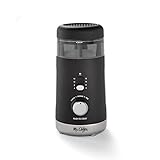
- Best Value: Mr. Coffee Automatic Coffee Grinder with 5 Presets, 12 Cup Capacity, Black – Ideal for Home Use and Espresso Lovers
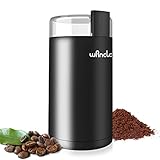
- Premium Choice: Wancle Electric Burr Coffee Grinder – Adjustable with 28 Precise Grind Settings for 12 Cups – Professional Coffee Bean Grinder (Plastic, Black)
Last updated: September 18, 2026
Choosing coffee grinder settings is less about finding the number printed on a dial and more about matching particle size to your brewing method. A common mistake is assuming that “fine” always means better extraction, or that a grinder with more presets is automatically more precise. Another is changing grind size, dose, water temperature, and brew time all at once, which makes it impossible to tell what improved the cup.
This guide explains how to choose coffee grinder grind settings while also evaluating the grinder itself. The goal is a practical setup that produces consistent grounds without overspending. Whether you are replacing a blade grinder or shopping for a compact burr model in 2026, use the settings as starting points—not permanent rules.
As an Amazon Associate we earn from qualifying purchases at no extra cost to you. Product prices and availability are accurate as of the date shown and are subject to change.


Decide These 3 Things First
- Your brewing method: Espresso usually needs fine grounds, drip coffee needs medium, and French press needs coarse grounds. Pour-over can range from medium-fine to medium, depending on the dripper and recipe.
- Your batch size: A one- or two-cup drinker may prefer a small grinder with a 30- to 60-gram bean capacity. Families brewing 10 to 14 cups should look for a hopper or chamber that handles roughly 60 to 90 grams per cycle.
- Your tolerance for adjustment: Preset grinders are simple, while stepped burr grinders with 20 to 40 settings give you more control. A timed grinder may be convenient, but grind time is not a substitute for weighing coffee.
Start with the manufacturer’s middle setting, brew a normal recipe, and change only the grind size. If the coffee tastes sour, thin, or sharp, move finer. If it tastes bitter, dry, or harsh, move coarser. Adjust in small steps—usually one or two clicks on a stepped grinder.
Size and Capacity
See also: How to Season a New Coffee Grinder (2026): Step-by-Step • How to Clean a Moka Pot Safely (2026): Step-by-Step
Counter space matters more than many shoppers expect. A compact electric grinder may measure about 4 to 6 inches wide, 4 to 8 inches deep, and 8 to 12 inches tall. That footprint is manageable beside a coffee maker, but a tall hopper can be awkward beneath upper cabinets.
Capacity should match your normal routine. For reference, a standard 12-cup coffee maker does not usually mean 12 large mugs; its “cup” is commonly about 5 fluid ounces. Brewing a full 12-cup pot can require approximately 60 to 75 grams of coffee, depending on your recipe. A grinder advertised for up to 12 or 14 cups may therefore be suitable for household batch brewing, but confirm whether its chamber holds the beans for the full batch in one cycle.
Small grinders are often easier to store and clean. Larger models may reduce the number of batches, but they can weigh 3 to 6 pounds and take up more cabinet or counter space. Measure the available area, including room to remove the lid or hopper.
Material and Grind Mechanism
The most important material decision is not whether the exterior is plastic or metal; it is whether the grinder uses blades or burrs. Blade grinders chop beans with a spinning propeller. They can be inexpensive—roughly $20 to $40—and useful for basic drip coffee, spices, or occasional use, but the grounds tend to include both powder and larger pieces.
Burr grinders crush beans between two surfaces and generally offer more repeatable particle sizes. Entry-level electric burr grinders commonly cost about $30 to $70. Their burrs may be stainless steel or ceramic, while the housing may still be plastic. A metal exterior does not automatically make a grinder better.
Stainless steel bowls are easy to wipe and can resist staining, especially in blade models. Removable bowls are convenient if the manufacturer specifically allows removal and washing. Do not submerge the motor housing, and check whether the burrs, hopper, or catch cup are intended to be washed or only brushed clean.
Construction and Adjustment Range
Look for a stable base, a lid or hopper that locks securely, and a grind-size control that does not feel loose. Rubber feet help prevent the grinder from moving during operation. A transparent lid can make a blade grinder easier to monitor, but it does not create uniform grounds.
For burr models, the adjustment range is more useful than the raw number of settings. A grinder with 28 settings, for example, should cover coarse, medium, and fine brewing zones—not merely divide a narrow range into many nearly identical clicks. Ideally, the controls should identify or clearly suggest settings for French press, drip, pour-over, and espresso.
Be cautious with inexpensive grinders marketed for espresso. True espresso requires a narrow, repeatable grind range and often small adjustments. A grinder that says “fine” may be adequate for moka pot or a pressurized espresso basket without delivering the control needed for a café-style espresso machine.
Comfort, Controls, and Performance
Convenience features are worthwhile when they support consistent brewing. A timer, cup selector, or rotary knob can make daily use easier, but preset time does not guarantee the correct dose. Coffee beans vary in density, roast level, and age, so weigh the output when accuracy matters.
For ordinary home use, a motor rated around 100 to 200 watts is common in compact electric grinders. Wattage alone does not predict grind quality, and manufacturers do not always measure it in the same way. More useful questions include whether the grinder overheats during repeated batches, whether the controls are intuitive, and whether grounds remain trapped around the burrs or blade chamber.
Noise is also a practical factor. “Silent” or “super silent” usually means quieter than a comparable appliance, not silent. If you grind early in the morning, look for a model with a short operating cycle and a secure lid. Many compact grinders weigh about 2 to 4 pounds, making them easy to move but sometimes less stable than heavier machines.
Price Tiers
Budget: $20 to $40. This tier includes many blade grinders and basic preset models. A Hamilton Beach Custom Grind model priced around $37.95 and a Mr. Coffee automatic grinder listed around $35.99 illustrate the range. Expect straightforward controls, plastic construction, and practical capacity for everyday drip coffee. Choose this tier if low cost and simplicity matter more than fine adjustment.
Midrange: $40 to $100. This is where more capable home burr grinders typically appear. You may find a broader adjustment range, a better catch cup, more stable construction, and improved control over coarse-to-fine settings. The Wancle adjustable burr model listed around $28.99 is unusually inexpensive for a grinder advertised with 28 settings, so verify the current specifications, return policy, and whether the adjustment range suits your brew method.
Premium: $100 to $250 or more. Premium home grinders generally focus on lower retention, more precise adjustment, stronger burr assemblies, quieter operation, or better long-term service. Spend at this level only if you brew frequently, use multiple methods, or care about dialing in coffee with small changes. A higher price cannot compensate for a grinder that does not fit your workflow.
The SHARDOR electric super-silent blade model listed around $32.39 shows why product descriptions need careful reading: a rotary knob and timed control may improve convenience, but a blade mechanism still differs from a burr grinder in particle consistency.
Warranty and Replacement Support
A one-year limited warranty is common for small electric appliances; some brands offer two years, while budget products may provide less coverage. Read what the warranty excludes. Normal wear, misuse, commercial use, and damage from washing electrical parts may not be covered.
Check whether replacement lids, bowls, burrs, brushes, or catch cups are sold separately. A grinder costing $35 may be a sensible purchase even if it is not designed for a decade of service, but difficult-to-replace parts reduce its long-term value. Save the receipt and record the model number before discarding the packaging.
Delivery and Assembly
Most countertop grinders arrive ready to use, but burr models may require installing a hopper, catch cup, or adjustment dial. Assembly should take about 5 to 15 minutes and should not require tools beyond what the manufacturer supplies. Confirm that the hopper, lid, and grounds container are included rather than optional accessories.
Before ordering, check package dimensions and return conditions. A grinder that measures 5 inches wide on the product page may arrive in a box more than 10 inches wide. Inspect the burrs, power cord, and container for shipping damage, and run the grinder empty only if the instructions permit it. Never test a new unit with beans before confirming that all removable parts are correctly seated.
Spec Checklist
| Spec | Budget | Mid | Premium |
|---|---|---|---|
| Typical price | $20–$40 | $40–$100 | $100–$250+ |
| Mechanism | Blade or basic burr | Steel or ceramic burr | Higher-precision burr assembly |
| Grind settings | 1–5 presets or timed control | 15–40 stepped settings | Broad, finely spaced adjustment |
| Capacity | 30–60 g | 50–90 g | 60–120 g |
| Typical footprint | 4–6 in. wide; 8–12 in. tall | 5–7 in. wide; 10–15 in. tall | 6–8 in. wide; 12–18 in. tall |
| Best for | Occasional drip or basic brewing | Daily drip, pour-over, or French press | Frequent brewing and multiple methods |
Red Flags
- A product claims to be suitable for espresso but gives no useful information about adjustment range or burr design.
- The listing emphasizes wattage, cup count, or “professional” language without describing the grinding mechanism.
- The number of settings is high, but there are no markings or guidance for coarse, medium, and fine brewing.
- The grounds container is difficult to remove, or the instructions do not explain how to clean retained coffee.
- The warranty is missing, limited to an unclear seller guarantee, or unavailable after the return period.
- The grinder has no stable base, secure lid, or clear maximum operating time.
FAQ
What grind setting should I use for drip coffee?
Start with a medium setting, similar in texture to table salt. If the brew tastes sour or weak, move slightly finer. If it tastes bitter or dry, move slightly coarser. Make one adjustment at a time and keep the coffee dose and water amount consistent.
Is a higher number always a coarser grind?
No. Manufacturers choose their own numbering systems. On one grinder, a higher number may mean coarser; on another, it may mean finer. Use the printed labels, manual, or a visual comparison rather than copying a number from a different model.
Are blade grinders good enough for home coffee?
They can be adequate for occasional drip coffee, especially when budget and compact size are priorities. Pulse the beans in short bursts and shake the grinder gently between pulses for a more even result. For pour-over, French press, or espresso, a burr grinder generally offers more useful control.
How often should I clean a coffee grinder?
Brush or wipe out loose grounds at least every one to two weeks if you brew daily. Clean more often when switching between dark and light roasts or when the grinder develops stale odors. Follow the manual for removable parts, and keep water away from the motor and electrical controls.
Ready to decide? Our #1 pick for 2026 is the Typical price.
Live price & availability on Amazon.