Last updated: October 4, 2026
Percolators have carved out a unique space on modern kitchen counters, offering a robust, piping-hot brew style that automated drip machines often fail to replicate. If you are shopping for a compact unit, navigating the market requires looking past nostalgic aesthetics and focusing on mechanical reliability. A well-chosen appliance delivers rich extraction without the bitterness historically associated with percolation, making it a stellar addition to compact kitchens, office desks, or travel setups where space is at an absolute premium.
Selecting the right device involves understanding how thermal dynamics, vessel materials, and volumetric sizing intersect. Many buyers make the mistake of treating a percolator purchase like a standard coffee maker, ignoring the unique physics of continuous water cycling. By breaking down the essential specifications and avoiding common pitfalls, you can secure a dependable machine that serves exceptional coffee for years to come.
As an Amazon Associate we earn from qualifying purchases at no extra cost to you.

- Understanding True Capacity Versus Advertised Sizing
- Material Construction: Stainless Steel Versus Aluminum
- Heating Elements and Cord Configuration
- Basket Design and Grounds Management
- Evaluating Keep-Warm Modes and Safety Cutoffs
- Avoiding Common Purchasing Pitfalls
- When to Invest in Premium Features
- Related Guides
- FAQ
- Related Guides
Understanding True Capacity Versus Advertised Sizing
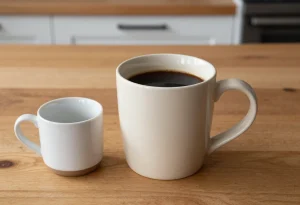
One of the most frequent surprises for first-time buyers is the definition of a “cup” in the percolator market. Manufacturers almost universally rate percolators by 5-to-6-ounce volumetric cups rather than standard 12-ounce mugs. This means a compact 4-cup electric percolator actually yields about two standard mugs of coffee. Purchasing a unit that is too large creates significant brewing issues because percolation requires the basket to be filled to a certain capacity; under-filling the basket results in a weak, poorly extracted brew because the water channels too quickly through insufficient coffee beds.
Material Construction: Stainless Steel Versus Aluminum
See also: 4 Best Coffee Beans for Iced Coffee (October 2026) Honest Reviews • Instant Espresso Brands Ranked
The material of your percolator dictates both durability and flavor neutrality. Budget-friendly models often utilize aluminum, which heats up exceptionally fast and keeps the appliance lightweight. However, aluminum is prone to pitting, scratching, and can occasionally impart a metallic tang if not properly anodized or cleaned. Food-grade stainless steel represents the gold standard for small electric models. It holds heat effectively, resists corrosion, maintains a neutral flavor profile, and usually features a polished mirror finish that looks great on any countertop.
Heating Elements and Cord Configuration
Electric percolators rely on internal heating elements embedded in the base rather than a stove burner. When evaluating models, check whether the power cord is permanently attached or utilizes a detachable magnetic or plug-in base. Detachable cords make serving at the dining table significantly easier and simplify cabinet storage. Additionally, pay attention to the wattage rating, which typically ranges from 400 to 800 watts for smaller units. A higher wattage means water reaches the cycling point faster, minimizing the time grounds sit in lukewarm water during the initial warm-up phase.
Basket Design and Grounds Management
The internal assembly—comprising the central stem, the percolator basket, and the spreader plate—governs how evenly water saturates your coffee. Look for stainless steel baskets featuring micro-perforations rather than stamped slots, as smaller holes prevent pesky coffee grounds from slipping down into the reservoir. Many coffee enthusiasts prefer using small, round paper disc filters inside the basket to catch ultra-fine sediment, yielding a cleaner cup that bridges the gap between classic percolator strength and modern drip clarity.
Evaluating Keep-Warm Modes and Safety Cutoffs
Once the brewing cycle concludes—typically lasting between five to eight minutes—the machine should automatically transition into a low-wattage keep-warm mode. This feature maintains serving temperature without scorching the remaining coffee or rendering it overly bitter. Furthermore, boil-dry protection is an indispensable safety mechanism. If the reservoir runs completely dry due to operator error or evaporation, an internal thermal fuse cuts power to the heating element, preventing catastrophic electrical failure or melted internal components.
Avoiding Common Purchasing Pitfalls
A frequent error is assuming all small electric percolators are dual-voltage travel friendly; most are wired specifically for standard domestic outlets and will trip converters or blow fuses overseas. Another mistake is expecting a light, floral, tea-like clarity akin to pour-over methods. Percolators extract heavy oils and insoluble solids, creating a full-bodied, punchy cup. Knowing this flavor profile ahead of time ensures you select the right grind size—typically a medium-coarse grind—to match the machine’s extraction dynamics.
When to Invest in Premium Features
Entry-level electric percolators get the job done, but upgrading to a mid-tier or premium model brings tangible benefits. Higher-end appliances feature heavier-gauge steel, reinforced base welds, more precise thermostats that prevent over-boiling, and extended manufacturer warranties. If you plan to use your percolator multiple times a day or take it on regular weekend trips, investing an extra modest sum avoids the premature burnout typical of ultra-budget thermal switches.
Related Guides
If you want to compare specific models currently available, check out our comprehensive overview of top-tested units, or browse through expert-reviewed percolators to find a machine that fits your daily routine in 2026.
FAQ
How do I prevent my percolator coffee from tasting bitter?
Bitterness usually stems from over-extraction caused by using too fine of a grind or letting the brew cycle run too long. Switch to a medium-coarse grind size and remove the internal basket as soon as the brewing cycle completes to keep the flavor smooth.
Can I use a small electric percolator to heat water for tea?
While technically possible, it is generally discouraged unless the unit is brand new and thoroughly cleaned. Coffee oils saturate the metal and internal parts over time, which will impart an unwanted savory flavor into delicate teas.
How often should I deep clean my electric percolator?
You should perform a standard wash with warm, soapy water after every use to remove coffee oils. Every month, run a cycle with a specialized coffee machine descaler or a vinegar-water solution to clear mineral scale from the heating element.
Why does water spit out of the top knob during brewing?
Spitting and sputtering usually indicate that the heat level is too high or the unit is overloaded with too much water. Ensure you are filling the reservoir strictly below the maximum fill line and check that the spreader plate is seated correctly on the stem.