Last updated: October 4, 2026
Setting up a home coffee bar that rivals your favorite neighborhood specialty café requires more than just a capable espresso machine. When you are serious about workflow efficiency and extraction consistency, investing in a dedicated espresso grinder with dosing capabilities transforms your morning routine from a messy, unpredictable chore into a streamlined, repeatable ritual. Dosing grinders—whether they rely on precise timed electronic dispensing or traditional mechanical hopper dosers—help eliminate daily guesswork by delivering measured grounds directly into your portafilter with minimal fuss.
However, navigating the modern market of specialty coffee equipment can feel overwhelming, especially as rapid technological improvements continue to redefine what home baristas can achieve. Choosing the right setup means looking past clever marketing hype and understanding how burr geometry, retention rates, and daily workflow preferences actually impact your cup in 2026. This comprehensive decision guide cuts through the noise to help you evaluate what matters most, avoid costly buying mistakes, and select a dosing grinder that seamlessly matches your lifestyle and brewing volume.
As an Amazon Associate we earn from qualifying purchases at no extra cost to you.

- Understand the Two Main Types of Dosing
- Burr Size and Material: The Flavor Engine
- Managing Retention and Grind Consistency
- Countertop Space and Hopper Capacity
- Evaluating Motor Power and Duty Cycle
- Common Sizing and Compatibility Mistakes to Avoid
- Knowing When to Invest in Commercial-Grade Features
- Related Guides
- FAQ
- Related Guides
Understand the Two Main Types of Dosing
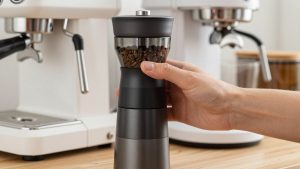
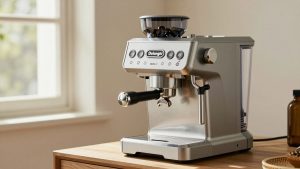
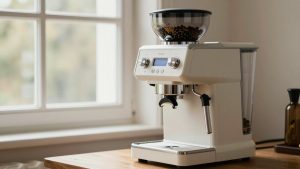
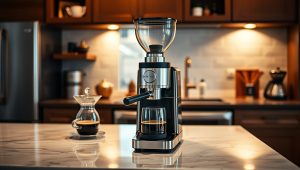
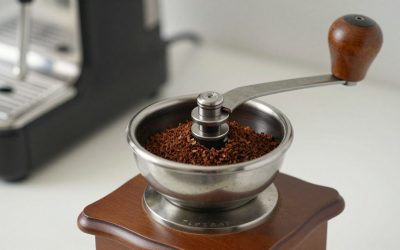
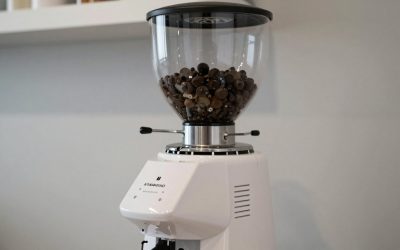
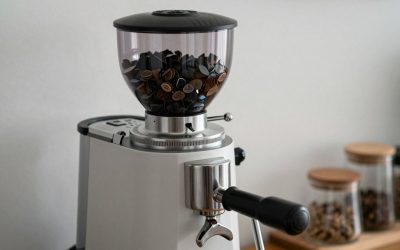
Before diving into motor specs and burr sizes, you need to understand the fundamental mechanics of how dosing works in a home environment. Electronic timed dosing uses an internal microchip to control the run time of the motor down to the tenth of a second, letting you dial in exact doses repeatedly. This style is exceptionally popular for home users because it supports a clean, on-demand workflow where beans are ground straight into the basket right before extraction. On the other hand, mechanical dosers feature a hopper with a partitioned chamber wheel that drops a fixed volume of grounds into a hand-pulled dosing lever. While mechanical dosers take up more counter space and can trap small amounts of stale coffee in the chambers, they offer a nostalgic, highly tactile workflow that heavy users often appreciate.
Burr Size and Material: The Flavor Engine
See also: Best Spice Grinders: Ten Electric Models Compared by Capacity, Bowl Design and Cleanup • 4 Best Flat Burr Coffee Grinders for Consistent Grounds (October 2026) Buying Guide
The burrs are the heart of any espresso grinder, dictating clarity, flavor separation, and body. When evaluating home dosing grinders, you will encounter conical and flat burrs in various diameters. Conical burrs generally produce a broader particle size distribution, which often translates to a more forgiving extraction, a heavier body, and traditional flavor profiles with rich chocolate and nut notes. Flat burrs tend to offer higher clarity and distinct separation of delicate fruit and floral notes, though they demand more precise dialing-in. Furthermore, look at burr material: hardened steel is standard and cost-effective, while titanium-coated or specialty alloy burrs offer extended longevity if you pull multiple double shots every single day.
Managing Retention and Grind Consistency
Grind retention—the amount of coffee trapped inside the grinding chamber and chute between uses—directly impacts your morning cup. High retention means your first shot of the day will likely consist of stale coffee left over from yesterday afternoon, forcing you to purge beans to maintain freshness. Modern home dosing grinders increasingly feature low-retention architecture, angled chutes, and sweepers designed to push every last particle out. When choosing a model, investigate how easy the chamber is to access for cleaning and whether the grinder tends to clump. Consistent fluffiness without significant clump formation ensures even water distribution and prevents nasty channeling during your extraction.
Countertop Space and Hopper Capacity
Home coffee setups are constrained by real estate, making physical dimensions a critical factor in your purchasing decision. Traditional commercial-style dosing grinders feature massive bean hoppers that hold pounds of coffee, which is entirely unnecessary for a domestic setting and can cause beans to go stale sitting out in the open air. Look for compact short hoppers or single-dose adaptations that fit comfortably underneath standard kitchen upper cabinets. Additionally, evaluate the overall footprint of the unit; a heavy, stable base is great for reducing vibration and noise, but it must still leave you enough workspace to tamp, prep pucks, and operate your espresso machine comfortably.
Evaluating Motor Power and Duty Cycle
Motor specifications for home espresso grinders can be misleading if you only look at wattage numbers. A higher wattage does not automatically mean a better or faster grind; rather, it indicates electrical draw. Instead, pay attention to the gearbox reduction and motor torque. Low-RPM (revolutions per minute) motors are generally preferred for espresso because they generate less friction heat, protecting delicate coffee aromatics from baking during the grinding process. Consider your household’s daily duty cycle as well. If you are entertaining guests or pulling six to eight consecutive shots every morning, you need a heavy-duty induction motor that will not overheat or bog down under a demanding workload.
Common Sizing and Compatibility Mistakes to Avoid
One of the most frequent mistakes home baristas make is purchasing a grinder that fails to integrate properly with their existing hardware. Check the portafilter fork design carefully; some grinders offer hands-free grinding where you simply rest your portafilter against a switch, while others require you to hold the handle manually the entire time. Ensure the fork height and opening width accommodate your specific portafilter size, whether you use standard commercial 58mm handles or smaller residential diameters. Buying a premium machine only to find your favorite bottomless portafilter does not fit securely under the dosing chute leads to immense daily frustration and messy counters.
Knowing When to Invest in Commercial-Grade Features
It is easy to get seduced by shiny commercial features, but you must weigh their practical value against your actual daily routine. Commercial-grade components—such as massive steel burrs, ultra-heavy castings, and continuous duty motors—come with a steep price tag and increased energy consumption. You should consider investing in these higher-tier models if you brew for multiple coffee drinkers multiple times a day, prefer light-roast specialty beans that require massive torque to crush, or simply value lifetime durability over budget flexibility. For standard medium-roast daily double shots, a well-engineered mid-range consumer grinder will deliver identical cup quality without breaking the bank.
Related Guides
If you are ready to compare specific models currently on the market, be sure to read through our comprehensive overview of top-performing dosing grinders to see how our top picks stack up against each other.
FAQ
How often do espresso grinder burrs need to be replaced?
Burr lifespan depends heavily on the hardness of the steel and your daily volume, but most home users can expect standard steel burrs to last for several years. If you notice a sharp increase in fines, uneven extractions, or find yourself grinding significantly finer to achieve the same flow rate, it is likely time for a replacement set.
Is manual single dosing better than electronic timed dosing?
Neither method is objectively better; it comes down entirely to your preferred morning workflow. Timed dosing offers ultimate speed and convenience by automating the process, while single dosing lets you weigh individual doses on a scale for zero retention and effortless bean swapping throughout the week.
Why are my coffee grounds clumping together in the portafilter?
Clumping is a normal byproduct of fine espresso grinding caused by static electricity and oil content in the beans, especially with darker roasts or humid weather. Choosing a grinder with anti-static technology or incorporating a small distribution tool can easily resolve this issue before you tamp.
Can I use an espresso dosing grinder for pour-over coffee?
While some dual-purpose grinders handle multiple brew methods adequately, most dedicated espresso grinders struggle to produce a uniform coarse grind. Coarser settings on espresso-specific burrs often generate excessive boulders and fines, which will muddy up immersion and drip brews.