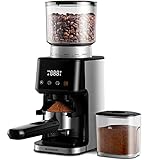
- Top Pick: KIDISLE Conical Burr Coffee Grinder Electric, Espresso Grinder for Home Use, Burr Mill with 51 Grind Settings, Precision Electronic Timer, Stainless Steel Container
- Best Value: MOKKOM 64mm Flat Burr Coffee Grinder, Espresso Grinder,100 Grind Settings
- Premium Choice: SHARDOR 64mm Flat Burr Coffee Grinder, 100 Settings, Anti-Static, Black
Last updated: October 20, 2026
As an Amazon Associate we earn from qualifying purchases at no extra cost to you.




Disclosure: As an Amazon Associate we earn from qualifying purchases. This page contains affiliate links and we may earn a commission at no extra cost to you.
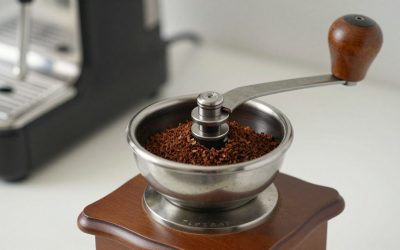
Ask three baristas whether flat or conical burrs make better coffee and you will get four opinions and at least one heated speech. Strip away the tribalism, though, and the flat versus conical question is really about geometry: how two different burr shapes break coffee apart, what particle shapes they produce, and how those particles behave when water rushes through them. Once you understand that chain, choosing between the two stops being a matter of faith and becomes a matter of taste.
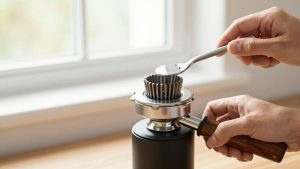
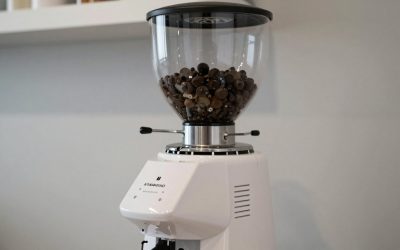
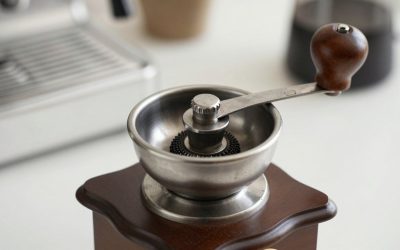
Here is the short version. Conical burrs use a cone-shaped center burr spinning inside a ring, pulling beans downward through a narrowing gap. Flat burrs use two parallel rings facing each other, flinging coffee outward through a uniform gap at the rim. Conical sets typically spin slower, run quieter, and produce a slightly wider particle spread that many tasters describe as fuller-bodied and more rustic. Flat sets tend to produce a tighter, more uniform grind associated with clarity, sweetness, and crisp separation of flavors.
In this guide we explain how each geometry behaves in real brewing, when one genuinely outperforms the other, and which current grinders make the strongest case for each camp, from a budget flat burr machine to the formidable Baratza Vario+. If you want the broader market view across every format, our main espresso grinder roundup is the natural companion to this piece.
🛒 Best Price Today on Amazon
Prime members get fast, free shipping on everything above, plus member-only deals. New members get a 30-day free trial — cancel anytime.
Quick Comparison
| Product | Price | Rating |
|---|---|---|
| Flat Burr Electric Grinder (Home) | $59.99 | 4.9/5 |
| Baratza Vario+ Flat Ceramic Burr | $529.95 | 4.7/5 |
| SHARDOR 64mm Burr Grinder | $249.98 | 4.7/5 |
| Tuni G3 64mm Flat Burr | $199.00 | 4.6/5 |
| MOKKOM 64mm Flat Burr | $189.99 | 4.5/5 |
| SHARDOR 64mm Pro (100 settings) | $169.99 | 4.5/5 |
Why Trust This Guide
See also: Best Spice Grinders: Ten Electric Models Compared by Capacity, Bowl Design and Cleanup • 4 Best Flat Burr Coffee Grinders for Consistent Grounds (October 2026) Buying Guide
We base our analysis on grinder design fundamentals, manufacturer-published specifications, and widely accepted extraction science rather than brand loyalty. We never invent numbers, we flag tradeoffs honestly, and our recommendations follow from how a machine is built, not how loudly it is marketed.
Flat Burr Electric Grinder (Home)
This is the cheapest ticket into flat burr territory, and that alone makes it interesting. At $59.99 it lets a curious home brewer experience the flat-burr signature, that cleaner and more separated cup, without committing serious money. The adjustment range is tuned for everyday methods like drip and pour-over rather than hardcore espresso work.
The honest tradeoff is that budget flat burrs cannot match the alignment precision of machines costing three to eight times more, and alignment is where flat geometry earns its reputation. Think of it as a well-priced introduction to the style rather than its final word. For a newcomer choosing a first real grinder, our guide to entry-level burr grinders for espresso places this class of machine in fuller context.
Baratza Vario+ Flat Ceramic Burr
The Vario+ is the reference machine in this lineup. Baratza paired ceramic flat burrs with a genuinely useful macro and micro adjustment system, and ceramic brings two quiet advantages: it holds its edge longer than steel and conducts less heat into the coffee during longer grinding sessions. This is the grinder for the brewer who switches between espresso and filter and refuses to compromise on either.
At $529.95 it costs more than every other machine here combined with change left over, and that is the entire argument against it. But Baratza’s reputation for user-serviceable parts and long product life means the cost amortizes over many years. If you are deciding between this and stepping up your espresso machine instead, our espresso machine buying guide will help you sequence the upgrades sensibly; experienced baristas almost always say the grinder comes first.
SHARDOR 64mm Burr Grinder
SHARDOR’s 64mm machine borrows a page from commercial design: 64 millimeters is a classic café burr diameter, and larger burrs grind faster with less heat per gram because each bean passes through fewer rotations. Positioned at $249.98, it targets the serious home user who wants commercial-style throughput and a stable, repeatable grind for daily espresso.
The flat 64mm format rewards careful dialing-in, and small setting changes produce noticeable shot differences, which is exactly what an espresso enthusiast wants and a casual drip brewer may find fussy. Pair it with a calibration routine, like the one we describe in our burr calibration tool review, and you will get the consistency this size of burr promises.
Tuni G3 64mm Flat Burr
The Tuni G3 makes a commercial-grade pitch at a sub-$200 price: 64mm flat burrs and a claimed 100 grind settings, giving you very fine steps between adjacent positions. Fine-grained adjustment matters most at espresso fineness, where the difference between a gusher and a choked shot can be a single notch, so the G3’s resolution is a real feature rather than a spec-sheet flex.
The tradeoff against the dearer SHARDOR 64mm is largely in refinement and accessories rather than core capability. For a home barista pulling a few shots a day who wants flat-burr clarity and room to grow, the G3 is one of the strongest value propositions in the flat camp right now.
MOKKOM 64mm Flat Burr
MOKKOM’s entry doubles down on construction, with an all-metal, stainless-forward build wrapped around the same proven 64mm flat format and 100-step adjustment. Metal body panels are not vanity: they add mass that damps vibration, keeps the burr chamber rigid, and helps alignment stay true over years of daily use.
Who should buy it? The brewer who keeps gear for a decade and values structural honesty over touchscreen glitter. The flat-burr personality is fully present here, with a clean, articulate cup and brisk grinding speed. As with any flat grinder, expect a little more retention than a conical, and consider the single-dosing habits from our zero-retention grinder review if freshness is your obsession.
SHARDOR 64mm Pro (100 settings)
SHARDOR’s second appearance in this guide undercuts its sibling at $169.99 while keeping the headline ingredients: 64mm burrs, 100 grind settings, and an all-metal grinding chamber. It is the pragmatic pick, the machine for someone who has read this far, wants genuine flat-burr performance for espresso and filter alike, and refuses to pay for badges.
The compromises are at the margins: less brand pedigree than Baratza and fewer boutique touches than pricier rivals. None of that shows up in the cup. If your kitchen workflow involves a hopper full of beans rather than weighed single doses, check our hopper accessories guide to keep beans fresh while they wait their turn.
What to Look For in a Burr Grinder
Whichever geometry you lean toward, the same handful of design factors separates a grinder that delights from one that frustrates.
- Burr geometry — Flat burrs favor uniformity and flavor clarity; conical burrs favor body, texture, and quieter low-speed operation. Neither is objectively superior; they are different instruments.
- Burr diameter — Larger burrs (like the 64mm sets here) grind faster and run cooler per dose, preserving volatile aromatics that heat would otherwise blunt.
- Adjustment resolution — Espresso lives or dies in tiny grind changes. A hundred fine steps, or true stepless control, beats twenty coarse ones every time.
- Burr material — Hardened steel cuts briskly and is easy to source; ceramic stays sharp longer and transfers less heat. Both outlast casual use by years.
- Retention and workflow — Grounds trapped inside the machine go stale and contaminate the next dose. Low-retention designs and single-dose habits keep every shot fresh.
- Alignment and build rigidity — A rigid, well-aligned burr chamber is what turns theoretical uniformity into actual uniformity. Mass and metal are good signs.
Tips for Getting the Most Out of Your Burr Grinder
First, let your palate arbitrate the debate. Brew the same bean on a flat and a conical grinder side by side, keeping dose, ratio, and water identical, and taste blind if you can. Most people find they have a genuine preference within three cups: flat-burr fans describe clarity and sweetness, conical fans describe depth and roundness. There is no wrong answer, only your answer, and knowing it will guide every future gear decision you make.
Second, respect the dial-in period. Any new burr set, flat or conical, has a settling-in phase as machining marks wear smooth, and your first days of shots will drift slightly. Change one variable at a time, log what you taste, and resist the urge to chase every shot with a new setting. Our grind size guide gives you sensible starting points for every brew method so the search starts near the target.
Third, clean on a schedule, not on a whim. Flat burrs in particular collect fines at the rim where coffee exits, and stale buildup mutes exactly the clarity you bought them for. A monthly deep clean and a weekly brush keep the geometry doing its job.
Frequently Asked Questions
Do flat burrs really taste different from conical burrs?
In careful side-by-side brewing, many tasters do perceive a difference: flat burrs are associated with a more uniform particle size that yields clarity and distinct flavor separation, while conical burrs produce a wider distribution often described as fuller-bodied. The gap narrows with quality; a well-aligned grinder of either type beats a poorly made grinder of the other every time.
Which is better for espresso, flat or conical?
Both geometries pull world-class espresso, and commercial cafés are split between them. Flat burrs are often favored for modern, brighter espresso styles that emphasize distinct flavors, while conical sets suit traditional, syrupy shots. Adjustment resolution, alignment, and your own dialing-in discipline matter more than the shape of the burrs.
Why do flat burr grinders usually cost more?
Flat geometry is less forgiving of manufacturing error: the two rings must sit parallel within very tight tolerances or the uniformity advantage evaporates. Achieving and holding that alignment requires more precise machining and a more rigid chassis, and that precision is what you are paying for at the higher end.
Do conical burr grinders run quieter?
Generally yes, because conical sets achieve their grind at lower rotational speeds, which produces a deeper, less piercing sound. Flat burr machines spin faster and pitch higher, though heavy metal housings, like those on the MOKKOM and SHARDOR models above, do a respectable job of damping it.