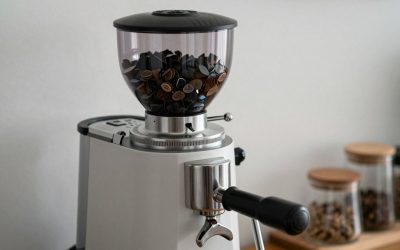
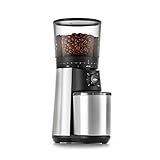
- Top Pick: OXO Brew Conical Burr Electric Coffee Bean Grinder – 12 Oz, Silver
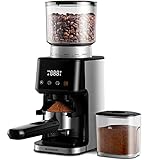
- Best Value: KIDISLE Conical Burr Coffee Grinder Electric, Espresso Grinder for Home Use, Burr Mill with 51 Grind Settings, Precision Electronic Timer, Stainless Steel Container
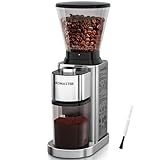
- Premium Choice: SHARDOR Conical Burr Espresso Coffee Grinder Electric with Precision Timer 2.0, Touchscreen Adjustable Burr Mill with 51 Precise Settings for Home Use, Anti-static, Stainless Steel
Last updated: October 21, 2026
Quick Comparison
| Product | Brand | Price | Rating |
|---|---|---|---|
| AMZCHEF Single Dose Coffee Grinder – 75 Settings Burr G… | AMZCHEF | $95.89 | 4.3/5 |
| Conical Burr Coffee Grinder with 40mm Stainless Steel B… | Cusinice | $79.99 | 4.4/5 |
| CASABREWS Tornado Electric Conical Burr Coffee Grinder | CASABREWS | $139.99 | 4.4/5 |
Why Your Espresso Grinder Matters More Than Your Machine
See also: Best Spice Grinders: Ten Electric Models Compared by Capacity, Bowl Design and Cleanup • 4 Best Flat Burr Coffee Grinders for Consistent Grounds (October 2026) Buying Guide
In the espresso world, there's a saying: grind quality beats machine quality every time. An excellent espresso grinder produces consistent particle size distribution — the key to even extraction and a balanced, rich shot. Blade grinders and cheap burr grinders create uneven grounds that lead to sour or bitter espresso no matter how good your machine is. Investing in a quality espresso grinder is the single highest-leverage upgrade you can make to your home setup.
Baratza Sette 270 Espresso Grinder
The Baratza Sette 270 is the go-to espresso-dedicated grinder for serious home baristas. Its unique grinds-straight-to-portafilter design minimizes static and waste. The 270 macro/micro adjustment steps give you exceptional precision when dialing in a new bean. Forty-millimeter conical steel burrs grind fast — about 5 grams per second — without generating excess heat that could damage delicate aromatics. Baratza's excellent US-based customer service and modular design make this a long-term investment.
As an Amazon Associate we earn from qualifying purchases at no extra cost to you.

Eureka Mignon Specialita Espresso Grinder
The Eureka Mignon Specialita is the favorite espresso grinder of specialty coffee shops and home enthusiasts across Europe and beyond. Its 55mm flat chrome burrs produce an exceptionally uniform grind with a bimodal distribution that many baristas find ideal for espresso. The silent technology keeps noise to a whisper, and the stepless micrometric adjustment ring allows infinite fine-tuning between settings. The touchscreen display and programmable single/double dose buttons add genuine daily convenience.
Niche Zero Espresso Grinder
The Niche Zero is one of the most talked-about espresso grinders in the enthusiast community. Its single-dose hopper design eliminates the stale bean problem of traditional hoppers — you grind only what you need, fresh every time. The 63mm conical burrs produce almost no retention, meaning nearly every gram you put in ends up in your cup. It handles both espresso and filter coffee well, making it a versatile choice for households that brew multiple methods.
Espresso Grinder Buying Guide
- Burr type: Flat burrs generally produce a more uniform grind; conical burrs tend to have less retention and run quieter.
- Burr diameter: Larger burrs (50mm+) grind cooler and faster. Size matters for heat management.
- Stepless vs. stepped adjustment: Stepless lets you make micro-adjustments; stepped settings offer easier repeatability.
- Retention: Low-retention grinders waste less coffee — important if you dose by weight.
- RPM: Slower-spinning burrs (under 600 RPM) generate less heat and preserve aromatics better.
- Single-dose vs. hopper: Single-dose keeps beans fresher; hoppers suit high-volume households.
What to Look for in an Espresso Grinder
The single most important quality in an espresso grinder is consistent, fine grinding with precise adjustment. Espresso forces pressurized water through very fine grounds in seconds, so an even particle size is what allows balanced extraction; uneven grinds let water over-extract the fines into bitterness while under-extracting the larger pieces into sourness. Burr grinders, whether conical or flat, achieve this by crushing beans to a set gap, unlike blade grinders that chop unevenly and cannot produce espresso-grade powder. Crucially, the grinder must adjust finely at the espresso end of its range, because espresso lives in a narrow band where tiny changes in grind size meaningfully shift the shot, so stepless or fine-stepped adjustment beats coarse, jumpy increments.
Beyond grind quality, weigh build and workflow features. Burr material and size affect both speed and how long the grinder holds its edge, while a quality motor that does not overheat protects the grounds from picking up cooked flavors. Consider how much coffee stays trapped inside between grinds, since low retention means fresher, more accurate dosing. Single-dosing models let you weigh in exactly the beans you need, which suits home users chasing precision, while hopper-fed grinders favor convenience and volume. Match the grinder to your machine and habits, but never compromise on the core requirement: it must grind fine enough and consistently enough for espresso.
Getting the Best From Your Espresso Grinder
Dialing in is the skill that unlocks a grinder’s potential. Change only one variable at a time, usually grind size, and judge the result by shot time and taste: a shot pulling too fast and tasting sour generally needs a finer grind, while a slow, bitter, choked shot needs a coarser one. Weigh your dose and your output so you can compare shots fairly, since changing dose and grind together makes it impossible to know what helped. Fresh beans matter too, because coffee degasses and changes over the first weeks after roasting, meaning you may need to adjust grind as a bag ages.
Keep the grinder clean to maintain that consistency. Coffee oils and fines build up on burrs and in the chute, turning rancid and dulling flavor, so brush out the burr chamber regularly and run grain-based cleaning tablets through periodically for a deeper clean. Avoid grinding anything but roasted coffee, keep water away from the burrs, and recalibrate the grind setting if you disassemble the burrs for cleaning. Burrs eventually wear after many pounds of coffee, and flat-tasting shots despite correct dialing can signal it is time to replace them. A clean, well-maintained grinder is what makes great espresso repeatable.
Frequently Asked Questions
Why is a grinder so important for espresso?
Espresso is unforgiving of uneven grinds because water is forced through fine coffee under pressure in seconds. A consistent, finely adjustable grinder is often more important than the espresso machine itself for shot quality, since it determines extraction evenness.
Are conical or flat burrs better for espresso?
Both can produce excellent espresso. Flat burrs are often associated with clarity and uniformity, while conical burrs are praised for body and are common in home grinders. Build quality and adjustment precision matter more than burr shape alone.
Can I use a regular coffee grinder for espresso?
Only if it can grind fine enough with precise adjustment. Many drip-focused grinders cannot reach espresso fineness or jump too coarsely between settings to dial in a shot, so a grinder rated for espresso is recommended.
How often should I clean an espresso grinder?
Brush out the burr chamber and chute every week or two for typical home use, and run a deeper cleaning with grain-based tablets periodically. Higher-volume use calls for more frequent cleaning to prevent rancid oil buildup.
When do grinder burrs need replacing?
Burrs wear gradually over many pounds of coffee. If shots taste flat or muddy despite correct dialing and a clean grinder, worn burrs are a likely cause and replacement can restore consistency.
Final Thoughts
Any of these three grinders will transform your espresso quality overnight. The Baratza Sette 270 is the best all-around pick for dedicated espresso drinkers. The Eureka Mignon Specialita wins on silence and stepless precision. The Niche Zero is the top choice for single-dose freshness fanatics. All three pair beautifully with mid-range to high-end espresso machines.