- Top Pick: Cuisinart Chef’s Classic 11-Piece Stainless Steel Pots and Pans Set, Cookware Set Compatible with Induction, Electric, Gas Cooktops, Aluminum Core for Even Heat, Cool Grip Handles, Dishwasher Safe
- Best Value: Weiman Stainless Steel Cleaner & Polisher, 30 Ct Wipes, Kitchen Appliance
- Premium Choice: Primula Classic Stovetop Espresso and Coffee Maker, Moka Pot for Italian and Cuban Café Brewing, Greca Coffee Maker, Cafeteras, 6 Espresso Cups, Silver
Last updated: September 18, 2026
Choosing between a stainless steel vs aluminum moka pot is less about which material makes “better” coffee and more about how the brewer fits your kitchen. Both can produce strong, concentrated coffee without electricity, pods, or a countertop machine. The practical differences appear in compatibility, weight, upkeep, appearance, price, and how much abuse the pot can handle.
Aluminum moka pots are usually lighter and less expensive, while stainless steel models tend to feel sturdier and work on more cooktops. A typical six-cup moka pot makes roughly 9 to 12 fluid ounces of brewed coffee—not six American mugs—so capacity matters just as much as construction. Here is how to choose the better match for your home in 2026.
As an Amazon Associate we earn from qualifying purchases at no extra cost to you. Product prices and availability are accurate as of the date shown and are subject to change.


Quick Verdict
Choose stainless steel if you have an induction cooktop, want a pot that can move between gas, electric, and induction surfaces, or prefer a heavier, more polished appliance that may last for many years. Stainless steel is also the safer choice for households that want a moka pot with a more substantial feel and fewer concerns about surface oxidation or dents.
Choose aluminum if you want the lowest purchase price, a lightweight brewer, or the classic Italian-style moka pot experience on a gas or standard electric burner. Aluminum heats quickly and is common in traditional designs, but it generally cannot be used on induction and needs more careful cleaning.
Side by Side
See also: How to Season a New Coffee Grinder (2026): Step-by-Step • How to Clean a Moka Pot Safely (2026): Step-by-Step
| Factor | Stainless Steel | Aluminum |
|---|---|---|
| Comfort | Heavier, often about 1.5–2.5 lb for a 6-cup pot; stable while pouring | Lighter, often about 0.75–1.5 lb; easier to lift and store |
| Durability | Resists dents and usually tolerates frequent use well | Can dent or scratch more easily, especially around the threads |
| Price range | About $25–$90, with premium designs costing more | About $13–$45 for most everyday models |
| Maintenance | Rinse and dry; some models are dishwasher safe, but hand-washing is gentler | Hand-wash only in most cases; dry thoroughly to protect the metal |
| Space needed | Usually 5–8 inches tall and 3.5–5 inches wide for a 6-cup model | Similar footprint, but lower weight makes cabinet storage easier |
| Look | Bright, polished, or brushed finish with a modern appearance | Classic matte silver finish associated with traditional moka pots |
| Resale | Generally holds appeal longer, especially from recognizable brands | Usually inexpensive to replace rather than resell |
| Cooktop compatibility | Works on gas and electric; induction-compatible only when specifically designed for it | Works on gas and electric; not compatible with induction |
| Best for | Induction kitchens, frequent brewing, and long-term ownership | Budget buyers, traditional kitchens, and occasional brewing |
Where Stainless Steel Wins
Induction compatibility is the biggest advantage. A standard aluminum moka pot will not activate an induction burner because aluminum is not magnetic. Some stainless steel models are also incompatible, so check for an induction-rated base or a manufacturer statement before buying. A stainless steel pot designed for induction may have a thicker magnetic disk on the bottom, which can add weight and slightly increase the price.
Stainless steel is also a strong choice for kitchens where the moka pot will be used several times a week. It is less likely to show a permanent dent after being knocked against a sink or crowded cabinet. The exterior may develop water spots or fingerprints, but those are cosmetic rather than structural. A soft cloth and occasional stainless steel cleaner can restore the finish; for example, a 30-count package of Weiman Stainless Steel Cleaner & Polisher wipes costs about $4.99 and is sized for broader kitchen-appliance upkeep as well.
Many stainless steel moka pots have a more substantial handle and base. That extra heft can make the brewer feel balanced while pouring, especially when the upper chamber is full. The tradeoff is that a 6-cup stainless model may weigh close to twice as much as an aluminum version, and a larger 9- or 12-cup pot can feel cumbersome when filled.
Stainless steel may also be preferable for buyers who dislike the idea of coffee oils or mineral residue changing the appearance of the metal. It is not maintenance-free: the filter, gasket, and safety valve still need attention, and abrasive scrubbers can damage polished surfaces. But the material is generally forgiving when rinsed promptly and dried after each use.
Where Aluminum Moka Pot Wins
Aluminum remains the practical value leader. The Imusa USA Aluminum Stovetop 6-cup Espresso Maker, for instance, is listed at $12.99, while an aluminum six-cup pot commonly falls in the $13–$45 range. That lower entry price makes aluminum useful for a first moka pot, a vacation kitchen, or a backup brewer.
It is also notably light. A lightweight pot is convenient if you pour with one hand, have limited upper-body strength, or store cookware on a high shelf. Aluminum heats quickly on a gas or conventional electric burner, although the exact brewing time depends on burner output, water temperature, coffee dose, grind, and the pot’s design. There is no universal wattage rating for a stovetop moka pot; the heat comes from the burner rather than the brewer itself.
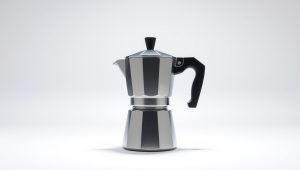
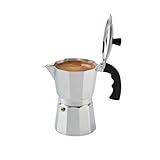
Traditional aluminum models often have the familiar octagonal shape and a straightforward black or heat-resistant handle. They can feel less precious than polished stainless steel, which is helpful in a busy kitchen. However, aluminum is softer. Threads can become rough if the top and base are cross-threaded, and the body can dent if dropped.
Cleaning requires restraint. Let the pot cool, separate the chambers, remove the used grounds, and rinse each piece with warm water. Avoid harsh detergents unless the manufacturer specifically allows them, and never store the pot while damp. A gray or dull interior is not automatically a safety problem, but deep pitting, a damaged gasket, a loose handle, or a malfunctioning safety valve is a reason to replace parts or the entire brewer.
For a traditional, non-induction kitchen, aluminum offers the essential moka pot function for less money and with less weight. The Primula Classic Stovetop Espresso and Coffee Maker, a silver moka-style brewer available in a six-cup configuration, is another example of the budget-oriented category and is listed at $19.99.
Cost Over 5 Years
Purchase price is only part of the cost. A typical aluminum moka pot costs $13–$45, while stainless steel models commonly cost $25–$90. Both require occasional replacement gaskets and filters, often costing approximately $5–$15 per replacement set, depending on brand and size. A gasket may last one to several years, but heat, frequent use, and improper cleaning can shorten its life.
Assume one replacement gasket or filter set during five years. An aluminum pot might cost $13–$45 initially plus $5–$15 in parts, for an estimated five-year total of $18–$60. A stainless steel model might cost $25–$90 initially plus the same $5–$15 in parts, for an estimated total of $30–$105. These figures exclude coffee, water, and the cost of a compatible induction burner or cookware.
That difference is meaningful if you are buying on a tight budget. It becomes less important if replacing an aluminum pot after a dent, lost component, or cooktop change would force you to buy again. For context, a broader cookware purchase such as the Cuisinart Chef’s Classic 11-Piece Stainless Steel set costs $172.43 and includes an aluminum core for heat distribution, but a moka pot remains a much smaller investment even when you choose stainless steel.
Which One for Your Home
Small apartment
Pick aluminum if your apartment has a gas or standard electric cooktop and you want the lightest, most affordable option. A 3-cup pot is approximately 5–6 inches tall and can make about 4.5–6 fluid ounces, while a 6-cup model is typically around 9–12 fluid ounces. Choose the smaller size if counter and cabinet space are tight, but remember that moka pots should be filled to their intended capacity rather than used as adjustable-volume brewers.
Family with kids or pets
Stainless steel is usually the better long-term choice because its extra weight and sturdier construction can be reassuring in a busy kitchen. Keep either material on a rear burner, turn the handle inward, and never leave the pot unattended. The handle and knob are designed to reduce heat transfer, not to make the brewer safe to touch immediately after brewing.
Rental
Base the decision on the cooktop rather than the lease. For gas or electric, an aluminum model at roughly $13–$25 keeps the replacement cost low if the pot is lost during a move. For induction, buy a clearly induction-compatible stainless steel model. Do not assume that every silver-colored moka pot is suitable; appearance does not indicate magnetic compatibility.
Long-term home
Choose stainless steel if you expect to keep the same brewer for years, may upgrade to induction, or want a finish that coordinates with other appliances. Choose aluminum if you value the classic design and do not mind hand-washing and careful drying. In either case, prioritize a replaceable gasket, a secure handle, a readable capacity, and a safety valve that is easy to inspect.
FAQ
Does stainless steel make better coffee than aluminum?
Not automatically. Coffee quality depends more on fresh beans, an appropriate grind, the coffee-to-water ratio, heat control, and stopping the brew when the upper chamber fills. Material affects heating behavior and compatibility, but it does not guarantee better flavor.
Can an aluminum moka pot be used on induction?
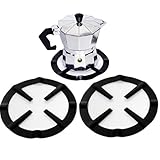
Usually no. Aluminum is not magnetic, so a conventional aluminum moka pot will not work directly on an induction burner. An induction adapter plate may allow it to heat, but that adds another object, can slow the process, and may not be recommended by the pot’s manufacturer.
Are moka pots dishwasher safe?
Check the instructions. Some stainless steel models are labeled dishwasher safe, but hand-washing generally protects the finish, gasket, and valve. Aluminum moka pots are typically best washed by hand with warm water, then separated and dried completely before storage.
How long should a moka pot last?
With regular rinsing, careful threading, and periodic gasket replacement, either material can last for years. Replace a pot when the body is cracked or deeply pitted, the threads no longer seal, the handle is unsafe, or the safety valve does not function properly.
Ready to decide? Our #1 pick for 2026 is the Comfort.
Live price & availability on Amazon.