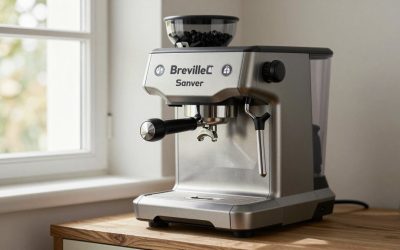
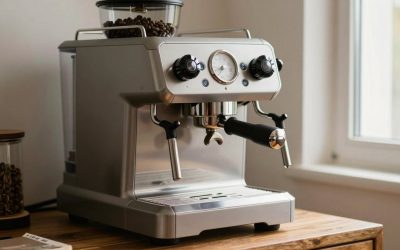
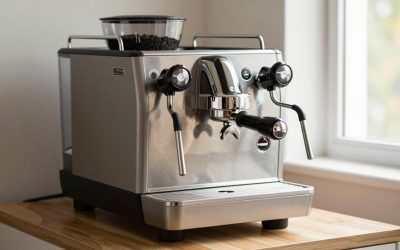
- Top Pick: Espresso Machine Accessories,4 PCS Espresso Kit,WDT Tool,Dosing Funnel,Coffee Brush,Puck Screen,Espresso Accessories Kit Barista Tools (Black, 53mm)
- Best Value: 4 PCS Espresso Tamper Kit with Wooden Tray – 51mm Coffee Distributor, Puck Screen & Spring Tamper for Delonghi Breville Commercial Machines
- Premium Choice: Mytdkxin 7 PCS Espresso Accessories,WDT Tool Espresso Machine Tamper Tools
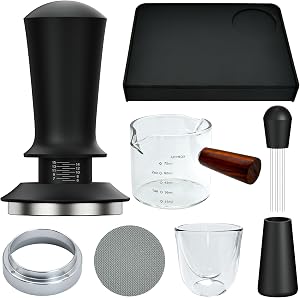
TL;DR: An espresso accessories kit bundles the essential tools — tamper, distribution tool, knock box, portafilter brush, and cleaning tablets — that separate consistent, cafe-quality shots from frustrating, variable results. If your espresso machine came with plastic accessories or nothing at all, upgrading to a proper kit is one of the highest-leverage investments you can make in your home setup.
Best Espresso Machine Accessories Kit: Everything You Need for Consistent Shots
Buying an espresso machine is the beginning of the setup, not the end. Most machines — even quality prosumer models — ship with minimal accessories, and the ones included are often plastic placeholders rather than functional tools. The difference between a home barista who pulls mediocre shots and one who consistently extracts excellent espresso often comes down to the accessories they’re using, not the machine itself.
As an Amazon Associate we earn from qualifying purchases at no extra cost to you.


An espresso accessories kit addresses that gap. Here’s what a complete kit should include, what each tool actually does for your shot quality, and what to look for when comparing options.
- Quick Comparison
- Top Espresso Accessories Kits
- The Tamper: Why Precision Matters More Than Pressure
- Distribution Tools: Solving the Puck Prep Problem
- Knock Box, Portafilter Brush, and Cleaning Tools
- Matching Accessories to Your Machine
- Espresso Accessories: What Each Tool Does
- Building Your Kit Over Time
- FAQ: Espresso Machine Accessories Kit
- About the Author
- Frequently Asked Questions
Quick Comparison
| Product | Brand | Price | Rating |
|---|---|---|---|
| Gaggia RI9380/49 Classic Evo Pro Espresso Machine | — | $499 | 4.4/5 |
| TIMEMORE Sculptor 078S Flat Burr Coffee Bean Grinder | TIMEMORE | $799 | 4.3/5 |
| Cocinare Gooseneck Electric Kettle | Cocinare | $79.99 | 4.4/5 |
Top Espresso Accessories Kits
See also: How to Descale an Espresso Machine: Citric Acid vs Vinegar • Best Electric Kettles: Ten Glass, Steel and Gooseneck Picks Compared





As an Amazon Associate we earn from qualifying purchases. Product prices and availability are accurate as of the date/time indicated.

TIMEMORE Sculptor 078S Flat Burr Coffee Bean Grinder, Electric Espresso Grinder with Stepless Coarseness Adjustment, Suitable for Espresso, Pour over, French Press, Cold Brew - Black


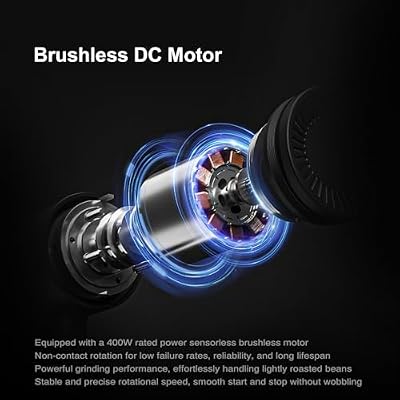



As an Amazon Associate we earn from qualifying purchases. Product prices and availability are accurate as of the date/time indicated.

Cocinare FLOW B9 Gooseneck Electric Kettle ±1°F Temperature Control | Pour Over Coffee & Tea, 0.9L Capacity, 1500W Fast Heating, 60-Minute Keep Warm, Brew Timer, Delacroix Green


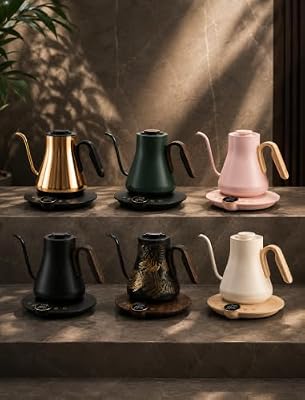
As an Amazon Associate we earn from qualifying purchases. Product prices and availability are accurate as of the date/time indicated.
The Tamper: Why Precision Matters More Than Pressure
The tamper is the most critical accessory in any espresso kit. Its job is to compress the coffee puck into a level, uniform surface so that pressurized water flows evenly through the grounds during extraction. An uneven tamp creates channeling — water finds the path of least resistance, cutting through softer areas of the puck and under-extracting most of the coffee while over-extracting the channel. The result is a sour, bitter, or thin shot regardless of grind quality or machine capability.
The most important spec is diameter fit. A tamper that’s too small leaves an untamped ring around the edge of the puck — a guaranteed channeling point. Most home espresso machines use 58mm portafilters (Breville, Gaggia, ECM, Rocket, La Marzocca Linea Mini) or 54mm (Breville Barista Express and related models). Measure or look up your portafilter basket diameter before buying any tamper.
Calibrated tampers — which apply a fixed pressure and click or release when reached — remove the pressure variable from the equation. 30 lbs (13–15 kg) of force is the standard target. For home use, a calibrated tamper eliminates one of the most common sources of shot-to-shot variability.
Distribution Tools: Solving the Puck Prep Problem
Tamping compresses coffee, but it doesn’t fix an uneven distribution of grounds in the basket before tamping. If the coffee is piled up on one side — which happens naturally when you dose from a grinder — tamping locks that unevenness in place rather than correcting it.
A distribution tool (also called a WDT tool or puck prep tool) addresses this before tamping. Needle-style WDT tools break up clumps and distribute grounds evenly across the basket before you tamp. Disk-style distribution tools sit on top of the basket and spin to level the grounds. Both approaches work; the key is using them consistently as part of a repeatable puck prep routine.
Many espresso accessories kits now include a combination distribution tool and tamper in one unit — the distribution head attaches to the top of the tamper handle. These are practical for compact home setups where counter space is limited.
Once your puck prep is dialed in, the next variable is grind consistency. If you’re using your espresso accessories kit with a quality machine and still getting inconsistent shots, the grinder is usually the culprit. See our broader overview of coffee shop equipment for home for how grinders fit into the full setup hierarchy.
Knock Box, Portafilter Brush, and Cleaning Tools
A knock box is a container with a rubber-padded bar across the top — you strike the portafilter against the bar to knock the spent puck cleanly into the box. Without one, you’re dumping pucks into the sink (which clogs drains with coffee silt over time) or using the bin (messy). A proper knock box makes workflow cleaner and faster between shots.
A portafilter brush — typically a small, stiff-bristle brush sized for the basket — clears residual grounds from the basket and portafilter before rinsing. Coffee grounds left in portafilter threads degrade quickly and contribute to bitter, rancid flavor in subsequent shots. A 30-second brush and rinse between shots is the difference between a clean extraction and one contaminated by yesterday’s coffee.
Cleaning tablets and backflush discs complete the kit. Group head cleaning — running a backflush cycle with cleaning tablets weekly or bi-weekly — removes the coffee oil buildup that accumulates in the group head, shower screen, and solenoid valve. This maintenance directly affects shot quality: a dirty group head produces bitter, off-tasting espresso even from perfectly prepared pucks. Most home machines with a 3-way solenoid valve support backflushing; consult your machine’s manual for the correct procedure.
Matching Accessories to Your Machine
Portafilter diameter is the primary compatibility factor for tampers and distribution tools. Beyond that, check whether your machine has a 3-way solenoid valve before purchasing backflush accessories — machines without a solenoid (some entry-level models) don’t support backflushing and the cleaning tablet cycle won’t function correctly on them.
Scale matters for espresso, and a quality accessories kit pairs naturally with a precision scale rated to 0.1g — the difference between a 17.9g and 18.1g dose is meaningfully different in the cup at espresso concentrations. If your kit doesn’t include a scale, add one. An espresso-specific scale with a timer function (to track shot time alongside dose weight) is ideal for dialing in a new coffee.
Serving your precisely pulled shots in the right vessels completes the ritual. A dedicated espresso cup and saucer set sized for 2–3 oz shots preserves temperature and crema significantly better than a large mug. For milk-based drinks, the right steam pitcher and thermometer keep your milk texture consistent — see our coffee thermometer and steam pitcher guide for recommendations.
Espresso Accessories: What Each Tool Does
| Accessory | Function | Impact on Shot | Priority |
|---|---|---|---|
| Calibrated tamper | Compresses puck to consistent pressure | Eliminates pressure variability | Essential |
| Distribution tool (WDT) | Levels grounds before tamping | Reduces channeling | Essential |
| Knock box | Receives spent puck cleanly | Workflow / hygiene | High |
| Portafilter brush | Clears grounds from basket and spouts | Prevents contamination | High |
| Cleaning tablets | Dissolves coffee oils in group head | Maintains clean extraction | High |
| Backflush disc | Enables backflush cycle | Cleans solenoid / group head | Medium (if solenoid equipped) |
| Precision scale | Measures dose and yield by weight | Shot-to-shot consistency | High |
| Puck screen | Sits atop puck, prevents shower screen fouling | Cleaner group head, even pre-infusion | Medium |
Building Your Kit Over Time
A bundled espresso accessories kit is the fastest way to get all the essentials at once, typically at better value than buying items individually. However, not all kits are equally well-specified. Evaluate a kit by its tamper quality first — a well-machined stainless tamper in the correct diameter is worth more than a large kit with a cheap plastic tamper. Everything else can be supplemented over time.
The upgrade progression most home baristas follow: start with a calibrated tamper and distribution tool, add a knock box and portafilter brush for cleaner workflow, then add a precision scale once you’re dialing in consistently. Cleaning tablets and a backflush disc should be in use from day one — machine maintenance isn’t optional equipment, it’s a prerequisite for consistent shot quality over months and years of use.
FAQ: Espresso Machine Accessories Kit
What accessories are most important for better espresso at home?
A calibrated tamper in the correct diameter for your portafilter and a distribution tool are the two accessories with the highest direct impact on shot quality. Together they address the two most common causes of channeling and inconsistency: uneven coffee distribution and variable tamp pressure. After those two, a precision scale (0.1g resolution) enables dose-by-weight dosing and yield tracking — the combination of dose weight, yield weight, and shot time is how experienced home baristas diagnose and correct extraction problems. Everything else (knock box, brush, cleaning tablets) improves workflow and machine longevity rather than changing the cup directly.
What size tamper do I need for my espresso machine?
Most prosumer home espresso machines use 58mm portafilter baskets — this includes machines from Gaggia, ECM, Rocket, Bezzera, La Marzocco, and the higher-end Breville models (Dual Boiler, Oracle). Breville’s Barista Express and Barista Pro use a 54mm basket. DeLonghi machines vary by model between 51mm and 58mm — check the spec sheet for your specific model. The tamper diameter should match the basket inner diameter precisely: a tamper that’s 0.5mm undersize leaves a visible gap and an untamped ring that causes channeling on every shot.
How often should I clean my espresso machine with cleaning tablets?
For daily home use (1–3 shots per day), a backflush cleaning cycle with tablets once per week is the general recommendation. Machines used more heavily — 5+ shots per day — benefit from twice-weekly cleaning cycles. The shower screen and group head gasket should be removed and soaked in cleaning solution monthly. The portafilter and basket should be soaked overnight in cleaning solution every 2–4 weeks. Signs that cleaning is overdue include bitter or rancid-tasting shots despite good puck prep, slow or uneven water flow from the group head, or visible dark buildup on the shower screen.
Do I need a distribution tool if I use a good tamper?
Yes. A tamper compresses whatever distribution exists in the basket — it doesn’t correct uneven distribution, it fixes it in place. If you dose directly from a grinder without any distribution step, the grounds will be unevenly piled (typically higher in the center or on one side depending on your grinder’s chute direction). Tamping that mound creates an uneven puck density that causes channeling regardless of how precise your tamp pressure is. A WDT needle tool or spin-style distributor takes 5–10 seconds to use and eliminates this variable. It’s one of the highest-leverage 5-second habits in home espresso.
Can I use any espresso accessories with my machine brand?
Most accessories are universal as long as the dimensions match your portafilter. Tampers, distribution tools, knock boxes, brushes, and scales are all brand-agnostic — buy by diameter and quality, not by brand logo. Cleaning tablets are similarly universal for machines with 3-way solenoid valves. The exception is portafilter baskets — replacement baskets (precision-machined aftermarket baskets from brands like VST or IMS) are sized to your specific portafilter diameter and depth, so you need to match them to your machine. Puck screens are typically sized at 58.5mm for 58mm portafilters — confirm compatibility with your specific basket depth before purchasing.
Frequently Asked Questions
What comes in a kit, and which pieces actually matter?
Typical kits include a tamper, a distribution tool, a WDT needle tool, a dosing funnel, a tamping mat, a cleaning brush and often a knock box and shot glasses. The tamper and the WDT tool do the most for shot quality; the rest are convenience items you would otherwise buy piecemeal.
What tamper size do I need?
Measure your basket rather than the portafilter. Most 58mm machines want a 58.4 or 58.5mm tamper for a proper seal, while Breville’s 54mm and DeLonghi’s 51mm systems need their own sizes. An undersized tamper leaves an uncompressed ring at the wall and invites channeling.
Do I need both a WDT tool and a distributor?
They do different jobs. The WDT needle tool breaks clumps through the entire depth of the bed, which is what prevents channeling, while a flat distributor only levels and polishes the surface. If you buy only one, buy the WDT tool; together they add a small but real improvement.
Is a knock box necessary?
Not strictly, but pucks knocked into a kitchen bin lead to grounds in the drain and a permanent mess on the counter. A knock box with a padded bar also protects the portafilter ears from repeated impact, which over time loosens the handle and cracks the spout.
Do the cleaning supplies in kits replace descaling?
No. Kits usually include a group brush and sometimes a blind basket for backflushing, which uses alkaline detergent to strip coffee oils from the group and three-way valve. Descaling is a separate job using an acid product to remove mineral scale from the boiler and water lines.