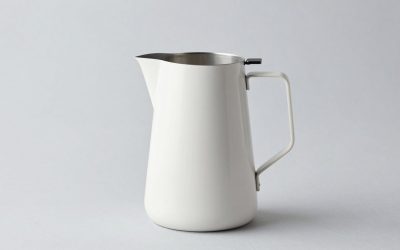
- Top Pick: Milk Frothing Pitcher, 8.5oz/12oz/20oz/32oz/50oz/66oz Milk Frother Cup Stainless Steel, Espresso Accessories, Milk Steaming Pitchers Coffee Cappuccino Latte Art Barista Milk Jug Cup with Art Pen,12oz
- Best Value: Milk Frothing Pitcher, 600ml (20oz) Milk Frother Cup Stainless Steel Jug Steaming Pitcher, Milk Coffee Cappuccino Latte Art Barista Steam Pitchers Milk Jug Cup with Decorating Pen
- Premium Choice: HOFASON Stainless Steel Milk Frothing Pitcher Cappuccino Pitcher Pouring Jug Espresso Cup Creamer Cup for Latte Art, 12 Ounce (350 ML)
Last updated: September 4, 2026
Quick Comparison
| Product | Brand | Price | Rating |
|---|---|---|---|
| CAMKYDE Stainless Steel Milk Frothing Pitcher 12 oz | CAMKYDE | $7.99 | 4.7/5 |
| CAMKYDE Milk Frothing Pitcher 20 oz | CAMKYDE | $13.88 | 4.7/5 |
| CAMKYDE Stainless Steel Milk Frothing Pitcher 32 oz | CAMKYDE | $15.88 | 4.7/5 |
Introduction
See also: 6 Best Knock Box Mats (October 2026) Reviews & Picks • 6 Best Profitec Accessories (October 2026) Complete Guide
The milk pitcher you steam and pour with has a direct impact on your latte art results. A well-designed spout gives you control over flow rate and direction, while the right volume ensures you texture the correct amount of milk for your drink size. It’s a small tool with a big influence on your pours.
What to Look For
- Spout Shape: A sharp, narrow spout offers precision for detailed latte art patterns; a wider, rounder spout is more forgiving for beginners learning to free-pour hearts and rosettas.
- Volume: A 12 oz (350 ml) pitcher is standard for a single cappuccino or latte; a 20 oz pitcher suits larger drinks or double orders. Avoid overfilling — leave room for milk expansion during steaming.
- Material and Gauge: Thicker stainless steel pitchers (18/8 or 18/10 food-grade) retain heat better and feel more durable. Thin pitchers heat up fast and make it harder to judge milk temperature by hand.
Top Picks
Rattleware Latte Art Pitcher (12 oz)
Rattleware’s 12 oz pitcher is a professional-grade pick popular with barista competitors and home enthusiasts alike. The rolled spout tip is precisely shaped for fine art control, and the 18/8 stainless steel construction is thick enough to feel the milk temperature through the walls.
As an Amazon Associate we earn from qualifying purchases at no extra cost to you.


Espro Toroid Milk Pitcher
The Espro Toroid features an innovative curved internal shape that promotes better milk circulation during steaming. This helps create consistently smooth, microfoam-quality milk without as much swirling technique required — ideal for home baristas still developing their steam wand control.
Motta Europa Milk Pitcher (Stainless, 35 cl)
Motta pitchers are an Italian barista staple used in cafes worldwide. The 35 cl Europa model has a classic straight spout that pours predictably, making it a great learning tool. The mirror-polished interior and rolled edge maintain milk hygiene and make cleaning easy.
What to Look for in a Milk Pitcher
A milk pitcher’s job is to help you steam and pour milk with control, and a few design details make all the difference for latte art. The spout shape is the most important: a sharp, well-defined pointed spout lets you direct a thin, precise stream of milk to draw fine patterns, while a rounder spout pours more broadly. Most latte artists favor a pitcher with a tapered, pointed spout for control over the pour.
Size and material also matter. Pitch your pitcher to your cup: a pitcher that is too large makes small drinks hard to control, while one that is too small risks overflowing as milk expands during steaming. As a rule, fill the pitcher only to about the base of the spout so the milk has room to grow. Stainless steel is the standard because it conducts heat well, letting you feel the milk’s temperature through the wall, and it is durable and easy to clean. A comfortable handle and a balanced feel round out a pitcher that makes steaming and pouring feel natural.
Steaming and Pouring for Latte Art
Great latte art begins with well-textured milk, not the pour. Start with cold milk filled to the base of the spout. Purge the steam wand, then position the tip just below the surface to introduce a little air at the start, this stretching phase adds volume and tiny bubbles. As the milk warms, submerge the tip slightly to create a smooth whirlpool that breaks large bubbles into fine, glossy microfoam. Stop heating when the pitcher is hot to the touch but not scalding; overheated milk loses sweetness and texture. Microfoam should look like wet paint, with no visible large bubbles.
Before pouring, swirl and gently tap the pitcher to polish the microfoam and fold any foam back into the milk. Pour into espresso with crema by starting high and thin to mix, then lowering the spout close to the surface and letting the milk flow to float a pattern, a heart or rosetta to begin. Keeping the pitcher and your hand steady is most of the skill. Afterward, wipe and purge the steam wand immediately, and rinse the pitcher so milk never dries inside, since dried milk is hard to clean and harbors residue.
Frequently Asked Questions
What size milk pitcher should I buy?
Match the pitcher to your typical drink. A pitcher sized close to your cup volume gives the best control, and you should fill it only to about the base of the spout so the milk has room to expand while steaming. Many home baristas keep a small and a medium pitcher for different drinks.
Why is a pointed spout better for latte art?
A sharp, tapered spout lets you direct a thin, precise stream of milk, which is essential for drawing fine details in latte art. Rounder spouts pour more broadly and are harder to control for detailed patterns.
How do I make good microfoam?
Start with cold milk, add a little air at the surface to stretch it, then submerge the wand to create a whirlpool that breaks large bubbles into fine microfoam. Stop when the pitcher is hot but not scalding. Good microfoam looks like glossy wet paint with no visible bubbles.
What temperature should steamed milk reach?
Aim to stop steaming when the pitcher is hot to the touch but not painful to hold, generally before the milk scalds. Overheating drives off the natural sweetness and ruins the silky texture, so rely on feel and stop in time.
How do I clean a milk pitcher?
Rinse it immediately after each use so milk does not dry inside, and wash it thoroughly with soap regularly. Stainless steel pitchers are easy to clean and dishwasher-friendly. Always wipe and purge the steam wand right after steaming as well.
Final Thoughts
Invest in a quality milk pitcher early in your latte art journey — it is one of the most reused items on your espresso station. Start with a 12 oz pitcher for single drinks and upgrade to a sharper spout as your pouring confidence grows. Clean pitchers thoroughly after every use to prevent milk residue buildup.