Last updated: September 18, 2026
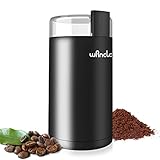
Quick answer: Our top pick in 2026 is the Blade grinder — our #1 rated choice. See the full ranked comparison, alternatives and buying advice below.
The Short Answer
Yes, ceramic burrs can be worth it for coffee if you want an inexpensive manual grinder for occasional brewing, travel, or backup use. The one condition is that you must accept slower grinding and less consistent results than you would get from a well-made steel-burr grinder. Ceramic is not automatically better; it is simply a practical material with a different set of trade-offs.
For many buyers, the real decision is not “ceramic versus steel” in isolation. It is whether a low-cost ceramic hand grinder can produce coffee that is noticeably better than a blade grinder or pre-ground beans. Usually, it can. But if you brew several cups every morning, use light-roast beans, or care deeply about dialing in espresso, a sturdier steel-burr grinder is usually the better long-term purchase.
As an Amazon Associate we earn from qualifying purchases at no extra cost to you. Product prices and availability are accurate as of the date shown and are subject to change.

What You Actually Get
See also: How to Season a New Coffee Grinder (2026): Step-by-Step • How to Clean a Moka Pot Safely (2026): Step-by-Step
A ceramic burr grinder crushes and cuts coffee beans between two textured grinding surfaces. One burr remains stationary while the other rotates when you turn a hand crank or activate a motor. The gap between the burrs controls the grind size, from coarse settings for French press to finer settings for espresso-style brewing.
In budget hand grinders, ceramic burrs commonly appear in compact assemblies measuring roughly 4 to 8 inches tall and weighing about 8 to 16 ounces. Their small size makes them easy to store in a kitchen drawer, suitcase, or work bag. Most hold approximately 0.7 to 1.5 ounces of beans, enough for one or two typical 8- to 12-ounce cups, depending on your recipe.
Many inexpensive models advertise 20 to 40 or more adjustment settings. Those numbers can be useful, but they do not guarantee precision. What matters is whether each click creates a meaningful, repeatable change and whether the burrs remain aligned while you grind. A 40-setting grinder with a loose shaft can perform worse than a simpler grinder with fewer, more stable settings.
Ceramic also tends to transfer less heat than metal during slow manual grinding. That sounds attractive, but it should not be confused with a guaranteed flavor advantage. A hand grinder is unlikely to heat coffee enough to create a dramatic difference in a normal brewing session. Burr alignment, sharpness, bean quality, and grind consistency matter more.
Pros
- Low purchase price: Basic ceramic hand grinders often cost about $15 to $40. That makes them an accessible upgrade from a blade grinder without committing to a $100-plus specialty grinder.
- No electricity required: A manual grinder works during travel, camping, power outages, and in offices without a convenient outlet. It also produces no motor noise.
- Compact and lightweight: Ceramic-burr models are often small enough to pack with a pour-over cone, AeroPress-style brewer, or French press. Their modest size is useful in small kitchens.
- Suitable for common brewing methods: A decent example can handle drip coffee, pour-over, French press, and cold brew. It is most comfortable with medium and dark roasts, which are generally easier to grind than dense light roasts.
- Resistance to rust: Ceramic does not rust when exposed to moisture. That does not mean you should wash the burr assembly routinely, but it can be reassuring in humid kitchens.
- Replaceable parts may be available: Some inexpensive grinder designs use removable ceramic burr cores. A replacement core can cost roughly $8 to $20, potentially extending the life of the grinder if the burr wears or breaks.
- A meaningful improvement over blade grinding: Because burrs produce a defined gap, they generally offer more control than a blade grinder, which chops beans unevenly and relies on timing rather than a fixed grind setting.
Cons
- Slower operation: Grinding 20 to 30 grams by hand may take about 1 to 3 minutes, depending on the beans, burr size, and grinder design. Dense light-roast coffee can take longer and require more effort.
- More fines and boulders at budget prices: Low-cost ceramic grinders may produce a wider range of particle sizes than premium steel-burr grinders. This can create both bitter and sour flavors in the same cup, especially with pour-over brewing.
- Less comfortable with hard beans: Light roasts are dense and can make the crank feel stiff. If the grinder has a thin handle or flexible body, the experience may be frustrating rather than calming.
- Ceramic burrs can chip: Ceramic is hard, but it is also brittle. A small stone hidden in a bag of beans or an accidental drop can damage a burr. Steel burrs are generally more forgiving of impact.
- Adjustment systems can be imprecise: Some budget models use a stepped dial with broad jumps between settings. Others can drift during use, forcing you to reset the grind size from one session to the next.
- Small capacity: A compact grinder may require multiple batches for a larger household. Grinding 50 to 60 grams for a full carafe can turn a quick morning routine into a noticeably longer chore.
- Not ideal for serious espresso: Espresso requires a narrow, repeatable grind range and fine adjustment. Some ceramic grinders can reach a fine setting, but reaching a setting is not the same as producing consistent espresso particles.
Who Should Buy It
Buy a ceramic-burr grinder if you make one or two cups at a time and want freshly ground coffee without spending much. It is a sensible choice for a student, occasional drinker, traveler, camper, or first-time burr-grinder owner. It also works well as an emergency backup when your electric grinder stops working.
It can be especially reasonable for French press and basic drip coffee, where a little extra variation is less noticeable than it is in espresso or a delicate pour-over. If you already own a blade grinder, moving to a ceramic burr model should provide better control over grind size and a more repeatable routine.
As a reference point, a CEVING Mini Manual Coffee Grinder with 40 adjustable settings is listed at $17.99. A compact product in that price range is best viewed as an entry-level tool, not a lifetime specialty grinder. It may be a good fit when low cost and portability matter more than speed.
Who Should Skip It
Skip ceramic burrs if you regularly grind for three or more people, dislike hand grinding, or use mostly light-roast beans. You should also look elsewhere if you make espresso every day and expect precise, fast adjustments. In those cases, a larger steel-burr grinder—manual or electric—will usually provide a smoother workflow.
Buyers who want a “buy once” grinder should be cautious about the very cheapest options. A low price can mean a lightweight body, a narrow crank, plastic adjustment parts, or limited replacement support. The burr material alone cannot compensate for poor alignment. A well-supported steel grinder may cost more initially but offer better durability and consistency.
Cheaper Alternatives
| Option | Cost | Trade-off |
|---|---|---|
| Blade grinder | $15–$30 | Fast and inexpensive, but grind size is uneven and controlled mainly by how long you run it. |
| Pre-ground coffee | $8–$18 per bag | Most convenient, but it loses freshness faster after opening and cannot be adjusted for a particular brewer. |
| Basic ceramic manual grinder | $15–$40 | Better control and portability, but slow, labor-intensive, and less consistent than premium burr grinders. |
| Replacement ceramic burr core | About $8–$20 | Useful for repairing a compatible grinder, but it will not fix a worn shaft, loose housing, or poor burr alignment. |
| Entry-level steel manual grinder | $35–$80 | Usually tougher and more comfortable, but costs more and may still be slow for multiple daily servings. |
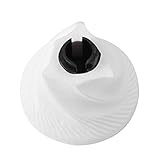
One replacement-style listing, the Coffee Grinder Core ceramic burr manual grinder core, is priced at $8.19. Treat products like this as compatibility-dependent parts rather than universal upgrades. Check the burr diameter, shaft shape, mounting method, and grinder model before ordering. A replacement core can restore a matching grinder, but it cannot turn a small budget grinder into a high-precision one.
FAQ
Are ceramic burrs better than steel burrs?
Neither material is universally better. Ceramic resists rust, can be inexpensive, and works well in compact manual grinders. Steel is generally tougher, better suited to fast grinding, and more common in higher-performance grinders. Burr shape, alignment, adjustment quality, and the grinder’s body often matter more than the material by itself.
Do ceramic burrs make coffee taste better?
They can help you make better coffee than a blade grinder because they provide a more controlled grind size. However, ceramic does not automatically improve flavor. Fresh beans, an appropriate grind setting, accurate water temperature, and a consistent brewing ratio usually have a larger effect on the cup.
Can a ceramic-burr grinder grind espresso?
Some can reach an espresso-fine setting, but inexpensive models may produce too much variation for dependable espresso dialing-in. They are more reliable for drip, pour-over, French press, and other less demanding methods. If you need repeatable espresso, choose a grinder specifically designed for fine adjustment and stable burr alignment.
How long do ceramic burrs last?
There is no single lifespan because use, bean hardness, cleaning, and construction all matter. With normal home use, ceramic burrs can last for years, but the surrounding adjustment mechanism or shaft may wear first. Keep the grinder dry, brush out loose grounds, avoid washing the burrs unless the manufacturer permits it, and inspect the beans for stones before grinding.
Ready to decide? Our #1 pick for 2026 is the Blade grinder.
Live price & availability on Amazon.