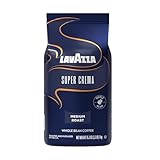
- Top Pick: Lavazza Super Crema Whole Bean Coffee, Medium Espresso Roast, Arabica and Robusta Blend, 2.2 lb Bag, Package May Vary (Pack of 1)
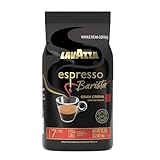
- Best Value: Lavazza Espresso Barista Gran Crema Whole Bean Coffee Blend, Medium Espresso Roast, Oz Bag (Packaging May Vary) – 2.2 LB, 35.2 Ounce
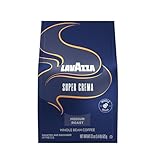
- Premium Choice: Lavazza Super Crema Whole Bean Coffee, Medium Espresso Roast, Arabica and Robusta Blend, 22 oz Bag
Last updated: October 20, 2026
As an Amazon Associate we earn from qualifying purchases at no extra cost to you.


Disclosure: As an Amazon Associate we earn from qualifying purchases. This page contains affiliate links and we may earn a commission at no extra cost to you.
A latte is an unfair fight. One or two ounces of espresso against six to ten ounces of steamed milk, and the espresso is somehow expected to win. Most beans lose that fight: delicate, bright coffees that taste wonderful as straight shots simply disappear into the milk, leaving you with an expensive warm milk beverage. Choosing beans for lattes is therefore its own discipline, and it explains why your favorite straight-shot coffee may be exactly the wrong thing for your morning routine.
What wins the fight is concentration of character: darker caramelized sweetness, full body, and dense crema that emulsifies into the milk instead of vanishing beneath it. Milk does flattering things to those qualities too, rounding smoke into chocolate and bitterness into sweetness, which is why beans that taste aggressive alone often taste perfect in a flat white. The six bags below are picked specifically for that alchemy, from milk-piercing dark roasts to a blonde option for drinkers who want their latte gentle.
The other half of latte quality is the milk itself, and no bean can fix poorly textured foam. If your microfoam game needs work, our roundup of the best milk frothers for home espresso covers every budget, and dialing both halves together is what makes café-quality lattes routine at home.
Quick Comparison
| Product | Price | Rating |
|---|---|---|
| Starbucks Blonde Espresso Roast (28 oz) | Check on Amazon | 4.8/5 |
| Starbucks Espresso Roast (18 oz) | Check on Amazon | 4.7/5 |
| Lavazza Caffè Espresso Blend (2.2 lb) | Check on Amazon | 4.7/5 |
| illy Intenso (Ground) | Check on Amazon | 4.6/5 |
| Lavazza Barista Gran Crema | Check on Amazon | 4.6/5 |
| Lavazza Espresso 100% Arabica | Check on Amazon | 4.6/5 |
Why Trust This Guide
See also: 4 Best Coffee Beans for Iced Coffee (October 2026) Honest Reviews • Instant Espresso Brands Ranked
These picks come from years of pulling shots and steaming milk at home, each product’s own stated roast and composition details, and the patterns that persist in long-term owner feedback, specifically from latte drinkers rather than straight-shot purists. We invent no statistics, we judge every bean by how it performs under milk, and we flag the picks that suit other drinks better.
Starbucks Blonde Espresso Roast
Blonde is the contrarian latte pick, and a deliberate one. Most latte advice says go dark, but a meaningful share of drinkers actively prefers a gentler cup where the milk’s natural sweetness leads and the coffee plays a citrus-caramel supporting role. Blonde was engineered for exactly that drink, and the 28-ounce bag feeds the habit economically.
The honest physics: a blonde latte at standard ratios will always be milk-forward, so drinkers who want coffee-forward should pull it as a double or choose a darker bag below. Where Blonde becomes unbeatable is iced lattes, where its brightness stays vivid against cold milk, and in alternative-milk drinks, since its lighter profile harmonizes with oat milk especially well; our guide to oat milk coffee drinks leans on exactly this pairing. Decant the big bag into airtight storage immediately, because lighter roasts fade fastest.
Starbucks Espresso Roast
This is the bean behind more lattes than any other on earth, which makes it less a recommendation than a reference standard. The dark roast was composed specifically to survive Starbucks-scale milk ratios, with molasses depth and a smoky edge that steamed milk rounds into the familiar coffeehouse flavor millions order daily.
It is consistent, forgiving to grind, and predictable bag after bag, the virtues of a blend built for tens of thousands of machines. The tradeoff is nuance, since straight shots read blunt and roasty, and that is simply not what this bean is for. If your goal is “my latte, but made at home for a fraction of the price,” start here and put the savings toward better milk technique or a proper scale with a timer.
Lavazza Caffè Espresso Blend
Lavazza’s classic medium roast is the latte pick for drinkers who find dark roasts ashy but still want the coffee to show up through the milk. Its honeyed, softly chocolatey profile survives a standard latte ratio while keeping an Italian gentleness the darker picks here trade away.
In practice it makes a rounder, sweeter latte than the Starbucks dark roast, at the cost of some punch, so heavy-milk drinkers, twelve ounces and up, may want to pull doubles. It is also the most versatile bean on this list, equally happy as an americano or weekend drip, which matters if your household drinks more than one style. Run it against the Gran Crema in a two-bag taste-off, sampler style, as our variety pack method lays out, and let your own palate pick the house bean.
illy Intenso
The illy Intenso here is pre-ground, and that demands an honest sentence up front: freshly ground beans beat pre-ground, full stop. What this can earns its place with is execution within the format, since illy grinds for espresso and packs in pressurized cans that protect aroma far better than ordinary bags, and the Intenso profile is bold and full-flavored, built to carry through milk.
It is the right pick for three audiences: machine owners without a grinder yet, travel and office setups, and households that keep a no-effort backup beside their bean rotation. The grind is fixed, so you dial with dose and tamp rather than grind size, and once opened the clock runs faster than with whole beans, so transfer it to a sealed container and use it within a couple of weeks. For a grinderless latte, this is about as good as it gets.
Lavazza Barista Gran Crema
If this page had a single default answer, Gran Crema would be it. The blend exists for milk drinks: its Robusta fraction builds the thick, stable crema that folds into steamed milk and produces that unified, velvety latte texture cafés achieve, and its chocolate-hazelnut profile is precisely the flavor family milk flatters most. Latte art also holds noticeably better on its dense foam base.
The tradeoff is the same one noted by every straight-shot purist: a mild earthy edge in unmilked shots, which the intended drink never exposes. A well-stocked latte corner, with this bag, a good pitcher, and your machine within reach on a tidy coffee bar cart, replaces a shocking number of café visits.
Lavazza Espresso 100% Arabica
The all-Arabica Lavazza rounds out the list as the refined option for small-milk drinks. In a big latte its gentle florals and honey notes fight above their weight class and lose; in a cortado, flat white, or one-to-one macchiato, they are the entire point. This is the bean for drinkers who like milk as a seasoning rather than a beverage.
It pulls a softer, more aromatic shot than anything else here, with modest crema by design, and it doubles beautifully as a straight-espresso bean for the household’s black-coffee drinker. The 2.2-pound bag wants the usual storage discipline. The practical advice is ratio-matching: keep this for drinks under six ounces and hand the bigger glasses to the Gran Crema or the Starbucks dark roast. Used that way, it turns the smallest milk drinks into the most elegant ones on your menu.
What to Look For in Coffee Beans for Lattes
Latte beans are chosen by different rules than straight-shot beans. These are the ones that matter:
- Milk-piercing intensity — darker roasts and bolder blends keep their identity under six-plus ounces of milk. If the bag whispers, the milk will win.
- Crema-building composition — blends with Robusta, like Gran Crema, produce the dense foam that emulsifies into steamed milk for that unified café texture.
- Chocolate-caramel flavor family — milk amplifies cocoa, caramel, and nut notes while muting florals and citrus. Buy the notes that milk flatters.
- Your actual drink size — cortado drinkers can use delicate beans; sixteen-ounce latte drinkers need artillery. Match the bean to the glass, not to reviews written about straight shots.
- Value at daily volume — latte habits consume beans fast, two shots per drink for many. Per-pound price on big bags matters more here than in any sipping category.
- Format honesty — whole bean wins on flavor; quality pre-ground like illy’s pressurized cans wins on convenience. Know which trade you are making and why.
Tips for Getting the Most Out of Coffee Beans for Lattes
Build the drink around ratios, not habits. Start with a double shot, around 36 grams of espresso, under five to six ounces of milk, taste, and adjust one variable at a time; most homemade latte disappointment is just too much milk on too little coffee. Steam milk to a glossy paint texture between 55 and 65 degrees Celsius, since scalded milk loses the sweetness that makes the whole drink work. And pull your shots directly before steaming, not after, so the crema is fresh when the milk meets it.
Run a deliberate two-bag system once your technique stabilizes: a milk-forward workhorse like Gran Crema or the Espresso Roast for big morning drinks, and a gentler bag like the all-Arabica for afternoon cortados. Label your dialing settings per bag so switching takes one adjustment, not a wasted dose. Buy at the rate you drink, which for a two-latte household means a large bag every few weeks, portioned and sealed on arrival. The bean budget per drink still lands far below café prices, which is the quiet financial argument for the entire home latte habit.
Frequently Asked Questions
Why does my latte taste like warm milk instead of coffee?
Your bean is being outgunned or your ratio is off. Move to a darker, fuller blend, pull a double shot rather than a single, and cap the milk near six ounces. Delicate, bright beans that shine as straight espresso are usually the worst latte performers, which surprises almost everyone once.
Are dark roast beans always better for lattes?
They are the safer default because caramelized, chocolatey notes survive and even improve under milk. But blonde lattes are a legitimate style for drinkers who want gentle, milk-led cups, and medium blends like Lavazza’s split the difference. The real rule is intensity matching: bigger milk volume demands a bolder bean.
Can I make a good latte with pre-ground coffee?
Yes, within limits. Quality espresso-ground products in protective packaging, like illy’s pressurized cans, make genuinely good lattes, especially for machine owners without a grinder. You give up grind-size dialing and some freshness window. Decant after opening, use it within about two weeks, and adjust with dose and tamp instead.
How many shots of espresso should go in a latte?
For flavor balance, a double shot per eight-to-ten-ounce drink is the home standard; cafés often scale to triples in sixteen-ounce cups. Singles work only in small drinks like cortados. If you regularly drink large lattes, plan your bean buying around doubles, which doubles your consumption math too.