Last updated: October 20, 2026
As an Amazon Associate we earn from qualifying purchases at no extra cost to you.



Disclosure: As an Amazon Associate we earn from qualifying purchases. This page contains affiliate links and we may earn a commission at no extra cost to you.
Decaf has pulled off one of the quietest redemption arcs in food. For decades it was the punchline of the coffee world, a brown apology served to people who could not have the real thing. Then decaffeination technology grew up, with the Swiss Water process and modern solvent methods removing caffeine while leaving most of the flavor compounds intact, and roasters started giving decaf lots the same care as their flagship beans. Today a well-made decaf espresso can fool attentive drinkers, and that changes what an evening at home can taste like.
The use case is bigger than most people admit. There is the obvious audience of caffeine-sensitive drinkers and pregnancy-cautious households, but the fastest-growing group is ordinary coffee lovers who want a real cappuccino at 9 pm without staring at the ceiling until two. A good decaf bag beside your regular beans effectively doubles your coffee day, and your espresso machine does not know the difference.
The six bags below span the practical range: San Francisco Bay’s bulk French roast, Black Rifle’s medium, Eight O’Clock’s classic, Mayorga’s organic Swiss Water dark roast, Lavazza’s Italian DEK, and Whole Foods’ budget Buzz Free. As always, everything is whole bean, and decaf rewards fresh grinding even more than regular coffee because it starts with less aroma to spare; sealed airtight storage is non-negotiable here.
Quick Comparison
| Product | Price | Rating |
|---|---|---|
| San Francisco Bay Decaf French Roast (2 lb) | Check on Amazon | 4.6/5 |
| Black Rifle Just Decaf (12 oz) | Check on Amazon | 4.5/5 |
| Eight O’Clock The Original Decaf (21 oz) | Check on Amazon | 4.5/5 |
| Mayorga Decaf Café Cubano (2 lb, Swiss Water) | Check on Amazon | 4.5/5 |
| Lavazza DEK (1.1 lb) | Check on Amazon | 4.5/5 |
| 365 Buzz Free Decaf (24 oz) | Check on Amazon | 4.4/5 |
Why Trust This Guide
See also: 4 Best Coffee Beans for Iced Coffee (October 2026) Honest Reviews • Instant Espresso Brands Ranked
We base these picks on home-brewing experience with decaf as a daily evening habit, each product’s own stated decaffeination process and roast details, and the long-term judgment of owners who drink decaf by choice rather than obligation. We fabricate no test data, we name each bag’s process where the producer discloses it, and we hold decaf to regular-coffee standards, because the category finally earns that.
San Francisco Bay Decaf French Roast
San Francisco Bay has built a loyal following on the unglamorous virtue of value, and its decaf French roast is the bulk workhorse of this list: two pounds of dark, water-process decaffeinated beans at a per-pound price most specialty decafs cannot approach. The profile is proper French roast, smoky, heavy, low-acid, which happens to be a smart roast level for decaf since the boldness masks whatever subtlety the decaffeination took.
As evening espresso or decaf lattes it delivers exactly what the label promises, and it makes a formidable decaf cold brew. The tradeoffs are inherent to the style: origin nuance is not the point, and the dark, slightly oily beans want a clean grinder and prompt storage. For households where decaf is a nightly ritual rather than an occasional concession, this is the bag that makes the habit affordable.
Black Rifle Just Decaf
Black Rifle’s Just Decaf answers a specific complaint: most decaf is roasted dark to hide its flaws, leaving medium-roast lovers stranded. This 12-ounce bag keeps the company’s veteran-owned, small-batch positioning and delivers a balanced medium roast that tastes like a regular daily coffee that simply forgot its caffeine. For drip and pour over drinkers especially, that medium profile is rare and welcome in the category.
The 12-ounce format costs more per ounce than the bulk options here, but it fits how many households actually drink decaf, a few cups a week, where a small fresh bag beats a big stale one. It pulls a competent, balanced espresso shot too. If your decaf drinking is occasional, buy small like this and finish fresh; if it is nightly, the two-pound bags win the math. A few notes per bag in a barista journal will tell you which camp you are really in.
Eight O’Clock The Original Decaf
Eight O’Clock has been an American grocery staple since the 19th century, and The Original Decaf is its classic 100% Arabica profile, sweet, nutty, medium-roasted, in a generous 21-ounce whole-bean bag. This is comfort decaf: nothing exotic, nothing fussy, just the familiar taste many drinkers grew up with, minus the caffeine.
Its strength is exactly that familiarity plus format value, sitting between the small premium bags and the two-pound bulk options. It brews a friendly drip pot, a smooth French press, and a serviceable, mild espresso shot that suits milk drinks more than straight sipping. Drinkers chasing modern specialty character will find it plain, and that is a fair trade at this price. As the household default decaf for guests, evenings, and second pots, it earns its slot bag after bag, brewed proudly through a glass carafe pour over set for an unhurried late cup.
Mayorga Decaf Café Cubano
Mayorga’s decaf is the premium pick and the only bag here advertising the Swiss Water process by name, the chemical-free decaffeination method that specialty drinkers ask for first. Pair that with USDA Organic certification and the brand’s signature dark Latin roast, and the result is the rare decaf that loses almost nothing of its caffeinated sibling’s identity: bold, smoky-sweet, syrupy, and made for espresso and café con leche.
Evening espresso drinkers and decaf latte households will taste the difference; light-roast lovers should still look elsewhere, since the Cubano style is unapologetically dark. If only one decaf on this page were a gift for a serious coffee person, it is this one.
Lavazza DEK
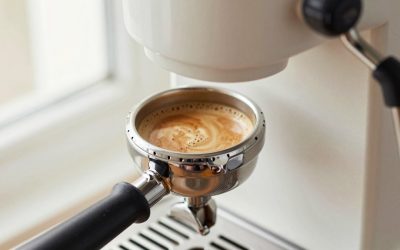
DEK is Lavazza’s answer to the Italian evening, an espresso-purposed decaf blend of Arabica and Robusta in a 1.1-pound bag. The Robusta matters: it restores the crema and body decaffeination tends to weaken, so DEK pulls shots that look and feel like proper Italian espresso, with the chocolatey roundness of the house style. Among these six bags, it is the one most plainly engineered for the portafilter.
That makes it the pick for the after-dinner espresso ritual, the single decaf macchiato or cappuccino that ends a meal without ending your sleep. The smaller bag suits the use case, since evening-only drinkers will finish it within its freshness window. As drip coffee it is duller than the American-style picks here, which is no insult, just a reminder of its job description. If you are still choosing the machine for that ritual, our espresso machine buying guide pairs naturally with this bag.
365 Buzz Free Decaf
The roast sits in the easy middle, smooth and mild, designed to offend no one and to disappear gracefully into milk, cream, or an evening pot shared across mixed preferences.
The honest assessment is that it is the least distinctive cup on this list and simultaneously one of the most useful, since the most common decaf use case is exactly this: a dependable, affordable, always-in-the-pantry option for the hours after noon. Its 4.4 rating, the lowest here, reflects modest ambition rather than failure. Start your decaf exploration with this bag, and run a side-by-side against the Mayorga or DEK in the spirit of our bean sampler comparisons to learn what the premium tiers actually buy you.
What to Look For in Decaf Coffee Beans
Decaf shopping has a few extra dimensions that regular coffee buying skips. The ones that matter:
- Decaffeination process — Swiss Water and other water-based methods avoid chemical solvents and are worth seeking out when disclosed, as with Mayorga. Silence on process usually means conventional methods, which are safe but worth knowing about.
- Roast level honesty — dark roasting can hide tired decaf, but it can also be a legitimate style choice. Medium decafs like Black Rifle’s expose quality more, which is a good sign when they pull it off.
- Whole bean, always — decaf starts with less aroma headroom than regular coffee, so pre-ground decaf fades into beige almost immediately. Grind fresh per cup without exception.
- Espresso-specific design — decaffeination weakens crema, so blends that compensate, like DEK with its Robusta fraction, behave far better in a portafilter than generic decafs.
- Bag size versus your actual habit — occasional decaf drinkers should buy small and fresh; nightly drinkers earn the bulk discounts. Stale decaf is the category’s biggest avoidable failure.
- Caffeine expectations — decaf means roughly 97% caffeine-free, not zero. A few shots’ worth still adds up for the truly sensitive, which is worth knowing before that third evening cappuccino.
Tips for Getting the Most Out of Decaf Coffee Beans
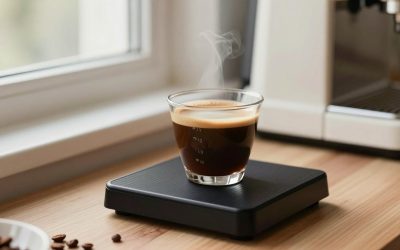
Brew decaf slightly harder than regular coffee. Decaffeinated beans are more porous and behave differently under extraction, often running fast and thin if you treat them like their caffeinated siblings; grind a step finer for espresso, expect to update your recipe, and do not be surprised if your decaf dose wants a touch more coffee for the same ratio. Weigh everything, since decaf’s narrower flavor margin punishes sloppiness more, and a reliable scale with a timer is the cheapest upgrade in the routine.
Then protect the freshness like it is twice as fragile, because it roughly is. Buy quantities you will finish within a month, keep the working supply sealed and dark, and freeze portions of the big two-pound bags on day one. Run your decaf through the same quality bar as your regular rotation, including the occasional black tasting cup, and retire any bag that has gone flat to cold brew duty, where decaf performs surprisingly well. The whole point of modern decaf is that you no longer have to lower your standards after lunch, so do not.
Frequently Asked Questions
Is decaf coffee completely caffeine-free?
No. Standard decaffeination removes about 97% of caffeine, leaving a few milligrams per cup versus roughly 80 to 100 in regular coffee. For most people that is negligible even at bedtime; the highly sensitive should still count their evening shots. Nothing on this list, or any decaf shelf, is truly zero.
What is the Swiss Water process and is it worth paying for?
Swiss Water decaffeinates beans using only water, temperature, and carbon filtration, with no chemical solvents, while preserving flavor unusually well. Producers who use it advertise it, as Mayorga does. Whether the premium is worth it depends on your priorities: for chemical-free processing and flagship-level decaf flavor, it is the benchmark.
Can decaf beans make real espresso with crema?
Yes, with the right bag. Decaffeination weakens crema formation, so the best results come from decafs designed for espresso, like Lavazza DEK, whose Robusta content rebuilds body and foam, or dark, oily-style roasts like Mayorga’s. Grind slightly finer than for regular beans and expect one extra dialing session.
Why does some decaf taste flat or cardboard-like?
Usually age, not the decaffeination itself. Decaf starts with less aroma and loses it faster once roasted, ground, or left unsealed, and slow-moving decaf stock sits on shelves longer than regular coffee. Buy whole bean from high-turnover sellers, store it airtight, and finish bags within a month of opening.