Last updated: September 4, 2026
As an Amazon Associate we earn from qualifying purchases at no extra cost to you.




Disclosure: As an Amazon Associate we earn from qualifying purchases. This page contains affiliate links and we may earn a commission at no extra cost to you.
Peaberry is one of those words that gets thrown around coffee shops with a certain reverence, and for once the mystique is rooted in something real. Inside a normal coffee cherry, two seeds grow pressed against each other, which is why regular beans have one flat side. In roughly five percent of cherries, only one seed develops, and it grows into a small, dense, rounded bean — the peaberry. Because these rounder beans tumble more evenly in a drum roaster and tend to be denser than flat beans, many roasters believe they roast more uniformly and concentrate flavor in a way that standard lots do not.
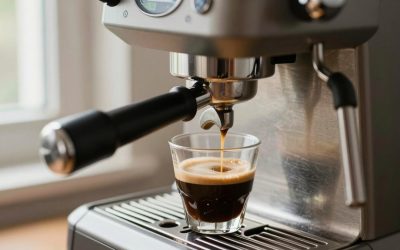
Whether peaberry tastes objectively better is a debate that will outlive all of us, but in practice these lots are hand-sorted, usually come from quality-focused origins like Tanzania, Kenya, and Costa Rica, and almost always represent a roaster’s more careful work. If you pull shots at home, a bright Tanzanian peaberry can be a genuinely exciting change of pace from the usual chocolate-and-nuts espresso blends — just be ready to adjust your grind, because dense beans behave differently in the burrs. Our espresso grinder guide explains why a capable grinder matters even more with unusual beans like these.
For this roundup we gathered six widely available peaberry options that cross the spectrum: unroasted green beans for home roasters, a rare Vietnamese robusta peaberry, and several classic Tanzanian and Costa Rican lots in light through dark roasts. If you are still figuring out which origins suit your palate, working through a coffee bean sampler pack first is a low-risk way to narrow things down before committing to a premium peaberry purchase.
Quick Comparison
| Product | Price | Rating |
|---|---|---|
| Roastika Tanzania Peaberry (Green, 5 lb) | $60.89 | 5.0/5 |
| Cafely BanMe Peaberry Robusta | $29.99 | 4.8/5 |
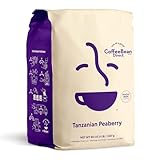
| Coffee Bean Direct Tanzanian Peaberry | $39.99 | 4.5/5 |
| Kahawa 1893 Tanzania Peaberry | $19.99 | 4.5/5 |
| Costa Rica Peaberry (Fresh Roasted) | $25.00 | 4.4/5 |
| Fresh Roasted Coffee Tanzanian Peaberry | $16.95 | 4.4/5 |
Why Trust This Guide
See also: 4 Best Coffee Beans for Iced Coffee (October 2026) Honest Reviews • Instant Espresso Brands Ranked
We are home-espresso obsessives, not a content farm. Recommendations here come from comparing verifiable details — origin, processing, roast level, bag size, and price per ounce — against what actually matters when you brew at home. We do not invent specifications, we do not copy marketing claims uncritically, and when a product is a niche pick rather than a crowd-pleaser, we say so plainly.
Roastika Tanzania Peaberry (Green, 5 lb)
This one is for a specific kind of person: the home roaster. Roastika sells unroasted green Tanzania peaberry from the Kilimanjaro growing region in a five-pound bag, which works out to a sensible cost per pound for single-origin specialty-grade material. Green coffee keeps far longer than roasted coffee — many months when stored cool and dry — so a bag this size is not the liability it would be with roasted beans.
If you have ever wanted to experience why roasters love peaberry, roasting it yourself is the most direct route. The small, round, dense beans move beautifully in a fluid-bed or drum roaster and develop evenly from first crack onward. You will obviously need equipment; our overview of home green coffee roasting equipment walks through the realistic starter options. Skip this pick if you only want ready-to-brew coffee — it is raw material, not a finished product.
Cafely BanMe Peaberry Robusta
The outlier of the group, and the most interesting one to argue about. Cafely’s BanMe is a Vietnamese robusta peaberry in a dark roast, and robusta is a different species from the arabica that fills the rest of this list. Expect a heavier body, far more caffeine, a bittersweet cocoa-and-earth profile, and dramatically thicker crema — robusta is the classic crema-booster in traditional Italian blends for a reason.
As a straight espresso it is intense, and lovers of bright, fruity coffee should look elsewhere. But for milk drinks it is outstanding: that punchy base cuts through steamed milk and holds its flavor in a large latte where delicate arabica disappears. It is also the natural choice if you want to make authentic Vietnamese-style coffee with sweetened condensed milk. A genuinely distinctive pick at a fair price.
Coffee Bean Direct Tanzanian Peaberry
Coffee Bean Direct has built its reputation on selling honest single-origin coffee in larger bags at prices that undercut boutique roasters, and this Tanzanian peaberry follows the formula. It is a single-origin arabica peaberry sold as whole bean, which is exactly how you want it — pre-ground peaberry defeats the purpose of paying for a carefully sorted lot.
The sensible buyer here is someone who already knows they like East African coffee and wants a steady supply rather than a one-off treat. Buying in volume does put the storage burden on you: once the bag is open, oxygen is the enemy, and decanting into sealed containers makes a real difference. Our guide to airtight and freezer coffee storage covers how to keep the back half of a big bag tasting like the front half.
Kahawa 1893 Tanzania Peaberry
Kahawa 1893 is the most story-driven brand on this list — a Kenyan-American company that sources from East African farms, supports women producers, and gained national attention through Shark Tank. The coffee itself is a medium-roast Tanzania peaberry blend in a 12-ounce bag, pitched at the sweet spot where peaberry brightness meets everyday drinkability.
A medium roast is the friendliest introduction to what Tanzanian coffee does well: lively acidity, a juicy fruit character, and a clean finish without the roasty bitterness of darker styles. It works across brew methods, which matters if your household splits between espresso and drip. The price per ounce is higher than bulk options — you are paying for the sourcing model and the smaller bag — but as a first peaberry experience it is an easy recommendation.
Costa Rica Peaberry (Fresh Roasted)
Most peaberry on the market is East African, so this Costa Rican lot earns its place by being different. Central American coffees lean toward balance — milk chocolate, mild citrus, a rounded sweetness — and the peaberry sorting adds density and uniformity to that already approachable profile. It comes as a full pound of whole bean coffee at a mid-pack price, roasted to order in a medium style.
This is the pick for people who find East African coffees too bright. As espresso it pulls a forgiving, sweet shot that takes milk well; as filter coffee it is simply pleasant from the first cup of the bag to the last. If you like keeping notes as you dial in new beans, a barista recipe journal turns each new bag like this into usable data instead of guesswork.
Fresh Roasted Coffee Tanzanian Peaberry
Fresh Roasted Coffee’s Tanzanian peaberry is the value play: a 12-ounce bag of light-roast, kosher-certified, single-origin peaberry at the lowest price in this roundup. The company roasts in-house and ships quickly, and the light roast preserves the origin character — expect citrus, black tea, and berry-adjacent brightness rather than deep chocolate.
Light roasts are dense and less soluble, which makes them the most demanding option here for espresso users; you will grind finer and may need to raise your brew temperature or lengthen your ratio to avoid sourness. Our espresso ratio guide is worth a read before you dial this one in. For pour-over and drip, no such caveats — it is an outstanding budget gateway into peaberry.
What to Look For in Peaberry Coffee Beans
Peaberry is a sorting style, not a quality guarantee, so the usual rules of buying good coffee still apply — with a few extra wrinkles worth knowing.
- Genuine peaberry sorting — peaberries must be separated from flat beans by hand or machine, which is labor-intensive. Reputable sellers state the origin and lot clearly; vague labeling is a red flag at peaberry prices.
- Origin character — Tanzanian peaberry tends toward bright citrus and berry notes, Costa Rican toward balanced chocolate and soft fruit, and Vietnamese robusta toward heavy body and intensity. Buy the origin that matches your palate, not the prettiest bag.
- Roast level for your brew method — light roasts shine in filter brewing but demand careful espresso dialing; medium roasts are the safest all-rounders; dark roasts and robusta suit milk drinks and traditional preparations.
- Whole bean only — the density advantage of peaberry is wasted the moment it is pre-ground. Grind at home, as close to brew time as possible.
- Roast date transparency — roasted-to-order sellers and printed roast dates beat ambiguous best-by dates every time. Peaberry is a freshness product.
- Bag size versus consumption — a five-pound bag is only a bargain if you can finish it while it is fresh or store it properly. Match quantity to how much you actually brew in three to four weeks.
Tips for Getting the Most Out of Your Peaberry Beans
Treat the first three or four brews as calibration, not consumption. Peaberry beans are denser than the flat beans your grinder is used to, so your existing espresso setting will likely run fast and sour at first — tighten the grind a step, keep your dose constant, and weigh both input and output. A proper coffee scale with a timer is non-negotiable here; with beans at this price, eyeballing is just burning money.
Give the bag time to rest and time to evolve. Freshly roasted peaberry often tastes sharper in the first few days off roast, then settles into its real character between days five and twenty. Buy quantities you can finish within a month of opening, keep the beans sealed and away from heat and light, and resist the freezer unless you portion the beans into airtight doses first.
Finally, taste it black at least once, even if you are a latte person. Peaberry lots are sorted specifically because of their concentrated cup character, and a splash of milk can flatten exactly the brightness you paid extra for. Pull it as espresso, brew it as pour-over, and let yourself compare — that comparison is most of the fun of buying coffee like this.
Frequently Asked Questions
What exactly makes a bean a peaberry?
Inside most coffee cherries, two seeds develop face-to-face, each with one flat side. In a small fraction of cherries, only one seed forms, and it grows into a small, rounded, denser bean called a peaberry. These are separated from regular beans during sorting and sold as distinct lots.
Does peaberry coffee actually taste better?
Not automatically. The honest case for peaberry is uniformity: round, dense beans of similar size roast evenly, and the extra sorting step means more defective beans get removed. Many drinkers perceive brighter, more concentrated flavor, but origin, freshness, and roast quality still matter more than the peaberry label alone.
Why does peaberry cost more than regular coffee?
Scarcity and labor. Only around five percent of beans in a harvest are peaberries, and they must be physically sorted out from the rest of the lot. You are paying for that rarity and handling, which is also why genuine peaberry from a traceable origin rarely sells at bargain-bin prices.
Is peaberry coffee good for espresso?
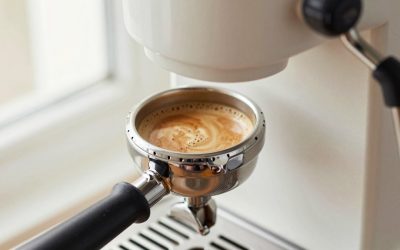
Yes, with adjustment. Peaberry’s density and uniformity reward a careful grind-and-weigh routine, and medium-roast peaberry makes vivid, sweet shots. Expect to grind finer than you would for typical flat-bean coffee of the same roast level, and give light roasts extra patience during dialing in.