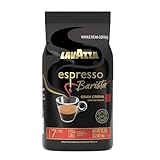
- Top Pick: Lavazza Espresso Barista Gran Crema Whole Bean Coffee Blend, Medium Espresso Roast, Oz Bag (Packaging May Vary) – 2.2 LB, 35.2 Ounce
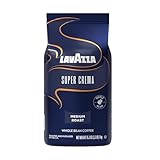
- Best Value: Lavazza Super Crema Whole Bean Coffee, Medium Espresso Roast, Arabica and Robusta Blend, 2.2 lb Bag, Package May Vary (Pack of 1)
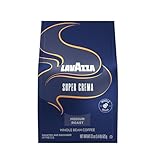
- Premium Choice: Lavazza Super Crema Whole Bean Coffee, Medium Espresso Roast, Arabica and Robusta Blend, 22 oz Bag
Last updated: September 4, 2026
As an Amazon Associate we earn from qualifying purchases at no extra cost to you. Product prices and availability are accurate as of the date shown and are subject to change.


Disclosure: As an Amazon Associate we earn from qualifying purchases. This page contains affiliate links and we may earn a commission at no extra cost to you.
The espresso blend is one of coffee’s great unsung engineering achievements. A roaster takes beans from multiple origins, sometimes multiple species, and composes them the way a perfumer builds a fragrance: one component for sweetness, one for body, one for crema, one to keep the price sane. The goal is a shot that tastes the same in January as it did in July, forgives an imperfect grind, and pours with that dense, tiger-striped crema that makes home espresso feel like the real thing.
That engineering is exactly why blends remain the right default for most home machines. Single origins are a rewarding hobby, but they change with every harvest and punish sloppy technique; a good blend is a moving target that has been deliberately stopped for you. The art is picking the right one for your taste and your drinks, because a blend built for Lisbon café culture, a blonde American roast, and a Roman-style crema blend are three very different animals.
This list spans that spectrum: Delta’s Portuguese intensity, two Starbucks staples at opposite roast poles, two Lavazza benchmarks, and Lifeboost’s organic low-acid premium. All are whole bean, and all assume you are grinding fresh, because no blend survives pre-grinding with its design intact. If you are still deciding on equipment, our home espresso machine guide pairs naturally with everything below.
Quick Comparison
| Product | Price | Rating |
|---|---|---|
| Delta Lote Superior (1 kg) | $29.90 | 4.9/5 |
| Starbucks Blonde Espresso Roast (28 oz) | $26.66 | 4.8/5 |
| Starbucks Espresso Roast (18 oz) | $14.05 | 4.7/5 |
| Lavazza Barista Gran Crema | $22.99 | 4.6/5 |
| Lavazza Espresso 100% Arabica | $22.99 | 4.6/5 |
| Lifeboost Organic Espresso | $28.99 | 4.5/5 |
Why Trust This Guide
See also: Best Airless Sprayer Hoses in 2026: How the Top Models Compare • Premium Link Generators: How to Compare File and Cloud Services
We write from years of pulling daily shots at home, from each blend’s own published composition and roast details, and from the long-run consensus of owners rather than first-week enthusiasm. We never fabricate specs or tasting scores, we say plainly which drinks each blend serves best, and we include both budget and premium picks because good espresso lives at every price.
Delta Lote Superior
Delta is Portugal’s dominant coffee house, and Lote Superior is the blend behind countless Lisbon café counters: a full kilogram of beans composed for the intense, syrupy, crema-rich style of Portuguese espresso. Its 4.9 rating tops this entire list, driven by expats who know exactly what they are buying and converts who did not expect a kilo bag to outclass their boutique purchases.
The profile is dark-leaning intensity with a rounded, almost cocoa-liqueur depth, built to be drunk short and strong or to anchor a galão. The kilogram format is genuine value at $29.90, provided you respect the freshness math of a bag that size and portion it into airtight storage on day one. Drinkers who prefer gentle, bright shots should look at the Blonde or the 100% Arabica instead; this blend has a homeland and an accent, and it is not apologizing for either.
Starbucks Blonde Espresso Roast
Blonde Espresso is the lighter pole of the blend world, a composition developed specifically so that a light roast could survive and shine under nine bars of pressure. The result is citrus and soft caramel with a lighter body, and it changed what mainstream drinkers expect espresso to taste like. The 28-ounce bag is the economical format for households already converted.
As a blend, it keeps light-roast espresso approachable in a way single-origin light roasts rarely manage, extracting forgivingly and consistently bag after bag. It is the obvious pick for iced lattes, vanilla drinks, and anyone who finds traditional espresso roasts heavy. The tradeoff mirrors the appeal, since crema is thinner and the cup can vanish under aggressive milk ratios. Dialing your milk-to-shot balance with a scale and timer matters as much as the bean choice here.
Starbucks Espresso Roast
The original Espresso Roast is the blend that scaled Italian-style espresso to the entire planet, and the 18-ounce whole bean bag remains one of the most cost-effective name-brand espresso purchases anywhere at $14.05. The composition targets dark caramelized sweetness with a smoky edge, engineered to punch through milk, which is precisely why every latte in every Starbucks tastes the way it does.
At home it behaves like the professional product it is: consistent, tolerant of imperfect technique, and unambiguous in flavor. Straight-shot drinkers with a taste for nuance will find it blunt, and that is the honest price of its reliability. As the milk-drink half of a two-bag rotation, or the bag you trust when guests want lattes on demand, it is close to unbeatable. Pair it against the Blonde to taste how dramatically roast level transforms an espresso blend’s personality.
Lavazza Barista Gran Crema
Gran Crema is Lavazza’s love letter to the visual half of espresso. This Arabica-Robusta composition exists to produce thick, persistent, photogenic crema along with a chocolate-hazelnut cup, and it is the blend we recommend most often to owners of entry-level machines whose shots taste fine but look thin. The Robusta fraction is doing honest work here, adding body, caffeine, and that dense foam cap.
In milk it is superb, with cappuccinos that hold their structure and flavor to the last sip. The tradeoff is a mild earthy edge in the finish that purists will catch in straight shots, the classic Robusta signature. At $22.99 for a large bag it is priced like the daily workhorse it is. If your shots still pour thin with this blend, the problem is technique or grind, and logging each adjustment in a barista notebook will find it faster than new beans will.
Lavazza Espresso 100% Arabica
This is the other pole of Lavazza’s blending philosophy: an all-Arabica medium roast composition that trades Robusta’s muscle for aroma, softness, and a honeyed, gently floral cup. It is the blend for people who drink their espresso straight and want elegance rather than impact, and it has been a benchmark for that style for decades.
Because it is still a blend, it keeps the consistency and forgiving extraction that pure single origins cannot promise, making it a lovely daily bean for americano and straight-shot households. Crema is more modest than the Gran Crema produces, by design rather than defect. The 2.2-pound bag rewards storage discipline. Tasting this against its Robusta-fortified sibling is the single most instructive same-brand comparison in espresso, a perfect structured exercise in the spirit of our bean sampler tasting approach.
Lifeboost Organic Espresso
Lifeboost’s espresso roast is the premium specialist of this lineup: USDA Organic, non-GMO, and positioned for drinkers whose stomachs protest ordinary espresso. The beans deliver a notably smooth, low-edge shot with mellow chocolate character, and for its target audience, people who had reluctantly cut back on espresso, it can be genuinely habit-restoring.
At $28.99 it is the most expensive per-ounce option here, and the honest advice is to buy it for the sensitivity story, not as a general upgrade, because drinkers with resilient stomachs can match the smoothness for less elsewhere on this list. As a blend it remains consistent and easy to dial, with no exotic technique required. If gentle is your priority across the whole brew bar, it also plays nicely with slower methods alongside your espresso routine, including a weekend pour over carafe session where its softness reads as silk rather than restraint.
What to Look For in Espresso Blend Beans
Blends hide their engineering behind friendly labels. These are the design choices worth decoding before you buy:
- Arabica-Robusta balance — Robusta adds crema, body, and caffeine; all-Arabica compositions add aroma and softness. Neither is cheap or premium by definition; the ratio is a flavor decision you should make consciously.
- Roast pole — espresso blends now run from blonde to nearly French. Match the roast to your dominant drink: lighter for iced and straight sipping, darker for milk-heavy mornings.
- Intended tradition — Portuguese, Italian, and American blend styles are real and different. A blend built for a galão behaves differently than one built for a venti latte.
- Consistency reputation — the entire point of a blend is repeatability. Established producers with decades of blending history are buying and roasting at a scale that protects you from harvest swings.
- Bag size versus shot count — a kilogram bag at two shots a day is roughly a month of coffee, right at the freshness edge. Do that math before the per-ounce price seduces you.
- Special requirements — organic certification or stomach-friendly positioning, as with Lifeboost, narrows the field quickly and honestly. Pay the premium only for needs you actually have.
Tips for Getting the Most Out of Espresso Blend Beans
Use the blend’s stability as your training ground. Because a good blend tastes the same bag after bag, it is the ideal bean for locking in fundamentals: pick one blend, weigh 18 grams in and aim for 36 out in 25 to 30 seconds, and adjust only grind until that recipe is boringly repeatable. Every espresso skill you build transfers afterward, and faults become legible because the bean is no longer a variable. This is also the fastest way to discover whether your grinder is the weak link, a question our comparison of burr grinding versus pre-ground settles decisively.
Then run a two-blend rotation matched to your actual drinks: one darker, milk-piercing blend and one lighter or all-Arabica option for straight shots, stored separately and clearly labeled. Re-dial when you switch, since blends differ more from each other than bags of the same blend ever will. Keep beans sealed, dark, and at room temperature for the working week, freezing the remainder of large bags in portions. And once your fundamentals feel automatic, borrow one trick from the pros: split a fresh bag into thirds and taste it at one, three, and five weeks post-opening. You will never need convincing about freshness again.
Frequently Asked Questions
What makes a coffee an espresso blend rather than just coffee?
Composition and intent. An espresso blend combines beans from multiple origins, chosen and roasted so the result extracts well under pressure: balanced sweetness, manageable acidity, and solid crema. There is no legal definition, but real espresso blends are designed for the portafilter first, with drip suitability as a side effect.
Do espresso blends with Robusta taste worse than 100% Arabica?
No, they taste different. Quality Robusta in blends like Gran Crema or Lote Superior contributes crema density, body, and a caffeine lift, with a mildly earthy, bittersweet signature. All-Arabica blends are softer and more aromatic. Italian and Portuguese café tradition has used Robusta deliberately for generations; it is a tool, not a shortcut.
How long does an espresso blend stay fresh after opening?
Plan on three to four weeks of peak performance from an opened bag stored airtight, dark, and cool. Crema is the first casualty of staling, so flat, fast-dissipating foam is your early warning. Large formats like Delta’s kilogram bag should be portioned immediately, with the bulk frozen in sealed weekly rations.
Can I brew espresso blends in a drip machine or French press?
Yes, every blend here makes rich, low-acid drip and press coffee. Grind coarser for those methods and expect a heavier cup than typical breakfast roasts, with darker blends like the Espresso Roast turning especially bold. The reverse is less reliable, since filter-oriented roasts often pull harsh or hollow as espresso.
Ready to decide? Our #1 pick for 2026 is the Delta Lote Superior (1 kg).
Live price & availability on Amazon.