Last updated: October 20, 2026
Quick Comparison
| Product | Brand | Price | Rating |
|---|---|---|---|
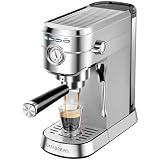
| Fellow Espresso Series 1 Home Espresso Machine – 58mm P… | — | $1499.95 | 4.2/5 |
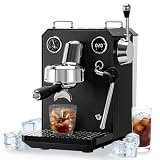
| Chefman CraftBrew Espresso Machine | Chefman | $79.99 | 4.5/5 |
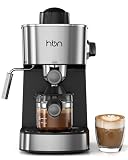
| AMZCHEF Espresso Machine With Grinder | AMZCHEF | $199.99 | 4.7/5 |
Introduction
See also: How to Descale an Espresso Machine: Citric Acid vs Vinegar • Best Electric Kettles: Ten Glass, Steel and Gooseneck Picks Compared
You do not need to spend $500 or more to pull a genuinely satisfying espresso shot at home. The market for espresso machines under $200 has improved dramatically, with several models now offering thermoblock heating, 15-bar pump pressure, and steam wand capability at accessible price points. These picks prove that great home espresso is within reach for most budgets.
What to Look for in a Budget Espresso Machine
- Pump Pressure: Look for a 15-bar pump. While true espresso requires only 9 bars of extraction pressure, 15-bar pumps build adequate pressure through the portafilter for proper extraction.
- Heating System: Thermoblock heaters warm up in 15-30 seconds, far faster than boiler systems in this price range. Consistent temperature is more important than peak temperature.
- Steam Wand: A functional steam wand lets you froth milk for lattes and cappuccinos. Even entry-level wands can produce decent microfoam with practice.
- Portafilter Size: 51mm portafilters are common in budget machines; they work fine but limit your accessory options compared to the 58mm commercial standard.
- Included Accessories: Tampers, baskets, and frothing pitchers add value. Check what is included before comparing prices.
Top Espresso Machine Picks Under $200
De'Longhi EC155M Manual Espresso Machine
The De'Longhi EC155M is a long-standing favorite in the entry-level espresso category. Its dual-function filter holder works with ground coffee or ESE pods, the 15-bar pump delivers adequate pressure, and the swivel steam frother produces decent foam for lattes. The stainless steel boiler provides consistent temperature, and the compact footprint suits small counters. For the price, it is exceptional value and a great way to learn espresso fundamentals before upgrading.
As an Amazon Associate we earn from qualifying purchases at no extra cost to you.




Gevi Espresso Machine 15 Bar with Steam Wand
The Gevi espresso machine offers a semi-automatic experience with 15-bar pump pressure, a thermoblock heating system, and a milk steam wand — all features that typically cost significantly more. The 35 oz removable water tank is large for this price tier, and the stainless steel boiler produces consistent shot temperatures. It includes a tamper, single and double-shot baskets, and a frothing pitcher. An exceptional value for first-time espresso machine buyers.
Nespresso Essenza Mini by Breville
If you prefer capsule convenience over manual grinding and tamping, the Nespresso Essenza Mini by Breville is the most compact and capable option under $200. It uses Nespresso Original Line pods to produce genuine crema-topped espresso and lungo at 19 bars of pressure. Heat-up time is just 25 seconds, and the footprint is tiny enough for any kitchen. Trade-off: you are locked into Nespresso pods, though the third-party pod market is extensive.
What to Realistically Expect From a Budget Espresso Machine
Espresso machines under $200 can make genuinely enjoyable coffee, but it helps to understand their tradeoffs going in. Most budget machines use a single boiler or thermoblock and a pressurized portafilter basket, which is designed to be forgiving—it artificially builds pressure so you can get crema even with a less-than-perfect grind or tamp. This makes them beginner-friendly, though the resulting shot is a bit less nuanced than what a single-wall basket and a precise grind would produce. Many budget machines also list high pressure figures like 15 or 20 bars, but more bars is not better; the actual brewing standard is around 9 bars, and the extra is just the pump’s maximum rating.
The most important thing to know is that the grinder often matters more than the machine at this price. Pairing even a modest espresso machine with a quality burr grinder usually yields better coffee than a fancier machine fed by pre-ground or blade-ground coffee. Budget accordingly—if your total spend allows, splitting it between a simple machine and a real grinder is wiser than pouring everything into the brewer. Capable shots are absolutely achievable under $200, but the path runs through grind quality, fresh beans, and consistent technique rather than the machine’s spec sheet.
Getting the Most From an Affordable Setup
To squeeze the best results from a budget machine, focus on the fundamentals that cost nothing. Weigh your dose and aim for a 1:2 ratio—roughly 18 grams in for 36 grams out over about 25 to 30 seconds—and adjust your grind to land in that window. Use fresh beans roasted within the past few weeks, since stale coffee tastes flat no matter the equipment. A level tamp and even distribution prevent channeling, which is the main cause of sour, watery shots on entry-level machines.
Steaming milk is where many budget machines show their limits, since single-boiler designs make you wait between brewing and steaming and often have weaker steam wands. Work with this by brewing your shot first, then switching to steam mode and giving the boiler a moment to come up to temperature. Purge and wipe the wand after every use, and backflush or rinse the group as your machine allows. Finally, descale on a regular schedule based on your water hardness—limescale buildup is the leading cause of declining performance and premature failure, and consistent maintenance is what lets an inexpensive machine keep delivering good shots for years.
Frequently Asked Questions
Can a cheap espresso machine really make good espresso?
Yes, within limits. Budget machines paired with a quality burr grinder, fresh beans, and good technique can make genuinely enjoyable shots. They are more forgiving and less nuanced than high-end machines, but the fundamentals matter more than the price tag.
Does a higher bar rating mean better espresso?
No. The brewing standard is about 9 bars of pressure. Machines advertising 15 or 20 bars simply list the pump’s maximum rating; the extra pressure is not used during brewing and does not improve the shot.
Should I spend more on the machine or the grinder?
At a budget level, the grinder often has a bigger impact on quality than the machine. If your total budget allows, splitting it between a simple espresso machine and a real burr grinder usually produces better coffee than spending everything on the brewer.
What is a pressurized portafilter and why do budget machines use it?
A pressurized portafilter artificially builds back-pressure so you get crema even without a perfect grind or tamp. This makes budget machines beginner-friendly, at the cost of some nuance compared with single-wall precision baskets.
How do I steam milk on a single-boiler budget machine?
Brew your shot first, then switch to steam mode and wait for the boiler to reach steaming temperature before texturing milk. Single-boiler machines cannot brew and steam at once, so sequencing the steps is key. Purge and wipe the wand after each use.
Final Thoughts
For hands-on espresso learning with maximum value, the De'Longhi EC155M and Gevi machines are excellent choices that will teach you the fundamentals of extraction and frothing. If convenience is paramount and you prefer a capsule system, the Nespresso Essenza Mini delivers consistently great espresso in a beautifully compact package. Any of these machines will dramatically improve your morning coffee without breaking the bank.