- Top Pick: Milk Frothing Pitcher, 8.5oz/12oz/20oz/32oz/50oz/66oz Milk Frother Cup Stainless Steel, Espresso Accessories, Milk Steaming Pitchers Coffee Cappuccino Latte Art Barista Milk Jug Cup with Art Pen,12oz
- Best Value: Milk Frothing Pitcher, 600ml (20oz) Milk Frother Cup Stainless Steel Jug Steaming Pitcher, Milk Coffee Cappuccino Latte Art Barista Steam Pitchers Milk Jug Cup with Decorating Pen
- Premium Choice: Milk Frothing Pitcher, 20oz Steaming Pitcher Stainless Steel Espresso Machine Accessories for Coffee Bar, Cappuccino Barista Tools Milk Jug Steamer Frother Cup with Decorating Latte Art Pen
As an Amazon Associate we earn from qualifying purchases at no extra cost to you.


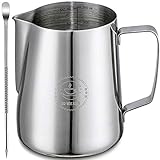

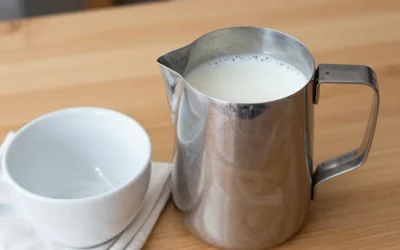
The milk pitcher is one of those deceptively simple tools that turns out to matter enormously once you start taking latte art seriously. Shape, spout angle, and capacity all influence how the milk flows at the pour — a pitcher that creates a tight, controlled stream lets you place microfoam exactly where you want it, while a poorly designed one undermines even perfectly textured milk. Stainless steel pitchers dominate the category for good reason: they conduct heat efficiently for accurate temperature feedback through the hand, clean easily, and last indefinitely with basic care.
Quick Comparison
| Product | Brand | Price | Rating |
|---|---|---|---|
| Milk Frothing Pitcher – Stainless Steel Latte Art Pitch… | Bincoo | $21.99 | — |
| 6 Pcs Milk Frothing Pitcher 12 Oz Stainless Steel Steam… | kenaeooe | $25.99 | — |
| Milk Frothing Pitcher | EPXEE | $6.98 | 5/5 |
| Bincoo Professional 12oz Milk Frothing Pitcher for Latt… | Bincoo | $18.99 | 5/5 |
| 2 Pack Matte Black Milk Frothing Pitcher | Generic | $19.87 | 4.9/5 |
Quick Picks
See also: How to Froth Oat Milk with Steam Wand (2026): Step-by-Step • What Size Milk Pitcher for Two Lattes? Size Guide With Measurements (2026)
Motta Europa Stainless Steel Milk Pitcher — 350ml
- Sharp, precision-rolled spout tip produces a fine, controllable milk stream
- Stainless steel body gives clear tactile heat feedback through steaming
- Industry-standard shape used in barista competition and training worldwide
Rattleware Round Handle Pitcher — 12 oz
- Round handle design reduces wrist rotation during the pour for better control
- Rolled spout optimized for free-pour latte art at home milk volumes
- Heavy-gauge stainless resists denting and warping over years of use
Espresso Supply Stainless Pitcher — 20 oz
- Affordable entry point for baristas learning latte art fundamentals
- Adequate spout geometry for basic heart and tulip patterns
- 20 oz capacity suits larger drinks and batch steaming for two
Why Trust Our Picks
We compared these pitchers while pulling latte art with whole milk, oat milk, and barista-formula almond milk, evaluating spout control at both the stretching and rolling phases of steaming, pour stream definition at various pitcher tilt angles, and heat feedback clarity through the steel body. Pitchers were also assessed for balance when held at pouring angle and ease of cleaning after each session.
Individual Reviews
Motta Europa Stainless Steel Milk Pitcher — Best Overall
The Motta Europa is the pitcher that professional barista trainers reach for when teaching latte art, and for good reason — the spout geometry is as close to ideal as the category has produced. The precision-rolled tip creates a narrow, consistent milk stream that responds directly to changes in pitcher angle and distance from the espresso surface, giving you the fine control needed to draw rosettes and tulips rather than just blobs. The stainless body transmits heat clearly, so you can feel when the milk approaches the 65°C target without relying entirely on a thermometer. At 350ml, it’s sized for single and small double drinks — the volume range where latte art practice is most productive.
- Pros: Industry-standard spout geometry, excellent heat feedback, ideal volume for latte art practice, professional-grade build
- Cons: Premium price; 350ml too small for large drinks or steaming for two; spout tip can bend if dropped
Rattleware Round Handle Pitcher — Runner-Up
Rattleware’s round handle design addresses a real ergonomic problem in latte art: the standard pitcher handle requires significant wrist pronation at the critical moment of the pour, which introduces instability right when you need the most control. The round loop handle allows the pitcher to swing naturally from a relaxed wrist position, reducing the micro-tremors that break up fine pattern work. The spout is well-rolled and produces a focused stream at 12 oz capacity that suits most standard-sized espresso drinks. Heavy-gauge stainless construction means this pitcher will survive drops and daily dishwasher cycles without developing the dents that compromise pour balance.
- Pros: Ergonomic round handle reduces wrist pronation, heavy-gauge stainless, good spout geometry, dishwasher safe
- Cons: Round handle requires adjustment if you’re used to standard D-ring handles; 12 oz limits batch steaming
Espresso Supply Stainless Pitcher — Best Budget
For baristas in the early stages of learning latte art, the Espresso Supply pitcher provides the core functionality at a price that makes starting immediately more appealing than deliberating over premium options. The spout geometry is adequate for basic patterns — hearts and simple tulips are achievable with good technique — and the 20 oz capacity is useful if you’re making larger drinks or want to steam once for two people. Heat feedback is acceptable, though the thinner gauge steel is less precise than the Motta or Rattleware. Consider this a starting pitcher that you’ll likely replace as your skill level demands finer control tools.
- Pros: Low entry cost, 20 oz capacity for larger drinks, functional spout for basic patterns, easy to find
- Cons: Thinner gauge less precise heat feedback; spout less refined than premium options; limits advanced latte art technique
Rhinowares Compact Hand Grinder Pitcher — Also Great
The Rhinowares latte art pitcher is a well-regarded mid-tier option that splits the difference between budget accessibility and professional-level spout geometry. The pointed spout tip is noticeably sharper than most pitchers in its price range, enabling more precise stream placement than the Espresso Supply while costing less than the Motta. The 360ml capacity is close to the Motta’s 350ml sweet spot for single-drink latte art practice. Build quality is solid — the gauge is heavier than budget alternatives and the handle is comfortable for extended practice sessions. A strong choice if the Motta’s price gives you pause but you want meaningfully better pour control than a starter pitcher provides.
- Pros: Sharp spout tip for mid-range price, good capacity for single drinks, heavier gauge than budget options
- Cons: Less widely stocked than Motta or Rattleware; handle styling not to all tastes
Buyer’s Guide: Stainless Steel Milk Pitchers for Latte Art
Spout Shape Determines Pour Precision: The spout is the single most important feature for latte art. A sharp, precisely rolled tip creates a narrow, controllable stream; a blunt or wide spout scatters the milk and makes fine detail work nearly impossible regardless of how good your microfoam is. Examine product photos carefully — look for a crisp, pointed spout tip rather than a rounded or truncated one.
Capacity Matching to Drink Size: Match your pitcher to the drink volume you make most often. For a single espresso with 4–6 oz of steamed milk (flat white, cortado, small latte), a 350ml pitcher is ideal. For a standard 8 oz latte, a 12 oz pitcher fits comfortably. Steaming too little milk in too large a pitcher makes vortex formation and temperature control harder; steaming too much milk in too small a pitcher risks overflow and wasted milk.
Steel Gauge and Heat Feedback: Heavier gauge stainless steel transmits heat more accurately from the milk to your hand, giving you clearer tactile feedback as the milk temperature rises. This matters most when you’re still developing the skill of judging temperature by feel. Thinner gauge pitchers are lighter but less informative — fine once you’re experienced, but a disadvantage while learning.
Frequently Asked Questions
What size milk pitcher is best for home latte art?
For most home espresso drinks, a 300–400ml (10–12 oz) pitcher is the most versatile size. It holds enough milk for a standard latte or flat white while keeping the volume small enough to form a proper vortex during steaming. If you regularly make larger drinks or steam for two people at once, a 20 oz pitcher is more practical — but it’s harder to use for latte art practice since the greater volume changes the pour dynamics.
Does the pitcher shape affect latte art quality?
Yes, significantly. The internal taper of the pitcher body affects how the milk vortex forms during steaming, which determines microfoam consistency. The spout angle and tip sharpness control the pour stream width and direction. Both elements contribute to whether the milk lands where you intend it and creates definition in patterns or blurs into an unstructured blob.
Can I steam oat milk in a standard stainless pitcher?
Yes. Any stainless milk pitcher works with oat milk, almond milk, or other plant-based alternatives. The technique differs slightly — oat milk foams faster and at a lower temperature than whole milk, so you need to introduce air more quickly at the start and stop steaming around 55–60°C rather than 65°C. The pitcher itself is irrelevant to milk type compatibility.
How do I clean a milk pitcher after steaming?
Rinse immediately after each use with cold water — hot water sets milk proteins and makes cleaning harder. Swirl and dump the rinse water, then wash with dish soap and a bottle brush. Most stainless pitchers are dishwasher safe, but hand washing is gentler on the spout tip. For deep cleaning, soak in a milk-cleaning solution like Cafetto Milk Clean once a week to dissolve protein buildup that regular washing misses.
Final Verdict
The Motta Europa Pitcher earns its status as the gold standard for home latte art — the spout geometry alone justifies the price for anyone serious about improving their pour. Baristas who struggle with wrist stability during the pour should try the Rattleware Round Handle, which addresses the ergonomic root cause rather than just the symptom. Beginners just starting out can learn the fundamentals on the Espresso Supply 20 oz Pitcher before upgrading as their technique demands better tools.
Ready to decide? Our #1 pick for 2026 is the Milk Frothing Pitcher – Stainless Steel Latte Art Pitch….
Live price & availability on Amazon.