- Top Pick: CIRCLE JOY Rechargeable Milk Frother Handheld, Dual Coil Whisk Head Electric Coffee Frother, Portable Hand Frother Wand Drink Mixer for Matcha Lattes Cappuccino, Kitchen Gifts, Black
- Best Value: Keurig SimpleCafe Frother, Rechargeable Handheld Milk Frother for Lattes, Cappuccinos & Iced Coffee, USB Cord Included, Microwave-Safe Frothing Cup, Hot & Cold Foam Maker
- Premium Choice: SIMPLETASTE Milk Frother, 4-in-1 Electric Automatic Milk Steamer, Dark Blue
Last updated: September 4, 2026
As an Amazon Associate we earn from qualifying purchases at no extra cost to you. Product prices and availability are accurate as of the date shown and are subject to change.


Disclosure: As an Amazon Associate we earn from qualifying purchases. This page contains affiliate links and we may earn a commission at no extra cost to you.
Cold foam has gone from a coffee-shop novelty to the defining texture of the modern iced latte, and the dirty secret is that it is one of the easiest café drinks to replicate at home. Unlike steamed microfoam, cold foam does not need a boiler or a steam wand — it needs cold milk, a little shear force, and about thirty seconds. The right frother turns skim milk or a barista oat blend into a dense, pourable cloud that floats on cold brew and iced espresso exactly the way it does over the counter.
The catch is that “milk frother” now describes everything from a seven-dollar whisk wand to a countertop machine with eight programs, and they produce very different foam. After running the gamut through our home bar — timing froth cycles, checking foam density, and pouring more iced lattes than we should admit — we have sorted out which frothers actually earn space in a small kitchen. If you want the full drink-building picture, our iced latte and cold foam equipment guide pairs nicely with this roundup.
Quick Comparison
| Product | Price | Rating |
|---|---|---|
| 9oz Automatic Cold Foam Maker | $19.99 | 5.0/5 |
| 8-in-1 Milk Frother & Steamer (600ml) | $69.99 | 5.0/5 |
| 4-in-1 Electric Frother & Steamer | $36.99 | 5.0/5 |
| SIMPLETASTE 4-in-1 Frother | $39.97 | 4.6/5 |
| SIMPLETASTE Handheld Frother | $7.99 | 4.5/5 |
| Maestri House LunaFro Rechargeable | $24.99 | 4.5/5 |
Why Trust This Guide
See also: Best milk for frothing lattes in 2026 • How to steam milk for a latte at home?
We test frothers the way they actually get used at home: same milk, same chill, repeated cycles across dairy, oat, and pea-protein milks, judging foam density, how long the foam holds on an iced drink, noise, and cleanup. Recommendations reflect what we observed at the counter, not spec-sheet promises, and we revisit picks as products are updated.
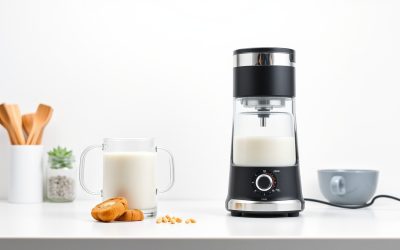
9oz Automatic Cold Foam Maker
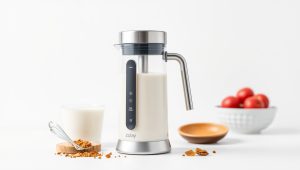
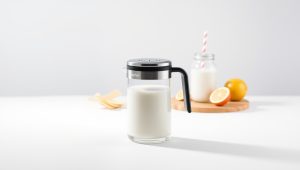
This dedicated cold foam maker is built around one job, and that focus shows. Pour in cold milk, press the button, and it spins up a dense, scoopable foam without you holding anything — a genuine advantage over wand frothers when you are also pulling shots or batching cold brew. The 9-ounce vessel is sized sensibly for one or two drinks’ worth of topping.
It is the pick for the iced-latte devotee who makes cold foam daily and wants consistency above all. The tradeoff is single-mindedness: it will not heat milk for a winter cappuccino, so pair it with whatever hot-milk solution you already own. If your year-round order is sweet cream cold foam over cold brew, this is the most direct route there.
8-in-1 Milk Frother & Steamer (600ml)
This is the countertop flagship of the group: a 600ml automatic frother and steamer with eight programs spanning hot dense foam, hot airy foam, warm milk, and cold foam. The capacity is the headline — it handles milk for two large lattes in one cycle, which makes it the family-kitchen choice rather than a solo gadget.
Foam quality on the cold program is impressively tight, and the hot programs land milk at a sensible serving temperature without scorching. The tradeoffs are footprint and price; it wants permanent counter space. If your household splits between hot cappuccino people and iced latte people, one machine that satisfies both camps justifies the spend. Serve the results in something that shows off the layers — our double-wall latte glass set review has ideas.
4-in-1 Electric Frother & Steamer
The 4-in-1 lands in the sweet spot between the single-purpose foam maker and the full 8-program machine. You get the four modes that matter — hot thick foam, hot thin foam, hot milk, and cold foam — in a compact unit at a mid-range price. For most home baristas, those four programs answer every drink in the rotation.
Cold foam from this unit is slightly lighter than the dedicated maker’s, which some drinkers actually prefer for stirring into the drink rather than spooning. It is the best default recommendation for someone starting from zero: one purchase handles cappuccino mornings and cold brew afternoons. Heavy users who batch large drinks should still look at the 600ml unit above for capacity.
SIMPLETASTE 4-in-1 Frother
SIMPLETASTE’s automatic frother runs the same four-program playbook — warm dense foam, warm airy foam, hot milk, cold froth — from a brand with a long track record in this category. Operation is one-button simple, the non-stick interior wipes clean in seconds, and it works dependably with barista oat blends, which froth differently from dairy.
It is the safe, proven pick for a gift or a first frother, and its cold froth setting makes legitimately good iced-latte topping. The foam ceiling is a notch below the newest dedicated cold foam units, and capacity suits one or two drinks rather than a crowd. If you are pairing it with plant milk, our guide to the best oat milk coffee drinks shows where its foam shines.
SIMPLETASTE Handheld Frother
The humble wand frother remains the gateway gadget, and SIMPLETASTE’s stainless-whisk version is the best-value example we have used. It runs on batteries, lives in a drawer, and whips cold milk into a loose, pourable foam in about thirty seconds of figure-eight motion. For sweet cream cold foam — milk, cream, a little syrup — it is genuinely all you need.
The compromises are real: foam is airier and less uniform than machine-made, your hand is the motor, and results depend on technique. But at this price it is the cheapest possible test of whether cold foam belongs in your routine. We compare wand options in detail in our handheld electric frother wand roundup if you want alternatives.
Maestri House LunaFro Rechargeable
The LunaFro modernizes the wand format: USB rechargeable, supplied with a stand so it lives upright on the counter rather than rolling into a drawer, and noticeably more torque than battery wands. That extra motor strength matters with stubborn milks — it pushes pea-protein and oat blends to a denser foam than budget wands manage.
It is the right call for someone who likes the flexibility and easy cleanup of a wand but wants better foam and no battery shopping. The stand also nudges you to actually use it daily. Like all handhelds, it asks for technique — angle, depth, and timing — which our electric handheld wand frother review walks through step by step.
What to Look For in a Cold Foam Frother
Cold foam puts different demands on a frother than hot milk does, so the buying criteria shift accordingly:
- A true cold program — frothing without heat requires more shear; machines with a dedicated cold cycle produce denser foam than hot-only units run cold.
- Foam density control — pourable foam for layering and thick foam for spooning are different textures; multi-program machines or adjustable technique get you both.
- Capacity — a 9oz vessel tops two drinks; a 600ml machine handles a household. Match the size to your actual mornings.
- Cleanup — non-stick interiors and detachable whisks make daily use realistic; anything that needs disassembly will end up unused.
- Plant-milk performance — oat and pea blends froth differently from dairy; stronger motors and dedicated programs handle them better.
- Footprint and power — countertop machines need outlets and space; rechargeable wands trade some power for portability.
Tips for Getting the Most Out of a Cold Foam Frother
Start with the right liquid. Cold foam holds best when there is protein and a little fat to structure it: skim milk froths surprisingly stiff, a splash of heavy cream makes it luxurious, and barista oat blends are the best dairy-free base. Whatever you choose, froth it straight from the fridge — warmth is the enemy of cold foam structure — and sweeten before frothing, not after, so syrup distributes evenly.
Ratio and pour matter as much as the gadget. Foam roughly a third as much liquid as the drink it tops, pour it over the back of a spoon to keep the layer intact, and serve immediately; even great cold foam slowly drains back into milk after a few minutes. If you want a full recipe to practice with, our cold foam coffee recipe breaks down ratios for sweet cream, vanilla, and matcha versions.
Finally, rinse the whisk or pitcher the moment you pour. Milk residue dries fast, degrades foam quality on the next run, and is the main reason frothers get abandoned. Thirty seconds of immediate cleanup keeps any of the picks above performing like new — and if you later add hot drinks to your repertoire, a full-size milk frother for home espresso can grow with you.
Frequently Asked Questions
What milk makes the best cold foam?
Counterintuitively, lower-fat dairy froths stiffer when cold — skim and 2% build excellent structure, and adding a splash of cream gives the classic sweet-cream texture. Among plant milks, barista oat blends and pea-protein milks foam best; regular almond milk tends to stay thin.
Do I need a special machine, or will a cheap wand work?
A handheld wand absolutely works for occasional cold foam — expect a lighter, airier result and a bit of technique practice. Daily drinkers will appreciate an automatic machine with a dedicated cold program for denser, more repeatable foam with no hand-holding.
Why does my cold foam disappear so quickly?
Usually one of three things: the milk was not cold enough, the liquid lacked protein to hold structure, or the foam was under-frothed. Froth fridge-cold milk a few seconds past where it looks done, and pour it onto the drink immediately rather than letting it sit in the pitcher.
Can I make cold foam without any espresso machine?
Yes — cold foam is entirely independent of espresso gear. It tops cold brew, iced tea, and drip coffee just as well. That is what makes a standalone frother such an easy upgrade: it adds a café signature to whatever you already brew.
Ready to decide? Our #1 pick for 2026 is the 9oz Automatic Cold Foam Maker.
Live price & availability on Amazon.