- Top Pick: What's the Actually Factually Difference?: How to tell the difference between over 150 things that are similar but different!
- Best Value: More Than A Title: Exposing the Difference Between Being Called 'Christian' and Actually Following Jesus
- Premium Choice: Loving My Actual Neighbor: 7 Practices to Treasure the People Right in Front of You
Last updated: October 21, 2026
As an Amazon Associate we earn from qualifying purchases at no extra cost to you.




Latte vs macchiato is one of the most common points of confusion on any coffee menu, and for good reason: the two drinks share the same two ingredients — espresso and milk — yet sit at opposite ends of the milk-coffee spectrum. A latte is a big, mellow, milk-forward drink; a traditional macchiato is a tiny, intense espresso with just a “stain” of milk foam. To make matters worse, the famous caramel macchiato from the big coffee chain is structurally a different drink from the Italian original. This guide settles the differences in ratio, size, taste, caffeine, and technique, so you always know exactly what to order or make.
🛒 Best Price Today on Amazon
Prime members get fast, free shipping on everything above, plus member-only deals. New members get a 30-day free trial — cancel anytime.
Quick Comparison
| Product | Brand | Price | Rating |
|---|---|---|---|
| Rechargeable Milk Frother | Kourice | $9.99 | 4.9/5 |
| Electric Milk Frother Handheld: coffee frother recharge… | yidianideals | $23.99 | 4.7/5 |
| CIRCLE JOY Rechargeable Handheld Milk Frother Wand with… | CIRCLEJOY | $19.99 | 4.6/5 |
| SIMPLETASTE Milk Frother | SIMPLETaste | $39.97 | 4.6/5 |
The Core Difference: Ratio and Size
See also: Bloody Mary Recipe: Classic, Spicy, and Easy • Copycat Starbucks Drink Recipes You Can Make at Home
Everything comes down to how much milk meets the espresso:
| Drink | Espresso | Milk | Typical Size | Character |
|---|---|---|---|---|
| Latte | 1–2 shots | 8–10 oz steamed + thin microfoam | 12–16 oz | Mellow, creamy, milk-forward |
| Traditional macchiato | 1–2 shots | 1–2 teaspoons of foam only | 2–3 oz | Bold, espresso-forward |
| Caramel macchiato (cafe-style) | 1–2 shots poured on top | 8+ oz vanilla milk | 12–16 oz | Sweet, layered, dessert-like |
“Macchiato” means “marked” or “stained” in Italian: a caffè macchiato is espresso marked with a dab of milk foam — just enough to soften the edge without diluting the shot. A caffè latte inverts the proportions: the espresso is the seasoning and the milk is the body, at roughly 1:3 to 1:5. In between live the cortado and cappuccino, which we map out in our cortado vs macchiato vs cappuccino comparison and cappuccino vs latte guide.
Taste and Texture: What You Actually Experience
A latte tastes like sweet, warm milk infused with coffee. The steamed milk’s lactose sweetness rounds off espresso’s bitterness, and the thin microfoam layer gives each sip a silky entry. It is the gentlest introduction to espresso drinks and the canvas for flavored syrups and latte art. A traditional macchiato tastes like espresso, full stop — the foam dab only takes the aggressive edge off the first sip. You get the shot’s full intensity: body, crema, bitterness, and whatever sweetness your beans and extraction deliver. That makes the macchiato unforgiving of mediocre espresso; if your shots taste harsh, fix extraction first with our espresso extraction tips and choose quality beans from our best coffee beans for espresso guide.
Caffeine: Identical Engines, Different Bodies
Here is the counterintuitive part: a latte and a macchiato made with the same number of shots contain the same caffeine. Milk adds zero. A double-shot latte and a double macchiato both deliver about 125 mg (each shot averages ~63 mg). The difference is concentration and speed — a 3 oz macchiato is gone in a few minutes, while a 16 oz latte gets sipped over an hour. If you want maximum alertness per ounce, the macchiato wins; if you want a long, gentle ramp, the latte does.
How to Make Each One at Home
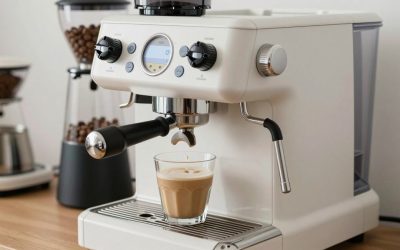
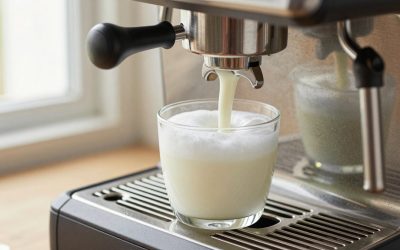
Latte: pull a double shot into a 12 oz cup, steam 8–10 oz of milk to 140–150°F with a thin glossy microfoam, and pour through the center, finishing close to the surface. A solid steam wand or standalone frother is essential — our best milk frother guide covers both, and the close-pour finish is your gateway to designs from our latte art beginner guide.
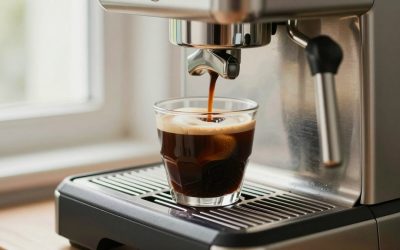
Traditional macchiato: pull a fresh double shot into a small 3 oz cup, froth a small amount of milk until foamy, and spoon one or two teaspoons of foam — mostly foam, minimal liquid milk — onto the crema. Done. It is the fastest milk drink in coffee and a great way to taste what your machine can really do.
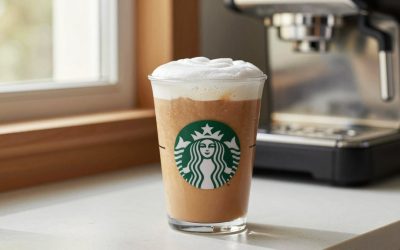
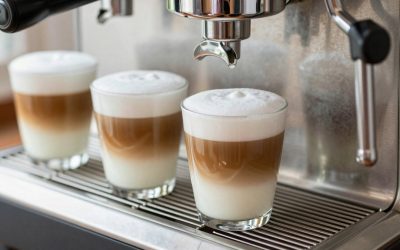
Cafe-style caramel macchiato: vanilla syrup, then steamed milk, then espresso poured on top to “mark” the milk, finished with caramel drizzle — the layered, unstirred construction is the whole point.
Which One Should You Order?
Choose a latte if you want a long, comforting, sippable drink, if you like flavored syrups, or if you are new to espresso. Choose a traditional macchiato if you want espresso intensity with a slightly softened edge, a fast drink, or a near-zero-calorie option (a foam dab adds almost nothing, versus roughly 150 calories of whole milk in a latte). Choose the caramel macchiato when you want dessert. And if the latte feels too milky but the macchiato too fierce, split the difference with a cortado or cappuccino — that middle ground is exactly what our milk-drink comparison guides are for.
A quick note on ordering abroad: in Italy, asking for a “latte” gets you a glass of plain milk — order a caffè latte, and expect it only at breakfast, since Italians treat milky coffee as a morning-only drink. A “macchiato” in an Italian bar always means the traditional espresso version, served in a small cup at the counter. In most other countries, cafe menus follow the larger, milkier interpretations, and “macchiato” increasingly means the caramel-layered drink unless the menu says “espresso macchiato” or “traditional macchiato.” When in doubt, describe the drink by ratio — baristas everywhere understand “a double shot with just a dab of foam.”
Frequently Asked Questions
Which is stronger, a latte or a macchiato?
In flavor, the macchiato — by a mile. It is essentially straight espresso with a dab of foam, while a latte dilutes the same espresso into 8–10 oz of milk. In total caffeine, they are equal at the same shot count.
Why is the coffee-chain macchiato so different from the Italian one?
The chain borrowed the “marked” concept but flipped it: instead of marking espresso with milk, it marks a tall vanilla milk with espresso poured on top. Same word, structurally a sweet layered latte.
Does a macchiato have more caffeine than a latte?
No — caffeine depends only on the espresso. A double of either is about 125 mg. The macchiato just delivers it in 3 oz instead of 12–16 oz.
Is a macchiato just an espresso with milk?
Almost — it is espresso with a spoonful of milk foam, not liquid milk. Espresso with a splash of steamed milk leans toward a cortado; equal parts espresso and milk is squarely a cortado.
Which has fewer calories?
The traditional macchiato, easily — its teaspoon of foam adds under 10 calories, while a 12 oz whole-milk latte carries roughly 150. Ordering a latte with nonfat or oat milk narrows the gap but never closes it.