Last updated: October 21, 2026
As an Amazon Associate we earn from qualifying purchases at no extra cost to you.


![Artisan Cheese Making at Home: Techniques & Recipes for Mastering World-Class Cheeses [A Cookbook]](https://m.media-amazon.com/images/I/515gLc-xV4L._SL160_.jpg)




This chai latte recipe gives you the cozy, spiced cafe favorite at home — real black tea simmered with whole spices, sweetened, and finished with frothy steamed milk. Most coffee shop chai lattes are made from sweetened concentrate or powder, which is fast but one-dimensional. Brewing your own masala chai base takes about fifteen minutes, costs pennies per cup, and lets you control the spice intensity, sweetness, and caffeine. This guide covers the authentic spice blend, the step-by-step stovetop method, a make-ahead concentrate, an iced version, and the dirty chai for days when tea alone will not cut it.
Quick Comparison
| Product | Brand | Price | Rating |
|---|---|---|---|
| Spiced Chai Black Tea Concentrate – 4 pack | Generic | $36.9 | 5/5 |
| Metolius Chai | MetoliusTea | $21.25 | 4.9/5 |
| Maya Chai Tea Concentrate | MayaTea | $59.99 | 4.8/5 |
| TAZO Classic Chai Latte Concentrate 32 oz Carton – Prem… | — | $5.88 | 4.7/5 |
What Is a Chai Latte?
See also: Bloody Mary Recipe: Classic, Spicy, and Easy • Copycat Starbucks Drink Recipes You Can Make at Home
“Chai” simply means tea in Hindi; the drink Western cafes call a chai latte is based on masala chai — “spiced tea” — a centuries-old Indian preparation of strong black tea simmered with milk, sweetener, and warming spices. The cafe version adapts that into latte format: a concentrated spiced tea base topped with steamed, frothed milk. The classic spice backbone is cardamom, cinnamon, ginger, cloves, and black peppercorns, riding on a robust black tea like Assam. Unlike coffee drinks, the base is tea, so a chai latte carries gentler caffeine — roughly 40–70 mg per cup depending on strength, versus about 125 mg for a double-shot latte.
Ingredients for the Real Thing
For two mugs of chai latte you will need:
- 2 cups water
- 2 tablespoons loose Assam black tea (or 3–4 strong black tea bags)
- 6 green cardamom pods, lightly crushed
- 1 cinnamon stick
- 4 whole cloves
- 6 black peppercorns
- 1-inch piece fresh ginger, sliced (the single most important spice — do not skip it)
- 2–3 tablespoons sugar, honey, or maple syrup
- 1.5 cups milk — whole dairy or barista oat milk both froth and pair beautifully; see our favorite oat milk drink ideas for non-dairy inspiration
- Optional: star anise, fennel seeds, or a scrape of nutmeg
Step-by-Step Stovetop Method
- Step 1 — Wake the spices. Lightly crush the cardamom, cloves, and peppercorns and toast them in a dry saucepan for 30–60 seconds until fragrant.
- Step 2 — Simmer. Add water, ginger, and cinnamon stick; bring to a boil, then simmer 5 minutes to extract the spices.
- Step 3 — Add tea. Stir in the black tea and simmer 2–3 minutes more. Strong is correct — milk will soften it.
- Step 4 — Sweeten and strain. Stir in sugar to dissolve, then strain the concentrate through a fine sieve.
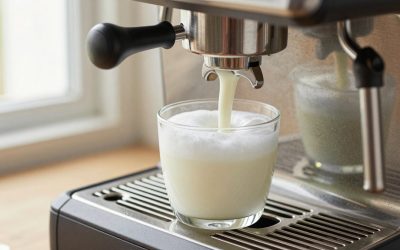
- Step 5 — Froth the milk. Steam or froth milk to 140–150°F with a loose, creamy foam. A handheld or electric unit from our milk frother and steamer guide makes this a ten-second job.
- Step 6 — Combine. Fill each mug halfway with chai concentrate, top with steamed milk and foam, and dust with cinnamon.
Make-Ahead Concentrate, Iced Chai, and the Dirty Chai
Triple the recipe through step 4 and refrigerate the strained concentrate for up to a week — then any chai latte is 60 seconds away: half concentrate, half hot frothed milk. For an iced chai latte, pour chilled concentrate over a full glass of ice, top with cold milk, and finish with cold foam if you are feeling fancy — our cold foam recipe works just as well on tea as on coffee. The dirty chai adds a shot of espresso to a chai latte, layering coffee’s roasted depth over the spice — a brilliant bridge drink for coffee lovers, and an easy upgrade if you brew espresso at home already. Prefer to skip caffeine entirely? Rooibos makes a naturally caffeine-free chai base, and our guide to coffee alternatives like matcha and chicory has more warm-mug ideas.
Pro Tips for Deeper Flavor
Fresh ginger and freshly crushed whole spices are non-negotiable — pre-ground chai spice blends fade within weeks, while whole pods keep their oils for a year. Simmer spices before adding tea: spices want minutes of extraction, tea wants only a couple before turning tannic. Use a bold, malty Assam rather than a delicate tea; it is the only base that stands up to milk and spice. Sweeten the concentrate, not the cup — sugar dissolved hot integrates better. And if you take your chai on the road, a good travel mug keeps the spices aromatic for hours, while a mug warmer saves your desk cup from going lukewarm.
Once you have made the base recipe twice, start tuning the spice profile to your taste. More ginger pushes the chai sharp and warming — the style served at Indian railway stalls. Extra cardamom takes it floral and perfumed. A few fennel seeds add a gentle licorice sweetness common in Gujarati households, while a single star anise deepens the whole blend. Keep notes on your ratios the same way you would when dialing in espresso: change one spice at a time, taste, and adjust. Within three or four batches you will have a house chai blend that no concentrate in a carton can match.
Frequently Asked Questions
What is in a chai latte?
Strong black tea simmered with spices — typically cardamom, cinnamon, ginger, cloves, and black pepper — sweetened and topped with steamed, frothed milk. Cafe versions usually use a pre-made sweetened concentrate.
Does a chai latte have caffeine?
Yes, from the black tea: roughly 40–70 mg per cup depending on strength — about half a double-shot latte. A dirty chai adds an espresso shot’s ~63 mg on top. Rooibos-based chai is caffeine-free.
What is a dirty chai latte?
A chai latte with a shot of espresso added. The roasty coffee bitterness against the sweet spice is one of the best flavor combinations on any cafe menu, and it is trivially easy to make at home.
Can I make a chai latte without a frother?
Yes — shake hot milk in a sealed jar for 30 seconds (use a towel and leave headroom), whisk vigorously, or use a French press plunger to froth. The drink still works with plain hot milk; foam is a bonus.
Is a chai latte healthier than coffee?
It depends on sugar. Homemade chai with modest sweetener is a light, antioxidant-rich drink with moderate caffeine. Cafe versions made from concentrate can carry 30–40 grams of sugar — more than some desserts — which is the strongest argument for making it yourself.