- Top Pick: One at Home
- Best Value: One at Home
- Premium Choice: Watercolor Painting at Home: Easy-to-follow painting projects inspired by the comforts of home and the colors of the garden (Volume 1)
Last updated: October 21, 2026
As an Amazon Associate we earn from qualifying purchases at no extra cost to you.




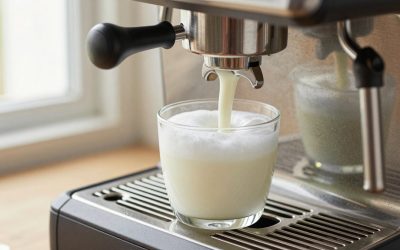
Cafe au lait is the simplest milk coffee in the world — equal parts strong brewed coffee and hot milk — and yet it is constantly confused with lattes, flat whites, and every other drink on the cafe menu. The French breakfast classic needs no espresso machine, no frothing skill, and no syrup: just good coffee, properly heated milk, and a wide bowl or mug to drink it from. This guide explains exactly what a cafe au lait is, how it differs from a latte, how to make an authentic one at home with whatever brewer you own, and the New Orleans chicory variation that turned this French staple into an American icon.
🛒 Best Price Today on Amazon
Prime members get fast, free shipping on everything above, plus member-only deals. New members get a 30-day free trial — cancel anytime.
Quick Comparison
| Product | Brand | Price | Rating |
|---|---|---|---|
| Rechargeable Milk Frother | Kourice | $9.99 | 4.9/5 |
| Zulay Kitchen Original Frother Stand – Sturdy | ZulayKitchen | $8.99 | 4.7/5 |
| Electric Milk Frother Handheld: coffee frother recharge… | yidianideals | $23.99 | 4.7/5 |
| Maestri House Barista-Grade Milk Frother | MaestriHouse | $45.99 | 4.7/5 |
What Is a Cafe au Lait?
See also: Bloody Mary Recipe: Classic, Spicy, and Easy • Copycat Starbucks Drink Recipes You Can Make at Home
Cafe au lait translates literally to “coffee with milk,” and in France that is exactly what it is: strong brewed coffee — traditionally from a press pot — combined roughly 50/50 with hot milk. It is a breakfast drink, often served in a wide, handle-less bowl meant for dunking croissants or tartines. The key distinction from Italian-style drinks is the coffee base: a cafe au lait uses brewed coffee, not espresso. The milk is heated and lightly textured but not capped with thick foam. The result is gentler and more quaffable than a latte — bigger, less intense, and built for lingering over breakfast rather than knocking back at a bar.
Cafe au Lait vs Latte vs Flat White
This trips up almost everyone, so here is the breakdown:
| Drink | Coffee Base | Milk Ratio | Foam |
|---|---|---|---|
| Cafe au lait | Strong brewed coffee | ~1:1 | Little to none |
| Latte | Espresso | ~1:3 to 1:5 | Thin microfoam layer |
| Flat white | Espresso (often ristretto) | ~1:2 to 1:3 | Velvety microfoam |
| Cappuccino | Espresso | ~1:1.5 | Thick foam cap |
Because the base is brewed coffee rather than espresso, a cafe au lait tastes rounder and less concentrated, even at a 1:1 milk ratio. For a deeper dive into the espresso side of this table, see our cappuccino vs latte guide and our cortado vs macchiato vs cappuccino comparison.
How to Make a Cafe au Lait at Home
- Step 1 — Brew strong coffee. A French press is traditional, but pour over or drip works fine. Use a slightly tighter ratio than usual — about 1:14 coffee to water — so the milk does not wash the cup out. Our coffee to water ratio guide has exact gram measurements, and if you are torn between brewers, our French press vs pour over comparison settles it.
- Step 2 — Heat the milk. Warm whole milk to 140–150°F (60–65°C) on the stove, in the microwave, or with a frother set to heat. You want hot, lightly aerated milk, not stiff foam — a simple device from our milk frother and steamer guide makes this effortless.
- Step 3 — Pour together. The classic French service pours coffee and milk into the bowl simultaneously from both hands, blending them in the cup. At home, pour the coffee first and add milk to taste, starting at 50/50.
- Step 4 — Serve in a wide cup or bowl. The wide opening releases aroma and, importantly, accommodates pastry dunking.
The New Orleans Cafe au Lait
The most famous variation comes from New Orleans, where Café du Monde made the chicory cafe au lait inseparable from beignets. Chicory root — roasted and ground — was blended into coffee during 19th-century shortages and stayed because Louisianans grew to love its dark, woody, slightly chocolatey bitterness. A New Orleans cafe au lait uses coffee brewed with chicory (Café du Monde and French Market are the classic tins), mixed half and half with hot milk, traditionally scalded rather than just warmed. The chicory adds body that stands up beautifully to milk. Curious about chicory on its own? Our guide to coffee alternatives like chicory and matcha covers it in depth.
Tips for a Better Bowl
Use a medium or medium-dark roast — bright, fruity light roasts tend to turn sour against milk, while a rounder roast melts into it; our coffee tasting notes guide helps you pick flavor profiles that pair with dairy. Brew strong: the most common cafe au lait mistake is normal-strength coffee that tastes like warm milk soup once combined. Heat milk gently and never boil it; scorched milk turns sweetness into a cooked, sulfurous note. Whole milk is traditional and gives the silkiest body, but oat milk is an excellent dairy-free stand-in. Finally, warm your cup or bowl first — a 50 percent milk drink in a cold vessel goes lukewarm fast.
Serving a crowd is where the cafe au lait truly shines over espresso drinks. Because the base is brewed coffee, you can make a full press pot or drip carafe and a saucepan of hot milk at the same time, then pour both at the table French-style — no pulling shots one by one while guests wait. For a weekend brunch, brew the coffee at double strength, keep the milk just below a simmer, and let everyone blend their own ratio in wide bowls. Add a basket of croissants for dunking and you have recreated a Parisian breakfast with equipment you already own.
Frequently Asked Questions
What is the difference between a cafe au lait and a latte?
The coffee base. A cafe au lait is strong brewed coffee with hot milk at roughly 1:1; a latte is espresso with about three to five times as much steamed milk plus a thin layer of microfoam. The latte is more concentrated at its core; the cafe au lait is rounder and lighter.
How much caffeine is in a cafe au lait?
Made with 6 oz of strong brewed coffee, roughly 70–100 mg — typically a bit less than a 12 oz drip coffee but slightly less than a double-shot latte’s ~125 mg.
Do I need an espresso machine for a cafe au lait?
No — that is the beauty of it. A French press, pour over, drip machine, or moka pot all work. Authentic French versions use press-pot coffee, not espresso.
What milk is best for cafe au lait?
Whole milk, heated to about 140–150°F. Its fat carries the coffee flavor and gives the drink its signature silkiness. Barista oat milk is the best non-dairy substitute.
Why does Café du Monde coffee taste different?
Chicory. New Orleans-style cafe au lait blends roasted chicory root with the coffee, adding a dark, slightly sweet, woody depth you will not find in plain coffee — and it pairs perfectly with powdered-sugar beignets.