Last updated: September 4, 2026
As an Amazon Associate we earn from qualifying purchases at no extra cost to you.





Learning how to make a latte at home is the single most useful skill for anyone who loves cafe drinks, because the latte is the foundation: master espresso plus silky steamed milk and you can build nearly everything else on the menu. A proper latte is a double shot of espresso combined with about 8–10 ounces of steamed milk and finished with a thin layer of glossy microfoam — warm, sweet, and smooth enough that you do not need sugar. This guide covers the ratio, the milk steaming technique that trips up most beginners, machine-free alternatives, and the path from a plain white circle of foam to your first latte art heart.
Quick Comparison
| Product | Brand | Price | Rating |
|---|---|---|---|
| Milk Frothing Pitcher – Stainless Steel Latte Art Pitch… | Bincoo | $17.99 | 5/5 |
| Milk Frothing Pitcher | EPXEE | $6.98 | 5/5 |
| 12oz Frothing Pitcher | YOLCAR | $5.99 | 5/5 |
| Bincoo Professional 12oz Milk Frothing Pitcher for Latt… | Bincoo | $18.99 | 5/5 |
What Makes a Latte a Latte
See also: Bloody Mary Recipe: Classic, Spicy, and Easy • Copycat Starbucks Drink Recipes You Can Make at Home
A latte (from the Italian caffè latte, “milk coffee”) follows a simple formula: one part espresso to roughly three to five parts steamed milk, capped with about a centimeter of microfoam. The standard 12 oz home latte uses a double shot (about 2 oz) and 8–10 oz of milk. That ratio is what separates it from its siblings — a cappuccino runs much foamier at roughly equal thirds of espresso, milk, and foam, while a flat white tightens the ratio with less milk and thinner foam. If those distinctions interest you, our cappuccino vs latte explainer goes deep on ratios and taste.
Equipment and Ingredients
- Espresso: a double shot, freshly pulled. Any machine with decent pressure works — see our best espresso machines for home if you are shopping.
- Milk: 8–10 oz. Whole milk steams sweetest and most forgiving; barista oat milk is the best non-dairy option.
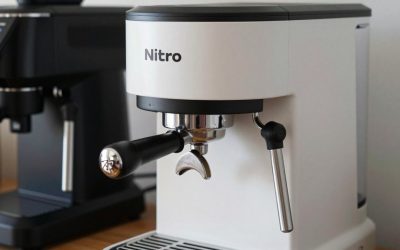
- Steam wand or frother: a machine’s steam wand gives the most control, but a standalone unit from our best milk frother guide produces excellent microfoam too.
- Milk pitcher: a 12–20 oz stainless pitcher with a pointed spout — essential for pouring; our milk pitcher guide explains what to look for.
- Fresh beans: medium to medium-dark roasts shine through milk; our best coffee beans for espresso roundup has milk-friendly picks.
Step 1: Pull a Proper Double Shot
Dose around 18 grams of finely ground coffee, tamp level and firm, and aim to extract roughly 36 grams of espresso in 25–30 seconds. If the shot gushes fast and tastes sour, grind finer; if it drips slowly and tastes harsh, grind coarser — our espresso grind size guide walks through dialing in step by step. Pull the shot directly into your latte cup or a small pitcher, and start steaming milk right away: espresso’s crema and aromatics fade within a couple of minutes.
Step 2: Steam Silky Microfoam
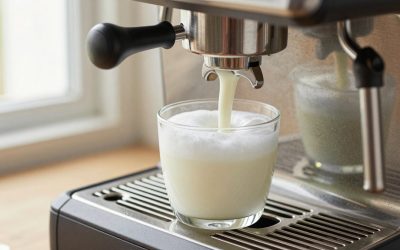
This is where lattes are won or lost. Fill your pitcher to just below the spout notch with cold milk. Purge the steam wand, then position the tip just below the milk surface, slightly off-center. Open the steam fully and listen for a gentle paper-tearing hiss — that is air being stretched into the milk. Stretch for only the first 3–5 seconds for a latte, then sink the tip deeper to create a whirlpool that spins the milk and breaks big bubbles into microfoam. Heat until the pitcher is just too hot to hold comfortably — about 140–150°F (60–65°C). Beyond 160°F milk loses its sweetness. Finish by tapping the pitcher on the counter and swirling until the milk looks like wet paint: glossy, uniform, no visible bubbles.
Step 3: The Pour (and Your First Latte Art)
Swirl the espresso, then pour the milk from a few inches up in a thin, steady stream into the center of the cup — height helps the milk dive under the crema and blend. When the cup is about two-thirds full, drop the pitcher spout close to the surface and speed up slightly; the white foam will begin surfacing. Finish by lifting and cutting a thin stream through your design. That close-pour finish is the gateway to hearts, tulips, and rosettas — our latte art beginner guide takes it from there. Want flavor? Add a pump of syrup to the espresso before pouring; our favorite coffee syrup flavors are ranked here.
No Espresso Machine? Three Workarounds
You can still make a very good latte-style drink. Option one: brew strong concentrated coffee in a moka pot and heat-froth milk with a standalone frother. Option two: use an AeroPress with a fine grind and short brew for a concentrated shot-like base. Option three: for iced lattes, simply pour fresh concentrated coffee over cold milk and ice — no steaming required. The texture will not perfectly match machine microfoam, but the ratio principles are identical, and a quality frother covers most of the gap.
Troubleshooting Common Latte Problems
If your latte tastes weak, the milk volume is usually the culprit — drop from 10 oz to 8 oz before changing anything about the shot. If it tastes bitter even with good milk, your espresso is over-extracted: coarsen the grind slightly or shorten the shot. A latte that separates into layers means the milk was poured too gently from too low; pour with more height early so it integrates. And if your foam disappears by the time you finish pouring, the milk was under-stretched — give it an extra second or two of air at the very start of steaming. Each fix is small, and dialing them in one at a time beats changing everything at once.
Frequently Asked Questions
What is the ratio of espresso to milk in a latte?
Roughly 1:3 to 1:5 — typically a double shot (2 oz) with 8–10 oz of steamed milk in a 12 oz cup, topped with about a centimeter of microfoam.
What temperature should latte milk be?
140–150°F (60–65°C). That range maximizes perceived sweetness. Above about 160°F, milk proteins break down and the drink tastes flat and cooked.
How much caffeine is in a latte?
A double-shot latte contains about 125 mg of caffeine — all from the espresso, since milk adds none. A single-shot latte has around 63 mg.
Why is my latte foam bubbly instead of silky?
Too much air introduced too late, or no whirlpool. Stretch only in the first few seconds, then submerge the wand tip to spin the milk. After steaming, tap and swirl the pitcher until the surface turns glossy.
Can I make a latte with cold milk?
As an iced latte, yes — espresso over ice and cold milk, no foam needed. A hot latte requires steamed or heat-frothed milk; cold milk poured into espresso is closer to a flat coffee with milk.