- Top Pick: Katae Coffee cups, Cubano Mini disposable Colada, Cuban Style and espresso coffee cups 3/4 oz. (250 Pack)
- Best Value: Mini Disposable Cuban Style and Espresso Coffee Cups 3/4 oz. Pack of 500
- Premium Choice: Artizan Coffee Organic Cuban Espresso Cafecito ESE Pods | Cuba Mia Blend | 55mm Single Serve | 12 Double Shot Pods | High Intensity | Dark Roast | Low Acidity | 14g Each | Roasted in South Florida
Last updated: September 12, 2026

Prime
Best Seller
Bincoo Blue Moka Pot 6 Cups, Espresso Maker Stovetop, Aluminum Espresso Pot Classic Italian Coffee Maker,Single Safety Valve

Editor's Pick
IMUSA 6 or 3 Cup Electric Espresso Maker Black Coffee Machine for Cuban Coffee, Moka and Espresso Drinks


Prime
Top Rated
Bialetti – Moka Express: Iconic Stovetop Espresso Maker, Makes Real Italian Coffee, Moka Pot 1 Cup (2 Oz – 60 Ml), Aluminium, Silver
Cuban espresso — known affectionately as cafecito — is one of the most beloved coffee traditions in the Americas, and you can make a genuinely authentic cup at home with nothing more than a moka pot, dark roast coffee, and white sugar. What sets a cafecito apart is the espumita: a pale, creamy sugar foam whipped from the first drops of brewing coffee, which crowns each tiny cup with intense sweetness. This guide covers the history, the traditional technique, the whole family of Cuban coffee drinks, and the small details that make the difference between sweet coffee and the real thing.
As an Amazon Associate we earn from qualifying purchases at no extra cost to you.


🛒 Best Price Today on Amazon
Prime members get fast, free shipping on everything above, plus member-only deals. New members get a 30-day free trial — cancel anytime.
Quick Comparison
| Product | Brand | Price | Rating |
|---|---|---|---|
| Bincoo Blue Moka Pot 6 Cups | Bincoo | $13.45 | 4.8/5 |
| IMUSA 6 or 3 Cup Electric Espresso Maker Black Coffee M… | VisitIMUSA | $37.49 | 4.7/5 |
| Bialetti Moka Express Iconic Italian Stovetop Espresso … | Bialetti | $54.99 | 4.6/5 |
| Bialetti – Moka Express: Iconic Stovetop Espresso Maker | Bialetti | $29.99 | 4.6/5 |
What Makes Cuban Espresso Different
See also: Bloody Mary Recipe: Classic, Spicy, and Easy • Copycat Starbucks Drink Recipes You Can Make at Home
Technically, traditional Cuban coffee is not machine espresso at all — it is strong, concentrated coffee brewed in a stovetop moka pot (called a cafetera or greca in Cuban households), then sweetened with demerara or white sugar whipped into a foam. Coffee arrived in Cuba in the mid-1700s and the island became a major producer; the cafecito ritual traveled with Cuban families to Miami, where ventanitas (walk-up coffee windows) made it a cornerstone of the city’s daily rhythm. The defining characteristics: a dark, often robusta-blended roast for body and punch, brewing strength closer to espresso than drip, and sugar incorporated during — not after — the brewing process. The result is small, thick, very sweet, and powerful.
Ingredients and Equipment
- Finely ground dark roast coffee — Cuban-style brands like Café Bustelo, Pilon, or La Llave are the classics; any bold dark roast coffee ground fine (but not quite espresso-fine) works
- White or demerara sugar — about 1 tablespoon per 2 shots; this is not optional in a traditional cafecito
- A moka pot — the traditional brewer; see our roundup of the best moka pot coffee makers if you need one
- A small metal or glass pitcher for whipping the espumita
- Demitasse cups — cafecito is served in tiny pours; a proper espresso cup set completes the ritual
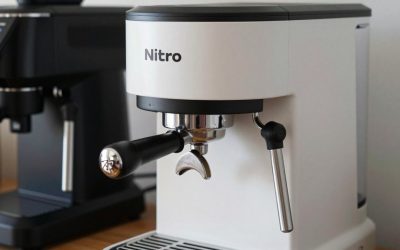
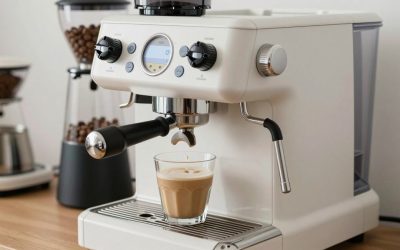
An espresso machine works perfectly well too — many Cuban cafes in Miami use commercial machines — so if you own one of the picks from our best espresso machines under $200 guide, use it. The espumita technique is identical.
Step-by-Step: How to Make a Cafecito
- Step 1 — Load the moka pot. Fill the bottom chamber with water to just below the valve, fill the basket with finely ground dark roast, and level it without tamping hard. Getting grind right matters; our grind size guide explains the fine-but-not-powder zone moka pots like.
- Step 2 — Add sugar to your pitcher. Spoon 1 tablespoon of sugar into a small pitcher or cup for every 2–3 servings you are brewing.
- Step 3 — Brew on medium heat. Place the moka pot on the stove with the lid open so you can watch the first coffee emerge.
- Step 4 — Capture the first drops. The moment coffee begins flowing, spoon the first teaspoon or two — the strongest, most concentrated part — over the sugar.
- Step 5 — Whip the espumita. Beat the sugar and coffee drops vigorously with a spoon for one to two minutes until it turns into a thick, pale, caramel-colored paste that ribbons off the spoon. This is the heart of the drink.
- Step 6 — Combine. When the rest of the coffee finishes brewing, pour it slowly into the pitcher over the sugar paste, stirring gently. A layer of golden foam rises to the top.
- Step 7 — Serve immediately in demitasse cups, making sure every cup gets a share of the espumita.
The Cuban Coffee Family: Cortadito, Colada, and Café con Leche
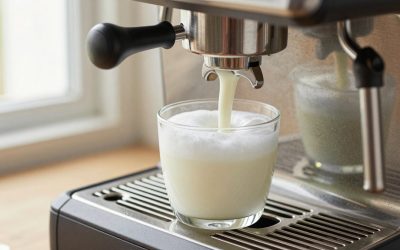
Master the cafecito and you have unlocked the whole menu. A cortadito is a cafecito “cut” with an equal splash of steamed milk — Cuba’s answer to the cortado. A colada is a large 4–6 shot batch served in a styrofoam cup with tiny thimble cups for sharing; it is a social drink meant to be distributed among coworkers and friends, not consumed solo. A café con leche is the breakfast version: a cafecito poured into a cup of hot steamed milk, perfect for dunking buttered Cuban toast. The milk drinks benefit from proper steaming — a good frother from our milk frother and steamer guide gets you there without a machine.
Pro Tips for Better Espumita
The espumita rewards patience. Use only the first, syrupy drops of coffee — if you add too much liquid, the foam collapses into sweet coffee instead of whipping into a paste. Whip harder and longer than feels necessary; the mixture should lighten dramatically in color, almost to beige. Demerara sugar gives a deeper molasses note, while white sugar whips slightly fluffier. Keep your heat at medium — scorched moka pot coffee turns bitter and acrid, overwhelming the sugar. And drink it fresh: a cafecito is a 90-second espresso-style experience, not a sipping drink. If you fall in love with the style, a portable espresso maker can even bring cafecitos to your campsite.
Frequently Asked Questions
What is the difference between Cuban espresso and regular espresso?
The brewing strength is similar, but a cafecito is defined by sugar whipped into an espumita foam during brewing, traditionally using a moka pot and a dark, robusta-leaning roast. Regular espresso is served unsweetened with natural crema.
How much caffeine is in Cuban coffee?
A single cafecito serving carries roughly 60–100 mg depending on the blend — Cuban-style roasts often include robusta beans, which contain about double the caffeine of arabica. A shared colada can total several hundred milligrams, which is exactly why it comes with sharing cups.
Do I need Café Bustelo to make Cuban coffee?
No, though it is the iconic choice. Any finely ground dark roast with body and low acidity works. The technique — moka pot strength plus whipped sugar foam — matters more than the brand.
Can I make a cafecito with an espresso machine?
Absolutely. Pull your shots normally and whip the first few drops with sugar exactly the same way. Many Cuban cafes in Miami brew on commercial espresso machines.
Why won’t my espumita get foamy?
Almost always too much liquid. Start with just a teaspoon or two of the very first brewed drops, and whip vigorously for a full minute or more. The mix should turn thick and pale before you add the rest of the coffee.