- Top Pick: OXO Brew Conical Burr Electric Coffee Bean Grinder – 12 Oz, Matte Black
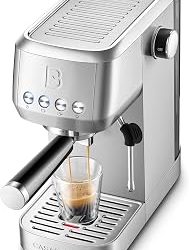
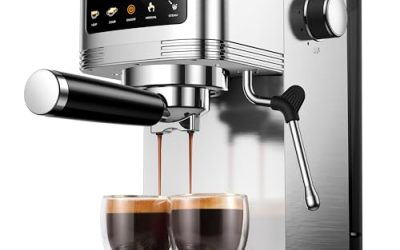
- Best Value: Gevi 20 Bar Espresso Machine with Grinder & Steam Wand for Latte Cappuccino
- Premium Choice: SHARDOR Conical Burr Espresso Coffee Grinder Electric with Precision Timer 2.0, Touchscreen Adjustable Burr Mill with 51 Precise Settings for Home Use, Anti-static, Stainless Steel
Last updated: October 4, 2026
Grind size is the single biggest variable standing between you and a great shot of espresso. Get it wrong and you’ll pull sour, watery shots or bitter, over-extracted ones no matter how good your beans or machine are. Get it right and you’ll unlock the sweetness, body, and crema that make espresso worth making at home in the first place.
This guide walks through the mechanics of dialing in your grind, what equipment actually matters, and how to troubleshoot the most common problems. It’s written for anyone using a real espresso machine with a portafilter, from entry-level setups to prosumer gear.
As an Amazon Associate we earn from qualifying purchases at no extra cost to you.






⚡ Save on Your Next PC — Amazon Prime
Prime members get fast free shipping on the systems above, plus early access to Prime Day & Black Friday PC deals. New members get a 30-day free trial.
- Watch: How to Dial In Your Espresso Grind for Optimal Flavor — Video Review
- Why Grind Size Controls Everything
- Burr Grinders vs. Blade Grinders
- Dialing In: A Step-by-Step Method
- Matching Your Grinder to Your Machine
- When You Don’t Have Time to Grind
- Tips for Consistent Results
- Frequently Asked Questions
- Conclusion
- Related Articles
- Related Guides
Watch: How to Dial In Your Espresso Grind for Optimal Flavor — Video Review
Why Grind Size Controls Everything
See also: The Best Espresso Subscription Boxes for Coffee Aficionados • 8 Best Espresso Machines for Under $1000: Prosumer Powerhouses
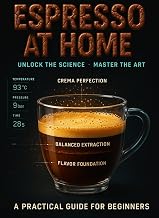
Espresso is defined by extracting flavor under pressure (typically 9 bars) in a short window, usually 25-30 seconds for a double shot. Grind size determines how much resistance the water meets as it pushes through the puck. Too coarse and water rushes through in under 20 seconds, pulling a thin, sour shot. Too fine and water struggles to pass at all, choking the shot and pulling bitter, ashy flavors after 35-40 seconds.
- Espresso grind sits between fine table salt and powdered sugar in texture.
- A 1-click adjustment on most grinders can shift shot time by 3-5 seconds.
- Bean freshness changes ideal grind size week to week as beans degas.
Burr Grinders vs. Blade Grinders
Espresso demands a consistent particle size, and only burr grinders deliver that. Blade grinders chop unevenly, producing a mix of chunks and dust that extracts inconsistently in every direction at once. A conical or flat burr grinder with dedicated espresso settings is non-negotiable if you’re serious about dialing in shots.
- The OXO Brew Conical Burr Electric Coffee Bean Grinder is a solid entry point for drip and moka pot users stepping toward finer grinds.
- The SHARDOR Conical Burr Espresso Coffee Grinder offers 51 precise settings with a touchscreen timer, giving you the granularity espresso actually needs.
- The Breville Smart Grinder Pro adds 60 grind settings and dose-by-time control, which pairs well with portafilter baskets of different sizes.
Dialing In: A Step-by-Step Method
Dialing in means adjusting grind size until your shot hits the target ratio and time for your specific beans and machine. Start with a baseline recipe and adjust one variable at a time.
- Dose 18g of coffee into your portafilter basket and distribute evenly.
- Target a 1:2 ratio, pulling roughly 36g of liquid espresso.
- Aim for 25-30 seconds from the first drop to the last.
- If the shot runs fast and sour, grind finer in small increments.
- If it runs slow and bitter, grind coarser and re-taste.
Matching Your Grinder to Your Machine
Your grinder and machine need to work as a system. A machine with a pressurized basket, common on many beginner units, is more forgiving of grind inconsistency, while a bare portafilter basket demands precision. If you’re grinding beans fresh for every shot, a dedicated espresso grinder pays off fast in consistency and waste reduction.
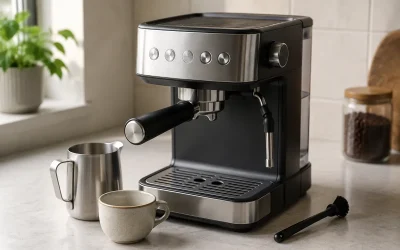
- The Gevi 20 Bar Espresso Machine with Grinder pairs a built-in grinder with a steam wand, useful if you want one countertop unit rather than two.
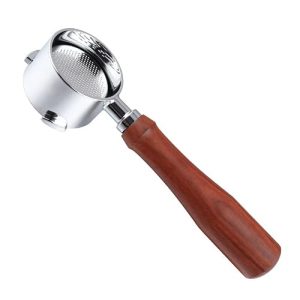
- The Neretva Stainless Steel Espresso Grinder with Portafilter Holder is built specifically around portafilter workflow, with a holder that keeps dosing and tamping in one spot.
- Pairing a separate high-precision grinder like the SHARDOR with a manual or semi-automatic machine gives you the most control over the final cup.
When You Don’t Have Time to Grind
Not every coffee moment calls for a full dial-in session. For mornings when you need caffeine on the move, Grinds Coffee Pouches in Double Shot Espresso flavor deliver a quick, grind-free espresso kick without the equipment.
- Useful for travel, work, or anywhere a machine isn’t practical.
- Won’t replace the flavor complexity of a properly pulled shot, but fills the gap.
Tips for Consistent Results
- Weigh your dose and yield on a scale rather than eyeballing it; even 1g of variance changes the shot.
- Grind only what you need right before brewing since ground coffee stales within 15 minutes.
- Clean your burrs every 1-2 weeks to prevent stale oils from muddying flavor.
- Log your grind setting, dose, and shot time for each new bag of beans so re-dialing takes minutes, not guesswork.
Frequently Asked Questions
How often do I need to adjust my grind setting?
Every time you open a new bag of beans, and sometimes again a week into that bag as the beans degas and lose CO2. Roast level and origin also shift the ideal setting, so treat dialing in as a per-bag habit, not a one-time task.
Can I use a drip coffee grinder for espresso?
Only if it has a dedicated espresso range with fine, granular adjustments. Many entry-level burr grinders, including budget drip-focused models, stop short of true espresso fineness, which will leave your shots running too fast no matter how much you dial back.
Why does my shot taste bitter even though the timing looks right?
Timing alone doesn’t guarantee correct extraction. Check your dose accuracy, tamp pressure, and whether your basket is channeling water unevenly. Stale beans past 3-4 weeks off roast date also skew toward bitterness regardless of grind.
Is a more expensive grinder always worth it for home use?
Not always, but grind consistency scales with build quality. A grinder with more precise micro-adjustments, like the Breville Smart Grinder Pro’s 60 settings, saves time and waste compared to a grinder with only 8-10 coarse steps, especially as you experiment with different beans.
Conclusion
Dialing in your espresso grind is less about finding one perfect setting and more about building a repeatable process: weigh your dose, time your shot, taste, and adjust. Invest in a burr grinder that gives you fine enough control for espresso, keep notes as you switch beans, and you’ll spend far less time guessing and more time enjoying a shot that’s actually balanced.