- Top Pick: Amrules Milk Frothing Pitcher 12oz Frother Cup Barista Tools, Silver | 18/8 Stainless Steel, 12oz Capacity with Clear Scale, with Decorating Pen, Ergonomic Handle, for Cappuccino, Latte & Espresso
- Best Value: HULISEN Milk Frothing Pitcher, 6.8oz/200ml Stainless Steel Frother Cup | Small Steaming Pitcher for Espresso Machine, Latte Art Pour Cup, Measurement Markings, Dishwasher Safe
- Premium Choice: Espresso Measuring Cup, 6 Oz Espresso Shot Glass with ML Scale | Espresso Cups with V-Shaped Spout & Wood Handle, Heat-resistant Borosilicate Glass Pitcher for Coffee, Milk & Syrup
Last updated: October 4, 2026
A cortado is a small, balanced drink: equal parts espresso and steamed milk, served in a 4 to 5 ounce glass with barely any foam. Unlike a latte, it’s not meant to be sipped slowly over twenty minutes — it’s a quick, concentrated hit of coffee softened just enough to round off the espresso’s sharp edges. Get the ratio and the milk texture right, and you’ve nailed it.
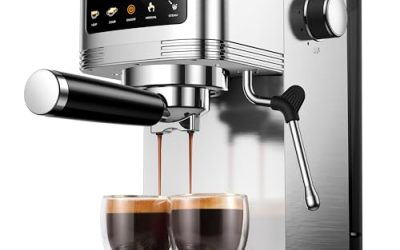
The good news is you don’t need a $2,000 espresso setup to make one well at home. You need a reliable shot of espresso, a small frothing pitcher sized for microfoam rather than latte art volume, and a way to measure your pour precisely. Here’s how to dial it in, plus the tools that make it repeatable.
As an Amazon Associate we earn from qualifying purchases at no extra cost to you.


⚡ Save on Your Next PC — Amazon Prime
Prime members get fast free shipping on the systems above, plus early access to Prime Day & Black Friday PC deals. New members get a 30-day free trial.
- Watch: How to Make a Cortado: The Perfect Espresso Milk Ratio — Video Review
- What Makes a Cortado Different
- Pulling the Espresso Shot
- Choosing the Right Frothing Pitcher
- Measuring Espresso and Milk Precisely
- Steaming and Pouring the Milk
- Tips
- Frequently Asked Questions
- Conclusion
- Related Articles
- Related Guides
Watch: How to Make a Cortado: The Perfect Espresso Milk Ratio — Video Review
What Makes a Cortado Different
See also: The Best Espresso Subscription Boxes for Coffee Aficionados • 8 Best Espresso Machines for Under $1000: Prosumer Powerhouses
A cortado sits between a macchiato and a flat white in terms of milk volume, but the defining trait is texture, not size. The milk should be steamed to about 130-140°F with minimal microfoam — just enough to add a silky mouthfeel, not the airy foam cap you’d want on a cappuccino. The name comes from the Spanish “cortar” (to cut), referring to milk cutting the acidity and bitterness of the espresso.
- Standard ratio: 1 part espresso to 1 part steamed milk (roughly 1 oz espresso to 1 oz milk)
- Total serving size: 4 to 5 oz, served in a small glass
- Milk texture: barely any foam, almost pourable like heavy cream
- Origin: Spanish and Portuguese coffee culture, popularized in the US over the last decade
Pulling the Espresso Shot
Start with a properly dosed and tamped shot, roughly 18-20g of ground coffee for a double, pulled to about 36-40g of liquid espresso in 25-30 seconds. Because the milk volume is so small in a cortado, any flaws in the shot — sourness from under-extraction, bitterness from over-extraction — will come through clearly. This isn’t a drink where milk masks a bad pull.
- Grind slightly finer than you would for a straight-up americano
- Use a 6 oz measuring glass with clear ml markings to track your extraction volume shot to shot
- Weigh your dose on a scale if your machine doesn’t have volumetric buttons
Choosing the Right Frothing Pitcher
This is where most home setups go wrong. A 20 oz pitcher meant for lattes gives you too much headroom and makes it hard to control such a small volume of milk. For a cortado you want a small pitcher, ideally 6-8 oz, so the steam wand tip stays properly submerged and you can actually judge texture in real time.
- The HULISEN 6.8oz Frothing Pitcher and the Dailyart 6.8oz Milk Frothing Pitcher are both sized right for a single 2 oz pour, with scale markings that help you stop at the right volume
- The Amrules 12oz Frothing Pitcher works if you’re steaming milk for two cortados at once, and its clear scale markings help you halve the pour accurately
- The 8oz Milk Frothing Pitcher with a precision spout is a solid middle ground for single-serve pours with a bit more room for swirl
- A dripless spout, like on the Dailyart pitcher, matters more here than on a latte pitcher since there’s so little foam to disguise a sloppy pour
Measuring Espresso and Milk Precisely
Because a cortado lives or dies on its 1:1 ratio, precise measuring tools pay off more than they would on a bigger drink like a latte. A dedicated shot glass with ml markings lets you confirm your espresso volume before you even reach for the milk.
- The Espresso Measuring Cup with a V-shaped spout and wood handle doubles as both a shot glass and a small pouring vessel, useful for portioning syrup if you’re making a flavored version
- The Joeyan 6oz Origami-Style Measuring Cups work well if you want a set of three for staging espresso, milk, and syrup separately before combining
- Borosilicate glass on both of these resists thermal shock, so pulling a hot shot directly into the glass won’t crack it
Steaming and Pouring the Milk
Purge your steam wand, then submerge the tip just below the milk’s surface at a slight angle. You’re aiming for a gentle whirlpool with almost no aeration — a few seconds of light hissing at the start to introduce a touch of air, then straight to stretching. Stop at 130-140°F, which is about as long as you can comfortably hold the pitcher before it gets uncomfortably hot to touch.
- Swirl the pitcher immediately after steaming to integrate any remaining foam
- Pour from about 2 inches above the espresso, then lower the spout close to the surface as the glass fills to control flow
- Aim for a thin ring of white at the surface, not a thick foam cap
Tips
- Preheat your glass with hot water before pulling the shot so the espresso doesn’t cool too fast in such a small serving
- Use whole milk for the classic texture; it’s easier to control at low volumes than skim or oat milk, which foam more aggressively
- Clean your frothing pitcher’s spout immediately after each use — dried milk residue changes how the pour flows next time
- Practice your ratio with a scale for a week or two, then switch to eyeballing it once your pitcher’s scale markings become second nature
Frequently Asked Questions
What’s the difference between a cortado and a flat white?
A flat white uses more milk (roughly 5-6 oz) and a slightly thicker microfoam layer, while a cortado is smaller overall (4-5 oz total) with an almost foam-free, silky milk texture. The cortado tastes noticeably more like straight espresso.
Can I make a cortado without an espresso machine?
You need genuine espresso, so a machine (or a high-pressure alternative like an Aeropresso-style device rated for espresso) is necessary. Moka pot coffee is close in strength but lacks the pressure-extracted crema and body that defines the drink.
What size glass should I use?
Look for a 4.5 to 5 oz glass, often labeled as a “cortado glass” or “gibraltar glass.” Anything larger leaves too much empty headspace and makes the 1:1 ratio hard to judge by eye.
Why is my milk too foamy for a cortado?
You’re likely introducing air for too long at the start of steaming. Limit the aeration phase to 1-2 seconds, then keep the wand tip submerged for the rest of the stretch. A smaller pitcher, like a 6.8oz size, also makes it easier to control since there’s less surface area for foam to build up.
Conclusion
A great cortado comes down to precision at a small scale: an accurately pulled shot, milk steamed to the right temperature with minimal foam, and a 1:1 pour you can repeat every time. A small frothing pitcher sized for 6-8 oz, paired with a measuring glass for your espresso, takes most of the guesswork out of it. Once you’ve got the ratio and texture dialed in, it’s one of the quickest specialty drinks to make well at home.