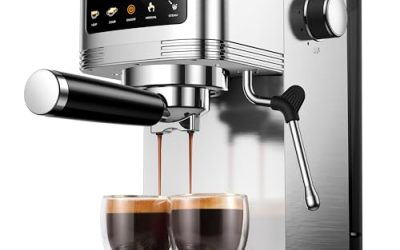
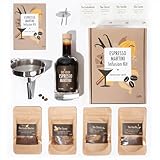
- Top Pick: Espresso Martini Infusion Kit | Homemade Cocktails Kit | Espresso Martini Kit | Natural Cocktail Blends | Gift for Men & Women | Birthday Gifts for Him & Her
- Best Value: Stir Sessions Espresso Martini Drink Mix – 12 Packets | Cocktail Mixers for Alcoholic Drinks | Low-Carb, Low-Sugar, Vegan, Gluten-Free | Travel Mocktail Mixers | Made in the USA
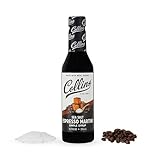
- Premium Choice: Collins Sea Salt Espresso Martini Syrup – Martini Mix Espresso Syrups for Cocktails Sea Salt Espresso Martini Gift – Cocktail Syrup 12.7oz Set of 1
Last updated: October 4, 2026
Espresso cocktails sit at the intersection of two crafts: coffee and bartending. Get the ratio wrong and you end up with a watery, bitter drink that fights the alcohol instead of complementing it. Get it right, and you have a silky, aromatic cocktail with the bittersweet depth of a good espresso shot and just enough sweetness to balance the vodka or rum underneath.
The good news is you don’t need a barista certification to make a great espresso martini or espresso old fashioned at home. In 2026, the market for ready-made espresso cocktail mixers and syrups has matured enough that a bottle of syrup, a shaker, and 90 seconds of shaking can produce a bar-quality drink. This guide walks through the technique, the tools, and how to choose the right mixer for your setup.
As an Amazon Associate we earn from qualifying purchases at no extra cost to you.



⚡ Save on Your Next PC — Amazon Prime
Prime members get fast free shipping on the systems above, plus early access to Prime Day & Black Friday PC deals. New members get a 30-day free trial.
- Watch: How to Make Espresso Cocktails: Beyond the Classic Martini — Video Review
- Espresso Martini Basics: Ratios That Actually Work
- Choosing Between Syrups, Mixers, and Kits
- Low-Sugar and Alcohol-Free Options
- Building Other Espresso Cocktails Beyond the Martini
- Tips
- Frequently Asked Questions
- Conclusion
- Related Articles
- Related Guides
Watch: How to Make Espresso Cocktails: Beyond the Classic Martini — Video Review
Espresso Martini Basics: Ratios That Actually Work
See also: The Best Espresso Subscription Boxes for Coffee Aficionados • 8 Best Espresso Machines for Under $1000: Prosumer Powerhouses
A classic espresso martini balances four elements: vodka, coffee liqueur, fresh espresso (or a concentrated syrup substitute), and a touch of simple syrup. The standard bar ratio is roughly 1.5 oz vodka, 1 oz coffee liqueur, 1 oz espresso, and 0.25 oz simple syrup, shaken hard with ice for 15-20 seconds to build the signature foam cap.
- Use a double shot (about 1 oz) of freshly pulled espresso, or 1 oz of a concentrated espresso martini syrup if you don’t own a machine.
- Shake, don’t stir. The crema on top comes from vigorous agitation, not from the ingredients themselves.
- Chill your glass first. A warm coupe kills the foam within a minute.
Choosing Between Syrups, Mixers, and Kits
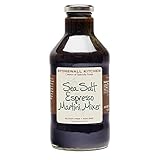
Not every home bar has an espresso machine, and that’s exactly the gap that bottled mixers fill. Syrups like the Collins Sea Salt Espresso Martini Syrup or the Stonewall Kitchen Sea Salt Espresso Martini Mixer are concentrated coffee-forward bases you shake with vodka and ice, no brewing required. Kits like the Espresso Martini Infusion Kit go a step further, bundling natural cocktail blends with the tools or garnish elements needed to build the drink from scratch, which makes them a solid gift option for a birthday or holiday.
- Syrups (Collins, Stonewall Kitchen): best if you want a coffee-forward mixer you control the alcohol ratio for.
- Single-serve packets (Stir Sessions, Maud’s Mixers): best for portion control, travel, or low-sugar diets.
- Full kits (Espresso Martini Infusion Kit): best as a gift or for someone building a home bar from zero.
Low-Sugar and Alcohol-Free Options
A real shift in this category over the past couple of years has been toward mixers that work equally well as mocktails. Stir Sessions’ 12-packet drink mix is formulated as a low-carb, low-sugar, vegan and gluten-free base, and each packet is a pre-measured single serving, so there’s no guessing on ratios. Maud’s Mixers’ 14-count cocktail/mocktail mix follows the same dual-purpose logic, letting you make the same drink for guests who are and aren’t drinking.
- Single-serve packets travel well and don’t require refrigeration until opened.
- For a mocktail, swap vodka for chilled cold brew or a splash of oat milk.
- Check sugar content on the label if you’re mixing for guests with dietary restrictions; “low-sugar” formulations vary by brand.
Building Other Espresso Cocktails Beyond the Martini
Once you’ve got a good espresso mixer on hand, it opens up more than one drink. Barsmith’s Espresso Martini Mix, for instance, is explicitly formulated to double as an iced coffee enhancer and a base for dessert cocktails, not just the martini itself.
- Espresso Old Fashioned: 2 oz bourbon, 0.75 oz espresso mixer, 2 dashes aromatic bitters, stirred over ice.
- Iced Espresso Cocktail: 1.5 oz Barsmith mix over ice with a splash of cream, no shaking needed.
- Espresso White Russian: swap the usual coffee liqueur ratio for a sea-salt espresso syrup to add a savory edge.
Tips
- Always shake espresso cocktails with ice for at least 15 seconds; this is what generates the crema, not the espresso alone.
- Store opened syrups and mixers in the refrigerator and use within 4-6 weeks for best flavor.
- Rim the glass with a few coffee beans or a dusting of cocoa powder for a bar-style finish that costs nothing extra.
- If your mixer tastes flat, add 2-3 drops of vanilla extract or a pinch of sea salt to sharpen the coffee notes.
Frequently Asked Questions
Do I need an espresso machine to make an espresso martini?
No. Concentrated syrups and mixers like the Collins or Stonewall Kitchen products are designed to replicate espresso’s bitterness and body without brewing, so a shaker and vodka are all you need.
How much alcohol should I add to a pre-made mixer?
Most 12-14oz bottles are formulated for roughly 1.5 to 2 oz of vodka per 2 oz of mixer, close to a standard martini pour. Check the label since concentration varies by brand, and adjust to taste.
Can these mixers be used without alcohol?
Yes. Products like Stir Sessions and Maud’s Mixers are explicitly built to work as mocktails, so you can serve the same drink to non-drinkers by substituting cold brew or sparkling water for the spirit.
What’s the difference between a syrup and a drink mix?
Syrups (Collins, Stonewall Kitchen) tend to be thicker and more concentrated, meant to be diluted with alcohol and ice. Drink mixes (Stir Sessions, Maud’s Mixers) are often pre-portioned single servings meant to be shaken as-is with your spirit of choice.
Conclusion
An espresso cocktail lives or dies on ratio and technique: real espresso or a concentrated mixer, a hard shake, and a chilled glass. Whether you reach for a full infusion kit, a bottle of sea-salt syrup, or a box of single-serve packets, the fundamentals stay the same. Start with the classic espresso martini ratio, taste as you go, and adjust the sweetness or salt to match your own preference.