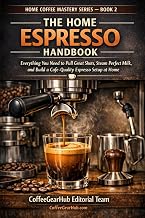
- Top Pick: Espresso Recipe Book for Beginners: Barista-Tested, Step-by-Step Drinks with Clear Ratios, Simple Ingredients, and Practical Fixes That Work with Any Machine
- Best Value: The Craft of Coffee and Espresso: A Practical Guide to Beans, Roast, Extraction, and the Cup
- Premium Choice: Espresso Coffee: The Science of Quality
Last updated: October 4, 2026
Roast level is the single biggest variable separating a bright, fruit-forward espresso from a dark, syrupy one — and it matters more for espresso than for any other brew method because the concentrated extraction amplifies whatever the roaster did to the bean. Understanding roast levels isn’t just coffee trivia; it directly affects grind size, dose, extraction time, and the flavor you pull into the cup.
In this guide, we break down the roast spectrum from light to dark, explain how each level behaves under 9 bars of pressure, and point you toward resources that will sharpen your technique once you’ve picked your beans. Whether you’re dialing in a home machine in 2026 or training toward a barista certification, matching roast to method is where consistency begins.
As an Amazon Associate we earn from qualifying purchases at no extra cost to you.


⚡ Save on Your Next PC — Amazon Prime
Prime members get fast free shipping on the systems above, plus early access to Prime Day & Black Friday PC deals. New members get a 30-day free trial.
- Watch: The Ultimate Guide to Espresso Roast Levels Explained — Video Review
- The Espresso Roast Spectrum
- How Roast Level Changes Extraction
- Matching Roast to Machine and Grinder
- Flavor Profiles by Roast Level
- Roast Level for Milk Drinks vs. Straight Shots
- Tips for Dialing In Any Roast
- Frequently Asked Questions
- Conclusion
- Related Articles
- Related Guides
Watch: The Ultimate Guide to Espresso Roast Levels Explained — Video Review
The Espresso Roast Spectrum
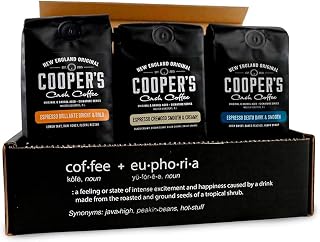
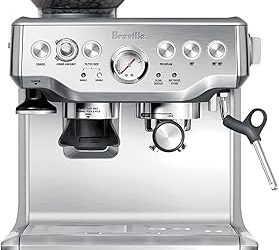
See also: The Best Espresso Subscription Boxes for Coffee Aficionados • 8 Best Espresso Machines for Under $1000: Prosumer Powerhouses
Roast level is measured roughly by internal bean temperature and color, ranging from pale cinnamon to near-black. Espresso can be pulled from any point on this spectrum, but each level demands different dialing-in.
- Light roast (350–410°F internal): Retains high acidity, floral and citrus notes, and dense cell structure — harder to extract, often needing a finer grind and longer pre-infusion.
- Medium roast (410–430°F): The most forgiving for espresso; balanced sweetness, moderate body, and a wider margin for grind error.
- Medium-dark roast (430–445°F): Chocolate and caramel notes emerge, acidity drops, body thickens — the classic “espresso blend” profile.
- Dark roast (445°F+): Bold, smoky, sometimes bitter; oils surface on the bean, and sugars are heavily caramelized or carbonized.
How Roast Level Changes Extraction
Darker beans are more porous and brittle, so they extract faster and can channel or over-extract if ground too fine. Lighter beans are denser and resist water flow, often requiring 1–2 seconds longer shot time and a grind adjustment of several clicks finer on most grinders.
- Light roasts: aim for 27–30 second shots, slightly higher brew temp (200–204°F).
- Medium roasts: standard 25–28 seconds, 198–202°F.
- Dark roasts: 22–25 seconds, 195–198°F to avoid scorching already-caramelized sugars.
For a deeper technical breakdown of how roast interacts with extraction chemistry, Espresso Coffee: The Science of Quality covers the underlying research in more depth than most brewing guides attempt.
Matching Roast to Machine and Grinder
Not every setup handles every roast equally well. Entry-level machines with narrower temperature control often perform best with medium to medium-dark roasts, since they’re more tolerant of minor swings. Higher-end machines with PID temperature control can handle light roasts’ narrower sweet spot.
- Basic pump machines: stick to medium roasts for consistency.
- PID-controlled machines: light roasts become viable with precise temp control.
- Flat burr grinders: generally cleaner with lighter roasts.
- Conical burr grinders: often smoother with darker, oilier beans.
If you’re still building foundational technique, the Espresso Recipe Book for Beginners is built around barista-tested ratios that work across roast levels and machine types, which makes it a practical companion while you’re still calibrating your setup.
Flavor Profiles by Roast Level
Roast level doesn’t just change intensity — it changes the entire flavor category you’re working with.
- Light: berry, citrus, floral, tea-like, high acidity.
- Medium: balanced sweetness, nutty, mild fruit, soft acidity.
- Medium-dark: chocolate, toffee, brown sugar, low acidity.
- Dark: smoky, bittersweet, roasted grain, minimal origin character.
The Craft of Coffee and Espresso walks through how roast interacts with bean origin and processing to produce these profiles, which is useful reading if you want to move beyond guesswork when choosing beans.
Roast Level for Milk Drinks vs. Straight Shots
Milk changes how roast reads in the cup. Dark roasts cut through milk fat and remain assertive in lattes and cappuccinos, which is why most commercial espresso blends lean medium-dark to dark. Light and medium roasts shine in straight shots or macchiatos, where their nuance isn’t masked.
- Lattes/cappuccinos: medium-dark to dark performs most reliably.
- Espresso martinis and cocktails: dark roast typically holds up best against spirits and sugar — the Complete Espresso Martini Cookbook has 100 recipes built around exactly this pairing.
- Straight espresso/macchiato: light to medium roast for clarity.
Tips for Dialing In Any Roast
- Adjust grind in small increments — 2–3 clicks at a time — and pull a shot before judging the change.
- Weigh your dose to 0.1g precision; roast-driven density shifts mean volume-based dosing is unreliable.
- Track your shots. An Espresso Logbook makes it far easier to spot patterns across roast changes than relying on memory.
- Buy smaller bags more often — roast flavor peaks 7–14 days post-roast and fades noticeably by week four.
Frequently Asked Questions
Is dark roast always stronger than light roast?
No — “strength” usually refers to caffeine or body, not roast color. Caffeine content is nearly identical across roast levels by weight, and light roasts often taste more intense due to higher acidity, not less.
What roast level do professional baristas recommend for beginners?
Medium roast is the standard recommendation because it tolerates grind and dose errors better than light or dark. The Professional Barista’s Handbook echoes this, framing medium roast as the training baseline before branching out.
Does roast level affect crema?
Yes. Darker roasts typically produce thicker, more persistent crema due to higher surface oil content, though crema thickness alone isn’t a reliable quality indicator.
Can I use the same grind setting across different roasts?
Not reliably. Density differences between light and dark beans of the same origin can require a grind adjustment equivalent to several clicks on a typical espresso grinder.
Conclusion
Roast level shapes nearly every decision downstream, from grind size to brew temperature to which drinks a bean is best suited for. Start with medium roast if you’re still building consistency, then branch toward lighter or darker profiles as your palate and technique develop. Logging your shots and referencing a solid technical guide will get you dialed in faster than trial and error alone.