- Top Pick: IMPRESA Coffee Machine Descaler, 2-Pack (1-Year Supply) Universal Descaling
- Best Value: Durgol Swiss Espresso, Descaler and Decalcifier for All Brands of Espresso Machines and Coffee Makers, 4.2 Fluid Ounces (Pack of 4)
- Premium Choice: Breville Espresso Machine Compatible Descaler, 4 Uses, 1 Year Supply, 16 oz
Last updated: September 4, 2026
Quick Comparison
| Product | Brand | Price | Rating |
|---|---|---|---|
| CASABREWS 3700 Essential Espresso Machine 20 Bar | CASABREWS | $94.99 | 4.3/5 |
| CASABREWS CM5418 Espresso Machine 20 Bar | CASABREWS | $139.99 | 4.4/5 |
| CASABREWS Ultra Espresso Machine with LCD Display | CASABREWS | $209.99 | 4.6/5 |
Why Descaling Is Critical for Espresso Machines
See also: Best Espresso Knock Boxes: Size, Capacity and Counter Space Compared • Rocket Espresso Cleaning Tablets
Every drop of tap water that passes through your espresso machine leaves behind trace minerals — primarily calcium and magnesium — that accumulate as limescale on boiler walls, thermoblock heating elements, and internal pipes. Scale is a thermal insulator, meaning scaled-up heating elements work harder to reach brewing temperature, consuming more energy and eventually failing prematurely. Scale buildup also reduces water flow, alters brew temperature, and eventually blocks pipes entirely. Descaling removes this buildup and is the single most important maintenance step for any machine that uses water.
Urnex Dezcal Descaler
Dezcal by Urnex is the industry-standard descaler used by commercial espresso equipment technicians. Its active ingredient is citric acid, which reacts with calcium carbonate scale and dissolves it into solution that flushes out with the rinse cycle. Dezcal is gentle enough not to damage rubber seals and internal gaskets while being effective enough to remove heavy scale buildup. It comes in both powder single-use sachets and liquid form. Urnex recommends descaling every 200 shots or every two months in hard water areas — check your machine's manual for the manufacturer's recommended interval.

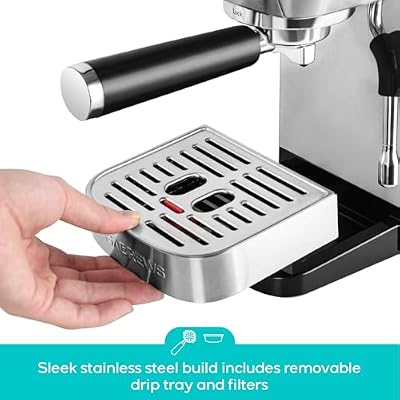
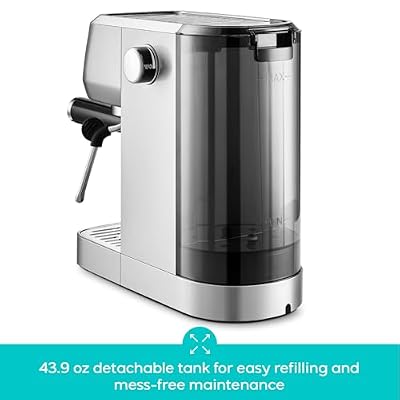
CASABREWS 3700 Essential Stainless Steel Espresso Machine with Steam Wand




As an Amazon Associate we earn from qualifying purchases. Product prices and availability are accurate as of the date/time indicated.
As an Amazon Associate we earn from qualifying purchases.


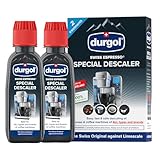

Nespresso Descaling Kit
Nespresso sells their own branded descaling solution formulated specifically for Nespresso machine materials and seals. Each kit contains two sachets — enough for two complete descaling cycles — and Nespresso machines have a dedicated descaling mode that automates the entire process including the water fill volume and cycle timing. Using Nespresso's own descaler is recommended for warranty compliance, and many Vertuo and Original machines prompt for descaling automatically based on water volume processed.

CASABREWS CM5418 Compact Espresso Machine with Milk Frothing Steam Wand


As an Amazon Associate we earn from qualifying purchases. Product prices and availability are accurate as of the date/time indicated.
Full Circle Descaler (Universal)
Full Circle makes a phosphoric acid-based descaler that many technicians prefer over citric acid formulas for heavily scaled machines, as phosphoric acid is more aggressive against mineral deposits. It's compatible with all major espresso machine brands and is available in a 34oz bottle that provides multiple descaling treatments. Full Circle descaler is also used in commercial service settings and is safe for copper, brass, and stainless steel components when diluted per the instructions.

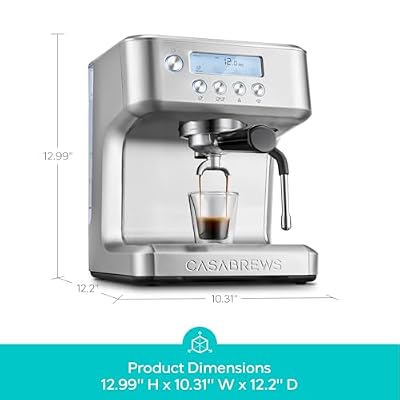
CASABREWS Ultra Espresso Machine, Barista Espresso Maker with Steam Wand



As an Amazon Associate we earn from qualifying purchases. Product prices and availability are accurate as of the date/time indicated.
Buying Guide: Descaling Your Espresso Machine
- Frequency: every 2-3 months in moderate water hardness; monthly in very hard water areas
- Water hardness test: test strips available online; hard water above 120 ppm requires more frequent descaling
- Filtered water: using filtered or softened water dramatically slows scale buildup
- Citric vs phosphoric: citric acid (Dezcal) is gentler; phosphoric acid is more aggressive for heavy scale
- Rinse thoroughly: always run 2-3 full tanks of fresh water through after descaling before brewing
- Warranty: use manufacturer-approved descalers to maintain machine warranty coverage
How Descalers Work and Why Limescale Forms
Limescale is a hard, chalky deposit made mostly of calcium and magnesium carbonate that precipitates out of water as it is heated. Every espresso machine that boils or heats water accumulates it, and the harder your tap water, the faster it builds. Descalers are acidic solutions—typically based on citric, lactic, or sulfamic acid—that chemically dissolve these mineral deposits back into solution so they can be flushed out. Without periodic descaling, scale coats the boiler, heating element, and internal pathways, acting as insulation that forces the machine to work harder and run cooler than intended.
The consequences of skipped descaling are significant. Scale buildup reduces heating efficiency and throws off brew temperature, which directly degrades shot quality. It narrows and eventually clogs internal water lines, weakening flow and pressure, and in severe cases it can cause heating elements to fail—limescale is one of the leading causes of premature espresso machine death. Regular descaling is therefore not optional maintenance but essential protection for the single most expensive part of your coffee setup. Most manufacturers recommend descaling on a schedule ranging from monthly to every few months depending on water hardness and usage.
Choosing and Using a Descaler Safely
When selecting a descaler, prioritize compatibility with your machine. Some manufacturers specify or require particular descaling products, and using the wrong type—or a homemade solution—can void warranties or damage components. Many espresso descalers are formulated to be gentler on aluminum and internal seals than raw household acids. While vinegar is sometimes suggested as a budget option, its odor lingers, it can be harsh on certain materials, and it is generally less effective per use than purpose-made descalers, so most owners prefer a dedicated product.
Using a descaler correctly is as important as choosing one. Always follow the dilution ratio on the label, run the solution through the machine’s brew and steam paths as directed, and—critically—flush thoroughly with several tanks of fresh water afterward to remove all acidic residue before brewing coffee again. Skipping the rinse leaves an off taste and can corrode components over time. To slow scale formation in the first place, use filtered or appropriately soft water; some enthusiasts use water specifically formulated for espresso machines. Reducing mineral content at the source means descaling less often and extending the life of your machine.
Frequently Asked Questions
How often should I descale my espresso machine?
It depends on water hardness and how often you brew, but most manufacturers recommend descaling anywhere from monthly to every few months. Harder water and heavier use require more frequent descaling. Many machines have an indicator light that signals when it is time.
Can I use vinegar instead of a descaler?
Vinegar can dissolve scale, but it has a lingering smell, can be harsh on some materials, and is generally less effective than a purpose-made descaler. Many manufacturers specifically advise against it, so a dedicated descaling solution is usually the safer choice.
What happens if I never descale my machine?
Scale buildup insulates the boiler, lowering and destabilizing brew temperature, weakening flow and pressure, and eventually clogging water lines. Severe scaling can cause heating elements to fail, making it one of the most common reasons espresso machines stop working.
Do I need to rinse after descaling?
Yes, thoroughly. Run several tanks of fresh water through the brew and steam paths to flush out all acidic residue before making coffee again. Failing to rinse leaves an off taste and can corrode internal parts over time.
How can I reduce how often I need to descale?
Use filtered or softer water, since limescale comes from dissolved minerals. Lower mineral content means scale forms more slowly, so you descale less often and prolong your machine’s life. Some enthusiasts use water specially formulated for espresso machines.
Final Thoughts
Descaling is the espresso machine maintenance task most often skipped and most consequential when neglected. A machine descaled every two months will outlast a machine that is never descaled by years — often decades. Urnex Dezcal is the professional standard for most machines, Nespresso's kit is the right choice for Nespresso owners, and Full Circle handles tough buildup cases. Invest $10-15 in descaler every few months and your espresso machine will repay you with years of reliable, great-tasting espresso.
Ready to decide? Our #1 pick for 2026 is the CASABREWS 3700 Essential Espresso Machine 20 Bar.
Live price & availability on Amazon.