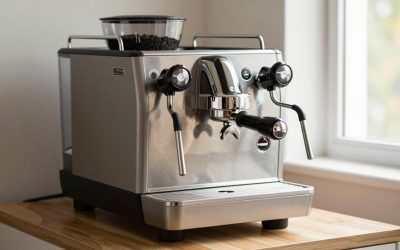
- Top Pick: Fanttik Cafein 11 Portable Espresso Maker, 20 Bar Coffee machine with USB-C
- Best Value: OutIn Nano Portable Electric Espresso Machine, Travel Coffee Maker
- Premium Choice: Wacaco Minipresso GR, Portable Espresso Machine, Compatible Ground Coffee, Hand Coffee Maker, Travel Gadgets, Manually Operated, Perfect for Camping, Hiking
Last updated: October 21, 2026
Quick Comparison
| Product | Brand | Price | Rating |
|---|---|---|---|
| WACACO Picopresso Portable Espresso Maker Bundled with … | WACACO | $129.9 | 4.5/5 |
| WACACO PIXAPRESSO | WACACO | $159.9 | 4/5 |
| WACACO Nanopresso Portable Espresso Machine | WACACO | $55.17 | 4.4/5 |
Introduction
See also: How to Descale an Espresso Machine: Citric Acid vs Vinegar • Best Electric Kettles: Ten Glass, Steel and Gooseneck Picks Compared
Portable espresso makers let you pull a genuine espresso shot anywhere — from mountain campsites to hotel rooms to your office desk — without electricity or a bulky machine. Advances in manual pump and pressurized heating technology have made these compact devices impressively capable, delivering real crema and rich extraction from a device that fits in a jacket pocket.
What to Look for in a Portable Espresso Maker
- Pressure Generation: True espresso requires around 9 bars of pressure. Look for devices that can achieve and maintain this, either through manual pumping, lever action, or pressurized capsules.
- Heating Method: Some portable makers require pre-heated water; others heat water internally via a built-in heater (requiring USB or battery power). Internal heating is more convenient but adds weight and complexity.
- Ground Coffee vs. Capsule: Ground-coffee models give you maximum flexibility; capsule-compatible models (Nespresso, etc.) trade flexibility for convenience.
- Size & Weight: For backpacking, every gram counts. Look for devices under 400g. Car campers and travelers have more latitude.
- Ease of Cleaning: A portable device used in the field must be easy to rinse and dry with minimal water.
Top Portable Espresso Maker Picks
Wacaco Nanopresso Portable Espresso Machine
The Wacaco Nanopresso is widely considered the best manual portable espresso maker available. Its patented piston-pumping mechanism generates up to 18 bars of pressure — more than enough for proper espresso extraction. It works with any finely ground espresso coffee, heats up in seconds with pre-boiled water, and weighs just 336g. The compact size fits in a cup holder or jacket pocket, and the included accessories cover ground coffee and optionally Nespresso capsules with an add-on adapter. Consistently delivers genuine crema.
As an Amazon Associate we earn from qualifying purchases at no extra cost to you.


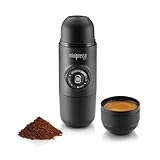


Picopresso by Wacaco
The Picopresso is Wacaco's premium upgrade, designed for espresso enthusiasts who want a 58mm standard portafilter in a pocket-sized device. The larger basket and precision basket screen allow for better extraction distribution, and the pressure is comparable to the Nanopresso. It is slightly heavier and more barista-oriented, rewarding those who invest in dialing in their grind and puck prep. The best portable espresso maker for specialty coffee enthusiasts.
Nespresso Nomad Travel Espresso Machine
The Nespresso Nomad is a battery-free, manual lever-style device designed to use Nespresso Original Line capsules. You fill the water tank, insert a capsule, press the preheating button (electrically assisted on some models), and pull the lever to extract. It is the most convenient option for Nespresso fans who travel regularly and want familiar pod-based espresso on the road without packing a full machine.
What to Look for in a Portable Espresso Maker
Portable espresso makers let you pull a real shot away from a kitchen, whether camping, traveling, or at the office, and most rely on a manual pump or lever that you operate by hand to generate pressure rather than a built-in electric pump. Because pressure is what defines espresso, the key thing to evaluate is whether the device can reach the roughly 9 bars needed for genuine espresso extraction with crema. Hand-pump models can hit that range with a bit of effort, which is what separates a true portable espresso maker from a simple pressureless brewer.
Next, consider how the device is powered and heated. Some require you to add pre-heated hot water from a separate source, while a few include a battery to heat water themselves, handy where boiling water is hard to come by. Weigh size, weight, and durability against how you will carry it, since travel and camping reward compact, rugged builds. Capacity matters too: most make a single shot at a time. Finally, check that the device accepts the grind you can supply, fine espresso grind, and that it is easy to clean with limited water, since cleanup in the field is part of the experience.
Getting the Best from Your Portable Maker
Great portable espresso comes down to the same fundamentals as any espresso, adapted to the field. Use a fine grind and a fresh dose, distribute it evenly in the basket, and tamp gently and level so water flows uniformly rather than channeling through a weak spot. Pre-heating the device with a little hot water before brewing helps deliver a hotter, better-tasting shot, since portable units lose heat quickly. Aim your water near the 195-205°F range; water straight off a vigorous boil that has rested briefly is usually about right.
Pumping technique matters with manual devices: build pressure smoothly and steadily rather than in jerky bursts, and watch for the shot to flow with crema. If it gushes fast and sour, your grind is too coarse; if you can barely pump and it tastes bitter, the grind is too fine. Because you are often working with limited water, rinse the device promptly after use so coffee oils do not dry and go rancid, and let parts air-dry before packing them. A quick clean keeps flavors pure and the seals working. With practice, a portable maker delivers a genuinely satisfying shot anywhere.
Frequently Asked Questions
Do portable espresso makers make real espresso?
Quality hand-pump models can generate close to the 9 bars of pressure needed for genuine espresso, producing a true shot with crema. Simpler pressureless devices brew concentrated coffee but not real espresso, so check that a model is designed to reach espresso pressure.
Do I need hot water for a portable espresso maker?
Most require you to add pre-heated hot water from a separate source like a kettle or camp stove. A few models include a battery to heat water themselves, which is convenient where boiling water is not readily available.
What grind should I use in a portable espresso maker?
Use a fine espresso grind, similar to what a traditional machine needs. If shots flow too fast and taste sour, grind finer; if they choke and taste bitter, grind a little coarser, then dial in to taste.
How do I clean a portable espresso maker on the go?
Rinse it promptly after use so coffee oils do not dry and turn rancid, knock out the puck, and wipe the parts. Let everything air-dry before packing. A thorough wash with soap when you have more water keeps it fresh.
Are portable espresso makers good for travel and camping?
Yes. They are compact, need no electricity for manual models, and let you pull a real shot anywhere you can supply hot water and fine grounds. Prioritize a rugged, lightweight build and easy field cleanup for travel and camping use.
Final Thoughts
The Wacaco Nanopresso is the best portable espresso maker for most travelers and campers — it is affordable, capable, and genuinely produces espresso-quality shots. Specialty coffee enthusiasts who want the precision of a 58mm portafilter should upgrade to the Picopresso. And for Nespresso fans who prioritize convenience over control, the Nespresso Nomad is the ideal travel companion.