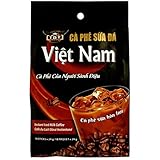
- Top Pick: Cafe sua da vietnamese coffee, Vietnamese instant coffee, Strong but Smooth, Perfect Hot or Iced, Travel & Camping Ready Stay Focused & Energized Anywhere, 24 Sticks (20g Each), Made in Vietnam.
- Best Value: Vietnamese Instant 3 in 1 Milk Coffee 5.64 oz – Ca Phe Sua Da Hoa Tan Sang 160g (10 packs x 16g)
- Premium Choice: TGT Instant Iced Milk Coffee, The Original Vietnamese Instant Coffee Mix, Café Sữa Hòa Tan, Coffee Packets Single Serve, Great Coffee Gift for Office Travel Camping, Bag of 18 Packets x 24g, Pack of 1
Last updated: September 12, 2026
🛒 Best Price Today on Amazon
Prime members get fast, free shipping on everything above, plus member-only deals. New members get a 30-day free trial — cancel anytime.
Top Vietnamese Iced Coffee Phe Sua Picks for 2026
Here are our current top vietnamese iced coffee phe sua picks, compared on real Amazon owner reviews, price, and features. Live prices update below.
As an Amazon Associate we earn from qualifying purchases at no extra cost to you. Product prices and availability are accurate as of the date shown and are subject to change.




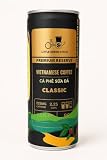
![[Pack of 12] Lee’s Cafe Latte Frozen Concentrate, Original Vietnamese Style Coffee (Cà Phê Sữa Đá) — 16 fl oz Bottles, Pack of 12 — For Iced or Hot Lattes — Shipped via Express Mail with Insulated Frozen Packaging & Ice Packs](https://m.media-amazon.com/images/I/51gvei45CcL._SL160_.jpg)

![[Pack of 12] Lee’s Cafe Latte Frozen Concentrate, Original Vietnamese Style Coffee (Cà Phê Sữa Đá) — 16 fl oz Bottles, Pack of 12 — For Iced or Hot Lattes — Shipped via Express Mail with Insulated Frozen Packaging & Ice Packs](https://m.media-amazon.com/images/I/71gXPhX76-L._SL400_.jpg)

Prime
Limited Time
Pocas Vietnamese Coffee Drink, Ready to Drink, Iced Milk Coffee and Coconut Coffee, Non-GMO, Gluten Free, 16.5 fl oz x 12 pk (Iced Milk Coffee)


This Vietnamese iced coffee recipe — ca phe sua da, literally “coffee, milk, ice” — produces one of the most distinctive coffee drinks in the world: intensely strong, dark-roasted coffee dripped slowly through a small metal phin filter onto a layer of sweetened condensed milk, stirred together and poured over ice. The result is bold, bittersweet, and almost dessert-like, with a thick body no ordinary iced latte can match. The good news for home brewers is that the authentic version requires almost no equipment and no special skills — just the right coffee, the right milk, and a little patience while the phin drips.
What Makes Vietnamese Coffee Different
See also: How to Froth Oat Milk with Steam Wand (2026): Step-by-Step • What Size Milk Pitcher for Two Lattes? Size Guide With Measurements (2026)
Three things define the drink. The beans: Vietnam is the world’s largest grower of robusta, a species with roughly twice the caffeine of arabica, lower acidity, and a bold, bittersweet, often chocolatey-nutty profile. Traditional Vietnamese coffee is dark-roasted robusta or a robusta-heavy blend, sometimes roasted with a touch of butter or other flavorings in the classic style. The brewer: the phin, a small stainless gravity filter that sits on top of the glass and drips concentrated coffee over four to five minutes — no paper, no electricity. The milk: sweetened condensed milk, a tradition born of necessity when fresh milk was scarce, whose caramelized sweetness is the perfect counterweight to robusta’s intensity. Skip any of the three and you get a different (still tasty, but different) drink.
Ingredients and Equipment
- 2 tablespoons (about 18-20 g) dark-roast Vietnamese coffee, ground medium-coarse. Robusta or a robusta blend is traditional; a dark-roast arabica works as a substitute.
- 2 tablespoons sweetened condensed milk (adjust to taste — this is the classic starting point).
- Hot water, just off the boil (195-205°F), about 100-120 ml.
- A phin filter. Inexpensive and nearly indestructible; our roundup of the best Vietnamese phin coffee filters covers sizes and gravity vs screw-down styles, and our hands-on phin filter review shows one in long-term use.
- A tall glass full of ice.
No phin? A small French press or a moka pot can stand in — brew strong and concentrated — though the slow phin drip is part of the ritual and the flavor.
Step-by-Step: Brewing Ca Phe Sua Da
- 1. Layer the condensed milk. Spoon the sweetened condensed milk into the bottom of a heatproof glass.
- 2. Load the phin. Set the phin on the glass, add the ground coffee, shake it level, and place the press disc on top. If yours screws down, tighten it just snug — overtightening chokes the drip.
- 3. Bloom. Pour 2-3 tablespoons of hot water over the disc and wait about 30 seconds while the grounds swell. This settles the bed for an even drip — the same principle as the coffee bloom technique in any brew method.
- 4. Fill and cover. Pour in the remaining hot water, put the lid on, and wait. A proper drip takes 4 to 5 minutes. Faster than 3 minutes: grind finer or tighten the disc. Slower than 7: coarsen the grind or loosen it.
- 5. Stir thoroughly. When the dripping stops, remove the phin and stir hard until the condensed milk fully dissolves into the hot coffee.
- 6. Pour over ice. Fill a second glass (or the same one) with ice to the top and pour the sweet coffee over. Stir once and serve immediately.
Variations: Black, Hot, and Beyond
Ca phe da is the same brew served black over ice with sugar or nothing at all — for purists who want robusta’s full punch. Ca phe sua nong skips the ice for a hot version, perfect in cooler weather. Bac xiu, a Saigon favorite, flips the proportions: lots of milk, a smaller dose of coffee, gentler and sweeter. And the famous egg coffee (ca phe trung) from Hanoi crowns hot coffee with a whipped egg-yolk-and-condensed-milk cream — closer to dessert than drink. If you enjoy this sweet-and-strong style, the same logic powers our vanilla sweet cream cold brew and the ideas in our cold brew recipes collection. For background on how this drink differs from other chilled coffees, our cold brew vs iced coffee explainer is a useful companion read.
Tips for Getting It Right
Buy genuinely fresh coffee and store it well — robusta’s bold profile still fades with age, and our guide to storing coffee beans applies just as much here. Grind medium-coarse: too fine stalls the phin and turns the cup muddy and bitter, too coarse races through weak. Resist the urge to skimp on condensed milk on your first attempt; the drink is engineered as a strong-sweet pairing, and you can dial it back once you know the baseline. Use lots of ice — the drink is brewed hot and concentrated specifically so that melting ice brings it to perfect strength, the same dilution math behind our coffee to water ratio guide. Finally, expect serious caffeine: robusta plus a concentrated brew makes this far stronger than it tastes.
Frequently Asked Questions
What coffee should I use for Vietnamese iced coffee?
Traditional dark-roast robusta or a robusta-arabica blend from a Vietnamese roaster is most authentic, ground medium-coarse. In a pinch, any bold dark roast works, though it will be smoother and less caffeinated than true robusta.
Can I make it without a phin filter?
Yes. Brew a strong, concentrated coffee with a small French press or moka pot and pour it over the condensed milk. The phin’s slow drip is traditional, but the defining flavors come from the dark robusta and the condensed milk.
Why does my phin drip too fast or too slow?
Drip speed is controlled by grind size and the press disc. Aim for 4 to 5 minutes of dripping: grind finer or press more snugly to slow it down, coarser or looser to speed it up.
Is Vietnamese iced coffee very caffeinated?
Yes. Robusta beans carry roughly double the caffeine of arabica, and the phin brews a concentrated cup, so one ca phe sua da can rival or exceed a large drip coffee despite its small size.
Can I substitute regular milk for condensed milk?
You can, but it becomes a different drink — the caramel sweetness and thick body of sweetened condensed milk is central to ca phe sua da. For a lighter version, try bac xiu proportions (more milk, less coffee) rather than swapping the milk type.