- Top Pick: Everyday Dose Bold Medium Roast Mushroom Coffee 90mg Caffeine per serving with Grass-Fed Collagen, Chaga, Lions Mane & L-Theanine for Better Focus, Energy, Digestion, Skin, and Immunity 30 Servings
- Best Value: Everyday Dose Premium Adaptogenic Mushroom Coffee with Grass-Fed Collagen, Chaga, Lions Mane & L-Theanine for Better Focus, Energy, Digestion, Skin, and Immunity 30 Servings
- Premium Choice: Organic Mushroom Coffee Instant, 25-in-1 Lions Mane & Reishi, 90 Servings
Last updated: September 4, 2026
Mushroom coffee benefits are everywhere right now — social feeds, wellness podcasts, and the shelves of every health store promise calmer energy, sharper focus, and stronger immunity from a cup of coffee blended with fungi like lion’s mane, chaga, and reishi. But what does mushroom coffee actually do, what does the research genuinely support, and what is marketing? This guide explains what mushroom coffee is, walks through the three most popular functional mushrooms one by one, covers the realistic upsides and the caveats, and shows you how to choose a blend worth drinking.
If you want to skip straight to tested products, these are popular blends we have covered before:
As an Amazon Associate we earn from qualifying purchases at no extra cost to you.


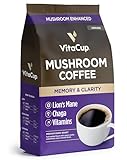

Quick Comparison
| Product | Brand | Price | Rating |
|---|---|---|---|
| Four Sigmatic Organic Focus Mushroom Ground Coffee | Da… | — | $16.99 | 4.4/5 |
| RYZE SUPERFOODS Mushroom Medium Roast Coffee USDA Organ… | RYZESUPERFOODS | $44.99 | 4.3/5 |
| OM MUSHROOM SUPERFOOD Coffee Latte Blend – Functional M… | OmMushroom | $26.22 | 4.2/5 |
What Is Mushroom Coffee, Exactly?
See also: 4 Best Coffee Beans for Iced Coffee (October 2026) Honest Reviews • Instant Espresso Brands Ranked
Mushroom coffee is regular coffee — ground beans or instant — blended with powdered extracts of functional mushrooms. These are not culinary mushrooms chopped into your brew; producers extract compounds from species like lion’s mane, chaga, reishi, cordyceps, and turkey tail, dry the extract, and mix it with coffee. The result usually tastes like a slightly earthy, mellow coffee rather than anything mushroomy.
Most blends use roughly half the coffee of a normal cup, so they typically deliver about half the caffeine — a feature, not a bug, for people sensitive to jitters. The mushrooms themselves contain no caffeine. For a brand-by-brand breakdown, see our guide to the best mushroom coffee brands for home brewing.
One important framing before the benefits: most human research on these mushrooms is early-stage, with small studies, and the doses used in research are often higher than what a scoop of blended coffee provides. The benefits below describe what the evidence suggests so far — not guarantees.
Lion’s Mane: The Focus Mushroom
Lion’s mane (Hericium erinaceus) is the most popular mushroom in coffee blends, and for good reason — its proposed benefits pair naturally with coffee’s. The mushroom contains compounds called hericenones and erinacines, which in laboratory studies have stimulated production of nerve growth factor, a protein involved in the maintenance of neurons.
Small human studies have reported improvements in measures of cognitive function in older adults taking lion’s mane extract over several weeks, and some research suggests possible mood support. Anecdotally, drinkers describe the combination of lion’s mane and a moderate caffeine dose as “clean focus” — alert but not wired. The honest caveat: the human evidence base is small, and more rigorous trials are needed before anyone can promise sharper thinking from a cup of coffee.
Chaga: The Antioxidant Workhorse
Chaga (Inonotus obliquus) grows on birch trees in cold climates and has a long history of traditional use in Russia and Northern Europe. It is exceptionally rich in antioxidant compounds, including melanin and polyphenols, and contains betulinic acid derivatives absorbed from its birch host.
In cell and animal studies, chaga extracts have shown anti-inflammatory and immune-modulating activity. Practically, chaga is also valued in coffee blends for flavor — it has a mild, slightly vanilla-like earthiness that rounds out the cup rather than fighting it. As with lion’s mane, robust human trials are limited, so treat chaga as a promising addition rather than a proven therapy.
Reishi: The Calming Adaptogen
Reishi (Ganoderma lucidum) has been used in East Asian herbal traditions for centuries, where it earned the nickname “the mushroom of immortality.” Modern interest centers on its triterpenes and beta-glucan polysaccharides, which are being studied for effects on immune function, sleep quality, and stress response.
In coffee, reishi plays a balancing role: many drinkers use reishi-containing blends in the afternoon or evening specifically because the combination feels gentler than straight coffee. Some small studies have suggested reishi may support feelings of well-being and reduce fatigue in certain groups, though results are mixed and quality varies widely between supplements. People taking blood-thinning or immune-suppressing medication should talk to a doctor before using reishi regularly.
The Practical Benefits Most Drinkers Actually Notice
Set aside the long-term claims, and mushroom coffee has several immediate, practical advantages:
- Less caffeine, fewer jitters. With roughly half the caffeine of regular coffee, most people experience steadier energy and less of the afternoon crash.
- Gentler on the stomach. Many drinkers who find regular coffee acidic report mushroom blends feel smoother — partly the lower coffee content, partly the alkaline-leaning mushroom extracts.
- Beta-glucans. All major functional mushrooms supply these well-studied polysaccharides, which are the most credible of the immune-support compounds.
- An easy habit. Unlike capsules you forget to take, mushroom coffee piggybacks on a ritual you already have.
It also mixes well with the rest of your coffee routine — it froths into oat milk drinks, works in a whipped dalgona-style coffee, and takes a cold foam topping as happily as regular coffee does.
How to Choose a Good Mushroom Coffee
Quality varies enormously in this category. Look for these markers:
- Fruiting body extracts rather than “mycelium on grain,” which is mostly starch with far fewer active compounds.
- Disclosed extract amounts per serving — reputable brands state milligrams per mushroom instead of hiding everything in a “proprietary blend.”
- Dual extraction (hot water plus alcohol) for mushrooms like reishi and chaga, since some active compounds are not water-soluble.
- Third-party testing for heavy metals, especially for chaga, which concentrates minerals from its environment.
- Decent coffee underneath. A functional blend still has to taste good; our coffee tasting notes guide helps you judge that. If you care about bean sourcing in general, the specialty coffee guide covers what quality labels actually mean.
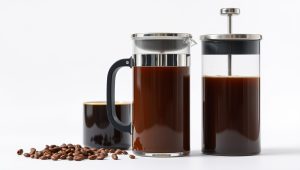
Brewing is simple: instant versions dissolve in hot water, while ground versions brew like normal coffee — a French press or pour over both work well at standard ratios.
Frequently Asked Questions
Does mushroom coffee taste like mushrooms?
No. Well-made blends taste like smooth, slightly earthy coffee. Chaga in particular adds a mild, almost vanilla-like depth, and most people cannot identify the mushrooms in a blind taste test.
How much caffeine does mushroom coffee have?
It varies by brand, but most blends contain roughly half the caffeine of a regular cup because part of the coffee is replaced with mushroom extract. Check the label — some brands also sell full-caffeine versions.
Is it safe to drink mushroom coffee every day?
For most healthy adults, daily use at label doses appears well tolerated. People who are pregnant, take blood thinners or immunosuppressants, have kidney issues (relevant for chaga’s oxalate content), or have mushroom allergies should consult a doctor first.
How long until I notice any benefits?
The caffeine effects are immediate. The mushroom-related effects, where people notice them, typically build over weeks of consistent use — most studies on lion’s mane and reishi ran for eight weeks or longer.
Can I mix mushroom powder into my own espresso instead?
Yes. Plain extract powders can be stirred into any coffee, including shots from your espresso machine, which lets you control both the coffee quality and the mushroom dose independently.