- Top Pick: Fresh Roasted Coffee, Dark Brazil Whole Bean Coffee, Med-Dark Roast, Kosher, 5 lb (80 oz)
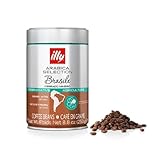
- Best Value: illy Arabica Selections Brasile – Cerrado Mineiro Whole Bean Coffee, Regenerative Agriculture Coffee, 8.8oz (Pack of 1)
- Premium Choice: 2LB Don Pablo Gourmet Coffee – Brazil Cerrado – Medium Dark Roast – Whole Bean Coffee – 100% Arabica Beans – Low Acidity and Non-GMO – 2lb bag
Last updated: October 20, 2026
As an Amazon Associate we earn from qualifying purchases at no extra cost to you.




Disclosure: As an Amazon Associate we earn from qualifying purchases. This page contains affiliate links and we may earn a commission at no extra cost to you.
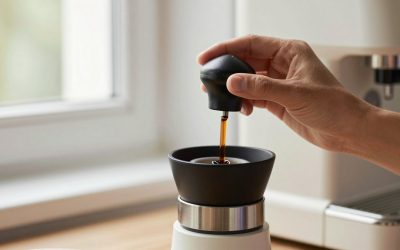
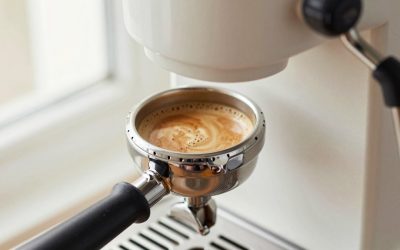
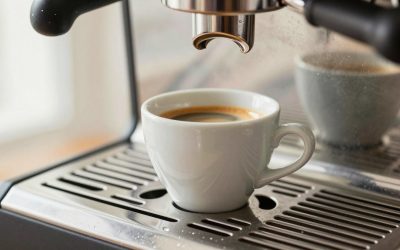
If espresso has a home-field origin, it is Brazil. The world’s largest coffee producer grows the beans that anchor countless classic espresso blends for a reason: Brazilian coffee is naturally low in acidity, heavy in body, and loaded with chocolate, caramel, and roasted-nut sweetness that survives milk, sugar, and imperfect technique alike. When a shot tastes like the espresso in your memory, the one from a good café with thick crema and a smooth chocolate finish, you are very often tasting Brazil.
For home baristas, Brazilian beans are also the kindest teachers. They roast evenly, extract forgivingly, and taste good across a wide band of grind settings, which makes them ideal both for learning espresso and for everyday drinking once you have learned. They are equally at home as single origins, like the Cerrado and Bossa coffees below, or as the backbone of Italian-style blends, a role Brazilian beans have played for generations.
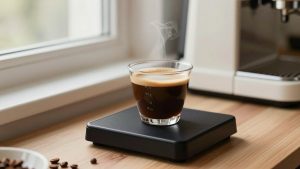
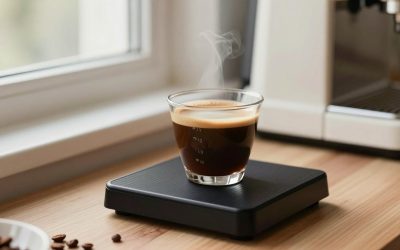
Our six picks cover the spectrum: two characterful single-origin Brazilians, a pair of legendary Italian blends built in the Brazilian tradition, a budget-friendly grocery staple, and a smooth crowd-pleaser by the pound. Whichever you land on, weigh your doses; a good coffee scale with a timer is the cheapest upgrade in espresso and makes every bag on this list more consistent.
Quick Comparison
| Product | Price | Rating |
|---|---|---|
| Casa Brasil Bossa Blend | Check on Amazon | 4.9/5 |
| Lavazza Espresso Barista Gran Crema | Check on Amazon | 4.6/5 |
| Black Tucano Brazilian Single Origin | Check on Amazon | 4.6/5 |
| Peet’s Single Origin Brazil | Check on Amazon | 4.6/5 |
| Lavazza Espresso Italiano (2.2 lb) | Check on Amazon | 4.6/5 |
| Don Pablo Brazil Cerrado | Check on Amazon | 4.5/5 |
Why Trust This Guide
See also: 4 Best Coffee Beans for Iced Coffee (October 2026) Honest Reviews • Instant Espresso Brands Ranked
We build bean guides from roaster-published information, roast levels, stated origins, and tasting notes, interpreted through long-standing knowledge of how Brazilian coffees behave in espresso machines. We never invent flavor scores, we flag blends versus single origins honestly, and we match each coffee to the drinker it actually suits.
Casa Brasil Bossa Blend
Casa Brasil specializes in exactly one thing, Brazilian coffee, and the Bossa Blend shows what that focus buys. Roasted light-medium with stated notes of caramel, berries, and pecan, it sits brighter and more nuanced than the traditional dark Brazilian profile, proof that Brazil can do elegance as well as comfort. As espresso it pours sweet and round with a gentle fruit lift that makes straight shots interesting without scaring anyone.
It is the right bag for the drinker who finds Italian-style roasts too heavy but still wants Brazilian smoothness, and its lighter development means it shines in pour-over too; pair it with a glass carafe pour-over set on weekends and one bag serves two rituals. The tradeoff is that light-medium roasts ask slightly more dial-in care than the darker options below.
Lavazza Espresso Barista Gran Crema
Gran Crema is Lavazza’s love letter to the milk-drink crowd: a medium espresso roast engineered, as the name promises, for thick, persistent crema and a body that punches through steamed milk. Brazilian-grown coffee has long been the traditional foundation of blends in this style, and the profile here is classic, chocolate, toasted bread, and gentle spice with essentially zero sharpness.
If your mornings revolve around lattes, cappuccinos, and flat whites, this is the strongest pick on the page; its flavors are built to survive milk rather than be drowned by it. Pull it behind a properly steamed pitcher, and if your frothing game needs work, our milk frother guide covers every path to café-quality texture. Straight-shot purists chasing delicate origin notes should look to the single origins instead.
Black Tucano Brazilian Single Origin
Black Tucano splits the difference between specialty ambition and everyday drinkability: a single-origin Brazilian, medium roasted, from a brand that leans into its Brazilian identity rather than hiding it in a blend. Expect the textbook profile, milk chocolate, hazelnut, mild sweetness, presented with more clarity than mass-market roasts manage.
This is an excellent first single origin for someone raised on blends, because it tastes familiar while teaching you what unblended Brazil actually is. It behaves beautifully in espresso and tolerates grind drift better than lighter coffees, making it a low-stress daily driver. Rotating it against coffees from other countries is the fastest way to educate your palate, and a structured bean sampler pack makes that comparison effortless.
Peet’s Single Origin Brazil
The medium roast delivers smooth chocolate and nut tones with Peet’s signature fullness, a dependable, satisfying cup that never embarrasses itself.
The honest caveat: this option comes ground, which is a meaningful compromise for espresso, where freshly ground coffee measurably outperforms pre-ground within days of opening. Once you do, store whole beans properly in an airtight container and grind per shot.
Lavazza Espresso Italiano (2.2 lb)
This is the big blue bag that anchors espresso bars and home machines across the planet: Lavazza’s medium-roast, 100% Arabica classic in a 2.2 pound supply. The profile is gentle and aromatic, sweet cereal, soft chocolate, light florals, milder than Gran Crema and built to be utterly repeatable bag after bag. Blends in the Italian tradition like this lean historically on Brazilian Arabica for exactly the smoothness on display here.
It is the value-per-shot champion of this list for whole-bean espresso, and its consistency makes it a perfect calibration coffee: when you change equipment or technique, a known-quantity bean tells you what actually changed. Dial it in against a proper recipe, our espresso ratio guide gives you the framework, and you will have a reliable benchmark for years. Adventurous palates may eventually find it too polite.
Don Pablo Brazil Cerrado
The Cerrado Mineiro plateau is one of Brazil’s most respected growing regions, and Don Pablo’s medium-dark take on it is the fullest-bodied coffee in this roundup. Expect deep cocoa, brown sugar, and a long, smooth finish with very low acidity, the profile that makes espresso taste plush, and a natural fit for anyone who drinks their coffee dark or lightly sweetened.
Medium-dark roasts like this are also wonderfully forgiving in espresso, hiding small technique errors that lighter roasts would announce. If your kitchen is becoming a real coffee station, this is the kind of staple worth buying ahead and displaying proudly; our home coffee bar setup guide shows how to turn the habit into a corner of the house.
What to Look For in Brazilian Coffee Beans
Brazilian coffee spans everything from commodity filler to award-winning microlots, and the label tells you which one is in the bag.
- Region naming — Bags that name a region, like Cerrado or Mogiana, signal traceable sourcing a step above generic “Brazil,” and regional styles differ in sweetness and body.
- Roast level — Medium and medium-dark roasts express the classic chocolate-nut Brazil; light-medium roasts like Bossa reveal fruit and florals most drinkers never knew Brazil had.
- Single origin versus blend — Single origins showcase Brazilian character on its own; Brazilian-based blends use it as a smooth foundation. Decide whether Brazil is your melody or your bassline.
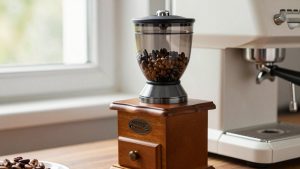
- Whole bean versus ground — Brazil’s forgiving nature cannot rescue stale pre-ground coffee; whole beans ground fresh per dose are a bigger upgrade than any price tier jump.
- Processing notes — Many Brazilian coffees are natural or pulped-natural processed, which boosts body and sweetness, ideal traits for espresso and worth seeking on the label.
- Bag size versus consumption pace — Two-pound-plus bags offer great per-cup value only if you finish them within several weeks of the roast date; match size to your real habits.
Tips for Getting the Most Out of Brazilian Coffee Beans
Use Brazil as your learning origin. Because these coffees stay tasty across a wide range of grind settings and ratios, they are the ideal beans for practicing fundamentals: nailing distribution, leveling your tamp, and learning how shot time changes flavor. Mistakes that would render a light Ethiopian undrinkable merely make a Brazilian shot slightly less great, so every practice dose still gets enjoyed rather than poured out.
Lean into milk drinks. Low acidity and chocolate-nut sweetness are precisely the traits that survive and complement steamed milk, which is why Brazilian-based coffees dominate traditional cappuccino culture. If your shots taste great straight but vanish in a latte, switching toward the Gran Crema or Cerrado end of this list will fix it faster than any recipe change.
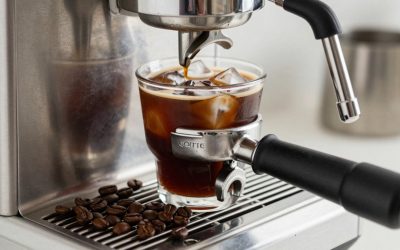
Finally, exploit the value for cold formats. Brazilian coffee’s smooth, low-acid profile makes outstanding cold brew and iced lattes, and the affordable two-pound bags here make batching painless rather than precious. A weekend liter of cold brew from the Don Pablo or Lavazza costs a fraction of café prices and keeps all week in the fridge.
Frequently Asked Questions
Why are Brazilian beans used in so many espresso blends?
Three reasons: flavor, texture, and reliability. Brazilian coffee’s low acidity and chocolate-nut profile form a smooth base that other origins can decorate; its natural processing styles build the heavy body and stable crema espresso drinkers expect; and Brazil’s enormous, consistent harvests let roasters keep a blend tasting identical year after year.
Is Brazilian coffee low in acidity?
Compared with most origins, yes. Brazilian growing regions sit at relatively moderate altitudes, and lower-grown coffee generally develops softer acidity, while common natural and pulped-natural processing adds sweetness and body. That combination is why Brazilian coffee tastes smooth rather than bright, and why it is frequently recommended to drinkers with sensitive stomachs.
What roast level is best for Brazilian espresso beans?
Medium to medium-dark is the sweet spot for the classic profile: enough development to caramelize the sugars into chocolate and toffee, not so much that roast flavor takes over. Lighter roasts like the Bossa Blend reveal surprising fruit notes but ask for more careful extraction. If in doubt, start medium and explore outward.
Are single-origin Brazilian beans better than blends?
Neither is better; they answer different questions. A single origin like Cerrado shows you exactly what Brazilian terroir tastes like, with all its character exposed. A Brazilian-based blend uses that character as a foundation engineered for balance and consistency. Many home baristas keep one of each: the blend for daily milk drinks, the single origin for straight shots.