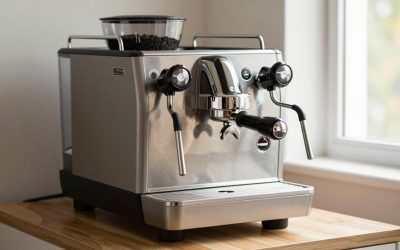
- Top Pick: Flair UPDATED 49 PRO (Black) – All manual 49mm lever espresso maker with handled portafilter, pressure gauge and no plastics in brew path
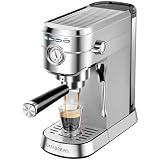
- Best Value: CASABREWS CM5418 Compact Espresso Machine with Milk Frothing Steam Wand
- Premium Choice: Primula Classic Stovetop Espresso and Coffee Maker, Moka Pot for Italian and Cuban Café Brewing, Greca Coffee Maker, Cafeteras, 6 Espresso Cups, Silver
Last updated: October 20, 2026
A manual espresso machine solves a deceptively simple problem: you want a proper shot of espresso—creamy body, concentrated flavor, that golden crema—without paying four or five figures for a machine with a pump, a boiler, and a counter footprint that makes your kitchen feel like a café back room. The category stretches from full-lever workstations to handheld devices you can toss in a backpack, and the gap between a genuinely satisfying pull and a bitter, under-extracted mess is wider than most first-time buyers expect.
What separates a worthwhile manual espresso machine from a frustrating purchase comes down to pressure consistency, temperature control, and whether the build tolerates daily use without developing leaks or loosening seals. Each product serves a different definition of “manual,” so the goal here is to match your actual morning routine to the right tool rather than declare one universal winner.
As an Amazon Associate we earn from qualifying purchases at no extra cost to you.




Quick Picks
| Product | Best for | Price |
|---|---|---|
| Flair 49 PRO | Serious home espresso enthusiasts | Check on Amazon |
| CASABREWS CM5418 | Budget semi-automatic with steaming | Varies |
| Primula Classic Moka Pot | Stovetop convenience on a minimal budget | Varies |
| CASABREWS 3700 | Entry-level electric with steam wand | Varies |
| De’Longhi Stilosa | Compact manual steaming on a countertop | Varies |
| Wacaco Minipresso GR | Travel and outdoor brewing | Check on Amazon |
| AeroPress Original | Versatile coffee press for espresso-style cups | Varies |
| STARESSO PLUS SP300 | Portable manual brewing without heat source | Varies |
How We Compared
See also: How to Descale an Espresso Machine: Citric Acid vs Vinegar • Best Electric Kettles: Ten Glass, Steel and Gooseneck Picks Compared
We narrowed the field using four criteria: pressure delivery method and its effect on shot consistency, build materials and long-term durability based on owner reports, price-to-performance ratio relative to what each category demands, and practical portability or countertop footprint. A machine that generates genuine espresso pressure (nine bars or close to it) earns more weight than one producing a strong coffee at three bars. We also flagged products where owner feedback consistently highlights a specific failure mode—worn seals, plastic components cracking, or inconsistent temperature—because those complaints matter more than spec sheets alone.
The 8 Best Manual Espresso Machine in 2026
Flair UPDATED 49 PRO
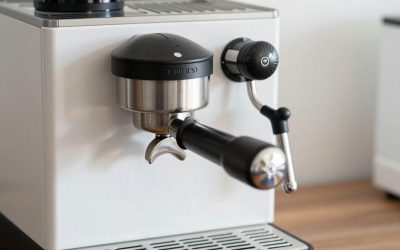
This is the most demanding option in the group and the most rewarding for anyone who treats espresso as a craft. The Flair UPDATED 49 PRO is a full lever machine with a handled portafilter, an integrated pressure gauge, and zero plastics in the brew path. Owners consistently note the tactile control over pressure profiling that separates a good shot from a transcendent one. It is heavy, requires preheating, and demands a decent grinder—but that is the tradeoff. If you are willing to learn the lever technique, this machine produces results that rival commercial equipment costing triple the price.
- Pro: Pressure gauge lets you profile shots with precision uncommon at any price point.
- Pro: All-metal brew path with no plastics means better thermal stability and longer lifespan.
- Con: Steep learning curve; inconsistent technique yields inconsistent shots until you build muscle memory.
Skip this if you want speed over control or if you are unwilling to invest in a quality burr grinder.
CASABREWS CM5418
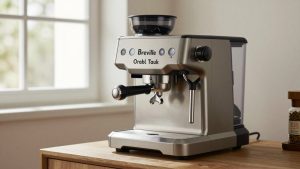
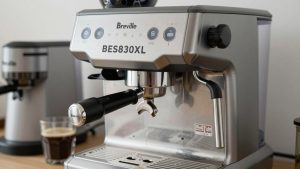
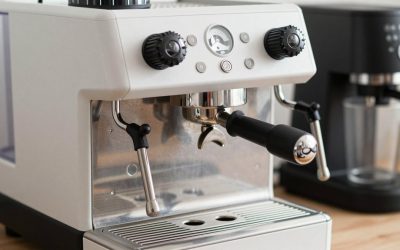
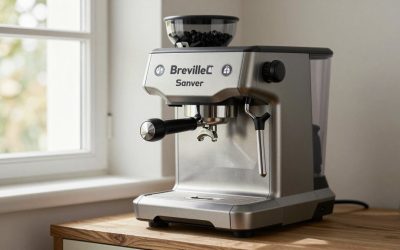
The CM5418 is a compact electric machine with a 15-bar pump and a milk frothing steam wand. Owners appreciate the integrated grinder and the ability to froth milk directly. The main complaint is noise and the plastic housing, which some find less durable over years of daily use.
- Pro: Integrated grinder reduces the need for a separate purchase.
- Pro: Steam wand allows latte-style drinks without a separate frother.
- Con: Plastic housing and noticeable operating noise.
Skip this if you prefer a completely manual process or want a machine you can take camping.
Primula Classic Stovetop Espresso Maker
It produces a moka-style brew that sits between drip and espresso. Owners love its simplicity and durability, with many reporting years of use from a single purchase. It cannot produce crema, and the flavor profile is closer to a very strong coffee than to a true espresso shot, but for the price it remains one of the most reliable ways to get a bold morning cup.
- Pro: Extremely affordable with minimal maintenance required.
- Pro: Makes six espresso cups at once, efficient for households.
- Con: No crema and no pressure gauge—output differs significantly from lever or pump espresso.
Skip this if you specifically want espresso crema or plan to drink straight shots for comparison against café drinks.
CASABREWS 3700
Owner feedback praises the build quality relative to price and notes the machine heats quickly. The limitation is the 20-bar pump paired with modest temperature stability, which can produce inconsistent extraction if you are picky about shot quality.
- Pro: Stainless steel construction at this price point feels more durable than plastic rivals.
- Pro: Fast heat-up time suits rushed mornings.
- Con: Temperature control is basic; shot consistency varies without preheating routines.
Skip this if you already own a grinder and want the most refined shot possible per dollar.
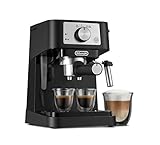
De’Longhi Stilosa
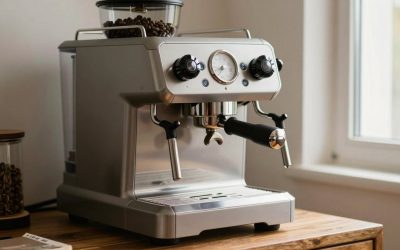
The De’Longhi Stilosa is a compact machine with a manual milk frother, not a steam wand. Owners describe it as easy to operate and reasonably quiet, with a 15-bar pump that pulls decent shots. The manual frother is a tradeoff: it requires a separate step and some practice to get microfoam, but it eliminates the steam wand’s cleaning routine.
- Pro: Very compact footprint fits tight countertops without crowding.
- Pro: Manual frother is simple to clean and less finicky than a steam wand.
- Con: No temperature dial or pressure gauge limits extraction fine-tuning.
Skip this if you want to texturize milk with steam or prefer a larger portafilter basket.
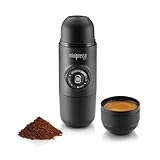
Wacaco Minipresso GR
The Minipresso GR is a hand-powered, fully portable espresso maker that uses ground coffee directly—no capsules required. You fill it with grounds, add hot water, and pump a handle to generate pressure. Owners report that technique matters enormously: a slow, steady pump with a preheated chamber yields genuinely impressive results, while a rushed pull produces bitterness. It brews one short shot per cycle.
- Pro: Truly portable with no electricity or heat source needed beyond hot water.
- Pro: Accepts standard ground coffee, avoiding capsule waste and cost.
- Con: One shot per session and a learning curve that punishes inconsistent pumping speed.
Skip this if you brew multiple shots daily or want a machine that doubles as your primary home setup.
AeroPress Original
The AeroPress is not technically a manual espresso machine—it generates roughly half the pressure needed for true espresso—but it produces a concentrated, full-bodied cup that many owners describe as “espresso-style.” Cleaning takes ten seconds. The limitation is that no amount of clever technique will produce the crema or mouthfeel of a proper lever or pump espresso.
- Pro: Exceptionally fast cleanup and multiple brewing methods in one device.
- Pro: Travel-friendly, nearly unbreakable, and widely available replacement parts.
- Con: Cannot achieve full espresso pressure or produce crema.
Skip this if your primary goal is authentic espresso shots rather than a strong, smooth concentrate for milk drinks.
STARESSO PLUS SP300
The STARESSO PLUS is a portable manual espresso machine that uses a pump handle to generate pressure comparable to the Minipresso but with a slightly more refined build. Owners note it produces a respectable crema when technique is consistent. The tradeoff is weight—it is heavier than the Minipresso—and the pump mechanism can feel stiff during the first few uses.
- Pro: Dual compatibility with grounds and capsules adds versatility for travel.
- Pro: Produces noticeable crema, an advantage over the AeroPress and Moka pots.
- Con: Heavier and bulkier than the Minipresso, less appealing for ultralight packing.
Skip this if you need the lightest possible option for backcountry use.
Buying Guide
Pressure Method and Shot Quality
True espresso requires roughly nine bars of pressure during extraction. Full-lever machines like the Flair let you control that pressure manually via handle force, which is why the built-in gauge matters so much. Pump-driven machines like the CASABREWS models generate pressure automatically but offer little fine-tuning. Portable manual presses like the Minipresso and STARESSO require you to pump steadily to approximate nine bars, and technique directly affects whether the result tastes like espresso or like hot, bitter water. If shot quality is your priority, the lever method at the top of this list is unmatched.
Build Materials and Thermal Stability
Temperature drops during extraction cause sour or thin shots. Metal components—steel brew paths, brass fittings, aluminum bodies—retain heat far better than plastic housings. The Flair UPDATED 49 PRO eliminates plastic entirely from the brew path for this reason. Machines with plastic internals may be perfectly fine for casual use, but owner feedback consistently flags seal degradation and heat loss as those plastics age. If you plan daily use over several years, metal construction at any price tier is worth prioritizing.
Workflow and Time Investment
A manual espresso machine demands more from you than a fully automatic one. You are responsible for grinding dose, tamp pressure, water temperature, preheating, and sometimes pumping or pulling a lever. The Flair rewards the time invested; the AeroPress rewards speed and flexibility; the Moka pot requires almost no attention once heated. A machine that takes fifteen minutes to pull a shot you will not make daily is a poor investment regardless of its price.
Our Verdict
Top pick: The Flair UPDATED 49 PRO stands apart as the most capable manual espresso machine in this group for anyone willing to develop their technique. Its pressure gauge and all-metal construction produce café-quality shots that nothing else here can match.
FAQ
Can a manual espresso machine make latte foam?
Not on its own. Lever machines produce espresso concentrate, but steaming milk requires either a steam wand or a separate manual frother. Some products in this list pair a manual or pump brewer with a steam wand or included frother, so check whether the unit bundles milk-texturing capability before buying.
Do I need a special grinder for a manual espresso machine?
A burr grinder capable of a fine espresso grind is strongly recommended for any machine that uses a portafilter or accepts ground coffee. Blade grinders produce inconsistent particle sizes that cause channeling and uneven extraction. The Flair, Minipresso, and STARESSO all benefit significantly from a dedicated fine-grind setting.
Is a Moka pot the same as an espresso machine?
No. A Moka pot uses steam pressure to push water through grounds, reaching perhaps 1.5 bars, while true espresso requires around nine bars. The result is a strong, rich concentrate that works well in milk drinks but lacks the crema and intensity of a proper espresso shot.
How often do seals and gaskets need replacing?
Rubber or silicone gaskets in any espresso device degrade with heat cycles and coffee oils. Owner reports for most machines in this list suggest replacing group head gaskets every six to twelve months under daily use. Machines with all-metal brew paths that minimize rubber contact, like the Flair, tend to have longer intervals between part replacements.