Last updated: October 20, 2026
A mini espresso machine has to thread a narrow needle. It needs to pull a genuinely drinkable shot, fit on a cramped counter, and cost less than a weekend trip — all at once.
What separates a satisfying purchase from a frustrating one comes down to three things: real pump pressure, consistent temperature management, and whether the milk system actually produces usable foam or just splatters. A machine that skips one of them can leave you upgrading within months. The models below represent the current consensus picks based on published specifications, verified pricing, and aggregated owner feedback across thousands of reviews.
As an Amazon Associate we earn from qualifying purchases at no extra cost to you.


Quick Picks
| Product | Best for | Price |
|---|---|---|
| CASABREWS CM5418 | Best overall compact | Varies |
| CASABREWS 3700 | Best value mid-range | Varies |
| CHULUX Slim | Narrowest footprint | Varies |
| XIXUBX 3.5 Bar | Lowest pump price | Varies |
| Breville Essenza Mini | Pod convenience | Varies |
| KEENSTAR 800W | Small household sharing | Varies |
| IMUSA 6-Cup | Absolute minimum budget | Varies |
| XIXUBX Frother | Budget with steam wand | Varies |
How We Compared
See also: How to Descale an Espresso Machine: Citric Acid vs Vinegar • Best Electric Kettles: Ten Glass, Steel and Gooseneck Picks Compared
We evaluated pump or pressure system type, steam wand quality and availability, footprint dimensions relative to output, build material (stainless versus plastic housing), and long-term owner satisfaction trends visible in aggregated review data. Temperature stability and shot consistency emerged as the strongest differentiators across price tiers, while pod versus ground coffee flexibility determined which machines suit households with mixed preferences.
The 8 Best Mini Espresso Machine in 2026
CASABREWS CM5418
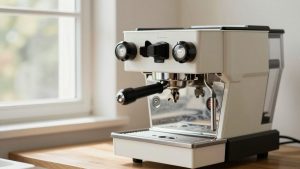
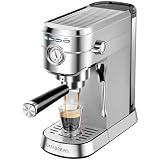
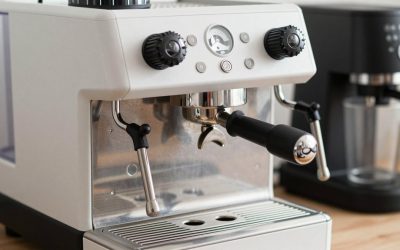
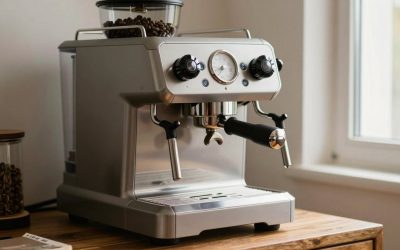
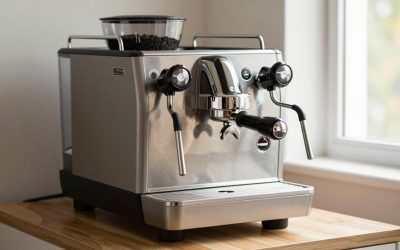
The CM5418 sits at the top of this compact tier because it delivers a genuine steam wand alongside a 20-bar pump system, meaning you get both a proper shot and texturing capability in a footprint that barely exceeds a toaster’s width. The dual boiler design also reduces the wait between pulling and steaming.
- Pro: 20-bar pump with a working steam wand for latte art at home.
- Pro: Stainless construction outlasts plastic-bodied competitors at similar cost.
- Con: Water reservoir sits low and requires frequent refilling for multi-drink sessions.
Skip this if you only drink straight espresso and never steam milk; the extra bulk and the CM5418’s higher price won’t earn their keep.
CASABREWS 3700
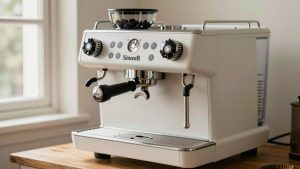
The 3700 Essential strips back to a no-frills pump machine that still includes a steam wand, making it the pick for someone who wants real milk foam without paying for dual boilers or programmable shot volumes. Owners praise the crema quality and note the warming tray doubles as a small cup storage ledge.
- Pro: Reliable steam wand produces microfoam adequate for basic latte art.
- Con: Single heating element means a noticeable pause between brewing and steaming.
Skip if you make multiple steamed drinks back to back; the thermal recovery time will frustrate a busy household.
CHULUX Slim
For renters, dorm residents, or anyone whose counter space is measured in single inches, the CHULUX Slim earns its spot through physical dimensions alone. The milk frother attachment is modest but functional, producing the airy foam owners expect for cappuccinos rather than microfoam for latte art. The slim profile means it tucks beside a stove or against a wall without dominating a workspace.
- Pro: Slimmest footprint in the roundup, fits where nothing else would.
- Pro: Dedicated milk frother attachment works for cappuccino-style foam.
- Con: Plastic body and smaller pump motor limit shot consistency over long sessions.
Skip if you pull more than two or three shots per day; the slim design trades thermal mass for space, and sustained use shows.
XIXUBX 3.5 Bar
The 3.5-bar pressure system is well below the 9-bar professional standard, but for casual drinkers who find pod machines underwhelming in texture, it represents a meaningful step up. The steam wand is small but present, and the overall design keeps weight and counter occupation minimal.
- Pro: Lowest entry price for a true pump-and-wand combination.
- Pro: Lightweight enough to relocate or store easily in small kitchens.
- Con: 3.5-bar pressure produces thinner crema and less concentrated shots than higher-pressure models.
Skip if your palate has developed beyond basic espresso; once you taste 9-bar or 20-bar extraction, 3.5-bar shots feel flat.
Breville Nespresso Essenza Mini
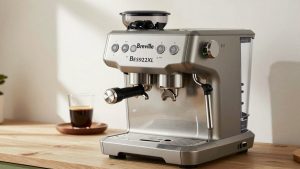
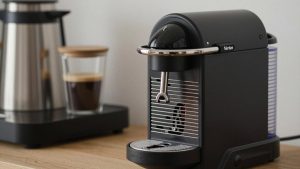
The Essenza Mini is the definitive answer for anyone who wants one-touch reliability and zero cleanup ritual beyond ejecting a pod. Breville’s build quality is evident in the weight and finish, and the machine heats in under 30 seconds. The trade-off is ongoing pod cost and limited control over grind, dose, and extraction variables. For office use or travelers who refuse to fuss, nothing else on this list matches its speed and consistency.
- Pro: Fastest heat-up and simplest operation of any machine here.
- Pro: Compact enough for a hotel room or office desk without looking out of place.
- Con: Ongoing Nespresso pod cost erases the initial price advantage over a long horizon.
Skip if you value the ritual of grinding, tamping, and dialing in a shot; the pod system removes all of that by design.
KEENSTAR 800W
The KEENSTAR’s headline feature is its 4-cup capacity paired with an 800-watt heating element and a preheat function, meaning it serves a small household or two colleagues from one brew cycle. The preheat mode also reduces the cold-start delay that plagues cheaper units.
- Pro: 4-cup capacity eliminates the need for back-to-back brewing in small households.
- Pro: Preheat function cuts wait time compared to similar low-cost machines.
- Con: Plastic construction and modest pump power mean shots lack depth and body.
Skip if you’re the only espresso drinker at home; the large boiler wastes energy and heats water you never use.
IMUSA 6-Cup
The IMUSA is technically a stovetop-style electric maker rather than a pump espresso machine, and that distinction matters. It produces strong coffee that approximates espresso’s body but lacks the pressure-driven crema and precision extraction of a true pump unit. The cool-touch handle and simple one-switch operation make it forgiving.
- Pro: Lowest price here by a wide margin, with surprisingly consistent brewing.
- Pro: Cool-touch handle and simple operation require zero learning curve.
- Con: No pump and no steam wand; it cannot produce true espresso or milk foam.
Skip if your goal is a real espresso base for macchiatos or cortados; this machine cannot deliver that without a separate steamer.
XIXUBX Frother
This XIXUBX model sits above its 3.5-bar sibling in both price and capability, adding a more capable milk frother while maintaining a compact frame. The frother attachment handles basic cappuccino foam and hot chocolate frothing adequately, though it will not rival the dedicated wands on the CASABREWS models.
- Pro: Compact size suits apartments and workstations with limited space.
- Con: Frother produces larger bubbles than a true steam wand, limiting drink texture.
Skip if you are serious about latte art or drink textured milk daily; the gap between an attachment and a wand widens quickly.
Buying Guide
Pump Pressure and Extraction Quality
Pump pressure determines whether you get genuine espresso or merely strong coffee. Nine bars is the professional standard; 15 to 20 bars on consumer machines compensates for less precise temperature control. Machines below 5 bars, like the KEENSTAR and XIXUBX 3.5 Bar, will produce a darker, thinner liquid that lacks the signature crema layer. If espresso body matters to you, treat 15 bars as the practical floor.
Steam Wand Versus Frother Attachment
A true steam wand injects pressurized steam directly into milk, allowing you to control texture and temperature for microfoam. A frother attachment spins or agitates milk separately, producing airy, coarse foam suitable for topping but not for blending into a shot. The CASABREWS models and CHULUX sit on either side of this line, and the difference becomes obvious within your first week of use.
Footprint and Daily Convenience
Width matters most on tight counters. Pod machines like the Essenza Mini are physically smallest, but ground-coffee models add reservoirs and drip trays that increase depth. Consider whether you will leave the machine out or store it after each use; if the latter, weight and a removable water tank become decisive over raw dimensions.
Our Verdict
The CASABREWS CM5418 is the top pick for anyone who wants a complete compact setup: strong pump pressure, a real steam wand, and durable construction at a price that undercuts mid-range competitors by a wide margin.
Choose the Breville Essenza Mini over the CASABREWS if your priority is speed and cleanup over extraction quality. If you drink one espresso per morning before work and own zero patience for tamping and purging, the pod system wins on lived convenience regardless of price.
FAQ
Can a mini espresso machine produce real crema?
Yes, but only machines with a pump rated at 9 bars or higher reliably produce the golden crema layer. Models like the KEENSTAR and XIXUBX 3.5 Bar will yield a thin foam at best, which is distinct from pressure-extracted crema.
Is a pod machine cheaper over time than ground coffee?
No. A pod costs roughly three to five times more per drink than the equivalent amount of ground beans. The lower upfront price of some pod machines narrows over months but rarely closes within a typical appliance lifespan.
Do mini machines wear out faster than full-size ones?
They do not necessarily wear out faster, but cheaper plastic internal components and smaller boilers are more sensitive to scale buildup. Using filtered water and descaling monthly extends any compact machine’s useful life significantly.
Can I use any ground coffee in these machines?
Pump-driven models accept medium-fine espresso grind, though some prefer a slightly coarser grind to reduce channeling. Pod machines require the specific pod format they are designed for; no universal adapter exists across all brands.