- Top Pick: Lavazza Espresso Whole Bean Coffee, Medium Roast, 100% Arabica, 2.2 lb Bag
- Best Value: Starbucks Whole Bean Coffee, Dark Roast Coffee, Espresso Roast, 100% Arabica, 1 bag (18 oz)
- Premium Choice: Siena Arte Napoli Italian Roasted Whole Bean Coffee, Espresso Blend, 2.2 lb (35.2 oz)Blend: Napoli Espresso Blend Form: Whole bean coffee Flavor Profile: A little lighter in character than the European Espresso, similar to Northern Italian style Weight: Often sold in 2.2 lb (1 kg) bags
Last updated: October 4, 2026
Espresso beans lose their signature crema-building CO2 and aromatic oils faster than you’d think. Within two to three weeks of roasting, that bright, syrupy shot starts turning flat and one-dimensional, even if the bag “looks” fine sitting on your counter. Freshness isn’t just about taste snobbery, it directly affects extraction: stale beans pull thin, sour, or bitter shots no matter how well you dial in your grinder.
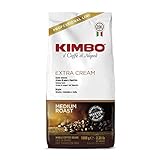
The good news is that proper storage is cheap and simple once you understand what actually degrades coffee: oxygen, light, heat, and moisture. Below is a practical guide to keeping beans like Lavazza, Starbucks Espresso Roast, or Kimbo Extra Cream tasting like the day they were roasted, plus a few product picks worth having on hand.
As an Amazon Associate we earn from qualifying purchases at no extra cost to you.




⚡ Save on Your Next PC — Amazon Prime
Prime members get fast free shipping on the systems above, plus early access to Prime Day & Black Friday PC deals. New members get a 30-day free trial.
Watch: How to Store Espresso Beans for Maximum Freshness — Video Review
Why Espresso Beans Go Stale So Fast
See also: The Best Espresso Subscription Boxes for Coffee Aficionados • 8 Best Espresso Machines for Under $1000: Prosumer Powerhouses
Espresso roasts tend to be darker and more oil-rich than standard drip coffee, which makes them more vulnerable to rancidity. Dark roasts like Starbucks Espresso Roast or Gavina Old Havana have more exposed surface area from the roasting process, so their oils oxidize faster once the bag is opened.
- Oxygen reacts with coffee oils and breaks down flavor compounds within days of exposure.
- Whole beans stay fresh roughly 4 to 8 times longer than pre-ground coffee.
- Most roasters peak in flavor 5 to 14 days post-roast and hold well for about 3 to 4 weeks if stored correctly.
Choose the Right Container
An airtight, opaque, food-grade container is the single biggest upgrade you can make. Skip the clip-and-fold bag approach for anything beyond a day or two.
- Look for containers with a one-way CO2 valve, similar to the packaging on 2.2 lb bags like Siena Arte Napoli or Kimbo Extra Cream, so gas escapes without letting oxygen in.
- Ceramic or tinted glass canisters block light better than clear glass.
- Avoid vacuum-sealing whole beans right after roasting; trapped CO2 needs a few days to vent or the container can bulge.
- Portion larger bags, such as the 2.2 lb Lavazza or Napoli blends, into smaller weekly containers to limit repeated air exposure.
Control Temperature and Light
Heat accelerates oil breakdown, and light degrades flavor compounds through photodegradation. A stable, cool, dark spot is ideal.
- Store beans between 60°F and 70°F, away from ovens, stovetops, or direct sunlight.
- Keep containers inside a pantry or cabinet rather than on an open counter near a window.
- Avoid storing beans on top of the espresso machine itself; residual heat from the boiler shortens shelf life.
Skip the Fridge, Rethink the Freezer
Refrigerators introduce moisture and odor absorption, both of which ruin espresso beans quickly. Coffee is porous and will pick up smells from garlic, onions, or leftovers within a day.
- Never store opened beans in the refrigerator.
- Freezing works only for long-term backup stock, such as an unopened 1.1 lb bag of Caffe Vergnano you won’t touch for a month.
- Divide beans into small, airtight, portioned bags before freezing so you only thaw what you’ll use in a week.
- Never refreeze beans once thawed; condensation cycles degrade texture and flavor fast.
Buy the Right Quantity
Matching purchase size to your actual consumption rate matters more than brand loyalty. A single-person household pulling two shots a day empties a 12 oz bag in roughly two to three weeks, which lines up well with peak freshness windows.
- Espresso drinkers with a busy home setup can reasonably work through a 2.2 lb bag, like Lavazza or Gavina Old Havana, within a month.
- Light or occasional drinkers are better served by smaller formats, such as the 18 oz Starbucks Espresso Roast or 1.1 lb Caffe Vergnano bag.
- Check roast dates, not just expiration dates, when buying; roast date is the real freshness clock.
Tips
- Grind only what you need immediately before pulling a shot; ground coffee loses aroma within 15 to 30 minutes.
- Write the open date on the bag or container so you can track freshness at a glance.
- Keep your grinder hopper empty overnight rather than leaving beans exposed to air continuously.
- Buy from roasters or retailers with visible roast dates rather than vague “best by” stamps.
Frequently Asked Questions
How long do whole espresso beans stay fresh after opening?
Most whole beans hold good espresso quality for about 3 to 4 weeks after opening if kept in an airtight, opaque container away from heat and light. After that window, oils oxidize enough to flatten crema and dull flavor.
Can I store espresso beans in their original bag?
Bags with a one-way valve and a proper fold-and-clip seal, like those used for Kimbo Extra Cream or Siena Arte Napoli, work fine short-term. For anything beyond a week, transferring to a dedicated airtight canister gives better protection.
Is it better to buy smaller bags more often?
Yes, in most cases. Buying a fresh 12 to 18 oz bag every two to three weeks, rather than a large 2.2 lb bag that sits half-used for a month, keeps every shot closer to peak freshness.
Does roast level affect storage needs?
Darker roasts, such as Starbucks Espresso Roast or Gavina Old Havana, have more surface oil and go stale slightly faster than medium roasts like Lavazza or Caffe Vergnano. Darker roasts benefit from airtight storage and quicker use.
Conclusion
Great espresso starts long before the shot hits the cup. Airtight, opaque containers, a cool dark spot, and buying only what you’ll use within a few weeks will preserve the character of any bean, whether it’s a bold Starbucks Espresso Roast or a smoother Napoli-style blend from Siena Arte. Small storage habits make a noticeable difference in crema, sweetness, and overall balance in every shot you pull.