Last updated: October 2, 2026
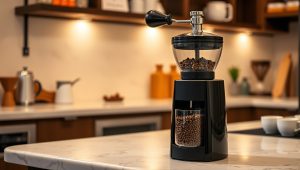
The Eureka Mignon Silenzio is a compact, quiet-focused espresso grinder for home users who want a capable single-purpose grinder without paying for electronic dosing or app controls. Its strengths are a relatively quiet motor, fine adjustment, and a small countertop footprint. Its weaknesses are less convenient switching between coffees, a fiddly adjustment dial, and limited workflow automation.
It makes the most sense when espresso is your main drink and you usually leave one coffee dialed in for several days. If you regularly alternate between espresso, filter coffee, and decaf, the Silenzio can become frustrating. In that case, a more flexible single-dose espresso grinder may be a better fit.
What the Eureka Mignon Silenzio is
The Silenzio is a compact electric burr grinder built around 55 mm flat steel burrs. It uses Eureka’s stepless micrometric adjustment system, which gives you continuous control rather than a series of fixed clicks. That is useful for espresso: small changes in grind size can make the difference between a fast, thin shot and a slow, bitter one.
It is primarily a hopper grinder. You fill the hopper, adjust the grind, and use the portafilter fork to grind directly into a portafilter. The front control is a manual push button rather than a programmable touchscreen or dose display. Depending on the version and market, the Silenzio may have a timer knob for setting a rough grinding duration, but it is not a precision dosing system.
The grinder is sold in several finishes, and specifications can vary slightly by market. Check the listing before buying, particularly if you are comparing older stock with a newer revision.
Grind quality and espresso performance
See also: Best Espresso Grinders for Home: Burr Size, Workflow and Budget Matched • Breville Smart Grinder Espresso
For espresso, the Silenzio is a serious step above entry-level blade grinders and most inexpensive conical-burr appliances. Its flat burrs produce a consistent enough grind for dialing in espresso, and the stepless adjustment lets you make the small changes that espresso requires.
It is not a magic shortcut. You still need to weigh your coffee, distribute the grounds, and adjust the grinder as the beans age or the room humidity changes. The built-in timer can help repeat a dose, but timed grinding is only an approximation. Different beans grind at different rates, and the grinder may retain a small amount of coffee between uses.
Retention and clumping are manageable but not eliminated. A brief purge after changing settings can reduce old grounds, while a simple distribution tool or careful hand distribution can make the puck more even. If you expect perfectly fluffy grounds straight into the basket with no preparation, the Silenzio may disappoint.
Noise, controls, and everyday workflow
Noise reduction is the Silenzio’s defining feature. It is noticeably quieter and less harsh than many basic espresso grinders, which matters in an apartment, an open-plan kitchen, or an early-morning routine. “Silenzio” does not mean silent: the motor and burrs are still clearly audible while grinding.
The controls are deliberately simple. Hold the portafilter against the button, or press it manually, and the grinder runs. The timer knob can be set for an approximate dose. This arrangement is reliable and easy to understand, but it lacks the convenience of a scale-based grinder or a clearly visible digital timer.
The portafilter fork supports hands-free grinding for common portafilters, though some baskets and portafilter shapes may not sit perfectly. You may need to hold the portafilter in place or finish the dose with a small tap. The hopper is practical for keeping one coffee loaded, but it is not ideal for frequent bean changes.
Main trade-offs before buying
| Feature | What the Silenzio does well | Where it falls short |
|---|---|---|
| Espresso adjustment | Stepless control makes fine dialing-in possible | Returning to a previous setting is less convenient |
| Noise | Quieter and less abrasive than many budget grinders | Still produces normal electric-grinder noise |
| Dosing | Manual control and a basic timer are easy to use | Timer-based doses can drift and require weighing |
| Bean changes | Works well with one hopper of coffee | Purging and readjusting are inconvenient for multiple coffees |
| Counter space | Compact, traditional Mignon footprint | The hopper adds height and makes storage under cabinets worth checking |
Who should buy it?
Buy the Silenzio if you make espresso most days, want a quieter grinder, and prefer physical controls over a display. It suits a household that uses one regular bean and values a tidy, compact setup. It is also a sensible match for someone upgrading from a basic grinder but who does not need café-style speed or automatic dosing.
It is less suitable for a coffee drinker who switches between several beans. Changing from a fine espresso setting to a coarse filter setting is possible, but the stepless dial has no numbered positions to guide you back. You may need to purge retained grounds and spend time finding the espresso setting again.
It is also not the best choice if you want to grind large batches quickly, use a scale-integrated workflow, or minimize hands-on steps. For those needs, consider comparing it with a programmable espresso grinder or a larger commercial-style home grinder.
Cheaper and more flexible alternatives
A cheaper espresso grinder can be fine if your budget is tight and you are willing to accept more noise, coarser adjustment steps, or less consistent dosing. The important requirement is that it can grind fine enough for espresso and adjust in small enough increments to dial in a shot. A low-cost grinder that produces large clumps or cannot make fine adjustments will create more frustration than savings.
A manual burr grinder is another option. It can offer excellent grind quality for less money and is often quiet, but grinding espresso by hand takes time and effort. That is reasonable for one or two drinks; it is less appealing when making several milk drinks for guests.
For frequent bean switching, look at espresso and filter coffee grinders designed around single dosing. They usually make changing coffees easier and waste less during transitions, though they may cost more and can be slower or less convenient for hopper-based, repeat dosing.
Maintenance and failure points
Keep the hopper reasonably clean and brush loose grounds from the chute periodically. Oily dark-roasted beans can build residue and eventually affect feeding. Avoid washing burrs or electrical parts; use a dry brush and follow the manufacturer’s cleaning instructions.
The most common ownership complaints are not usually catastrophic failures. They are workflow issues: a timer that does not deliver an exact dose, grounds remaining in the chute, difficulty remembering a stepless setting, and a hopper that is awkward when changing beans. A blocked chute or motor overload can also occur if the grinder is run with stones or foreign material in the beans. Buying from a seller with clear warranty support matters more than saving a small amount from an uncertain source.
Is the Eureka Mignon Silenzio worth buying?
The Silenzio is worth considering when quiet operation and espresso-focused adjustment matter more than automation. It delivers the core performance needed for good home espresso in a compact body, but it expects you to weigh doses and manage the dial yourself.
Choose it for a stable, one-bean workflow. Choose something else if you want effortless switching, repeatable digital dosing, or a grinder that handles both espresso and filter coffee without compromise. The Silenzio is best understood as a quiet manual-workflow grinder—not a fully automated appliance.
FAQ
Is the Eureka Mignon Silenzio quiet?
It is quieter and less harsh than many basic espresso grinders, but it is not silent. You will still hear the motor and burrs while it runs.
Can the Silenzio grind for espresso?
Yes. Its flat burrs and stepless adjustment provide the control needed for espresso. You still need to weigh doses and adjust for different beans.
Can it grind filter coffee?
It can grind coarser, but changing between filter and espresso is inconvenient because the adjustment is stepless and the hopper and chute retain some grounds.
Does the timer measure the dose accurately?
It measures grinding time, not weight. It can become repeatable with one bean, but you should use a scale while dialing it in and check the dose periodically.