Last updated: October 2, 2026
Quick answer: For most people in 2026, the best zero retention espresso grinder is the Purpose-built single-dose grinder — our #1 rated choice. See the full ranked comparison, alternatives and buying advice below.
What “zero retention” means
No espresso grinder holds literally zero coffee. Grounds cling to burrs and chute walls, and a small amount may stay inside the grinder after each dose. “Zero retention” usually means a design intended to leave very little coffee in the grinding path, often helped by a short chute, bellows, or a way to sweep out the last grounds.
That distinction matters. A grinder can have little measurable leftover coffee but still produce inconsistent doses if beans or grinds scatter, stick, or exchange places inside the chute. For home espresso, the practical goals are repeatable dosing, low waste, and easy cleanup—not a perfect zero on the scale.
The best options for different buyers
See also: Best Espresso Grinders for Home: Burr Size, Workflow and Budget Matched • Breville Smart Grinder Espresso
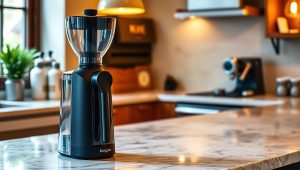
For most people shopping specifically for low retention, a single-dose grinder is the most sensible category to consider. You weigh beans for each shot, grind them on demand, and avoid keeping a hopper full of beans that may go stale. The trade-off is a slower routine: weighing and loading each dose takes more effort than pressing a button on a hopper grinder.
Look for a grinder with a short, accessible grounds path and a stable adjustment mechanism. A bellows can help clear grounds, but it is not magic: aggressive pumping may puff fines onto the counter, and bellows designs can be awkward to clean. Check how easily the burr chamber opens, too. Espresso fines build up over time even in low-retention designs.
Browse single-dose espresso grinders if you want a dedicated grinder for weighing beans one shot at a time. This category suits people who switch between coffees or want to minimize leftover grounds. The catch is that some models are loud, require frequent adjustment, or need bellows to reach their lowest retention.
A single-dose conversion or add-on can be a cheaper route for someone who already owns a capable grinder. Some hopper grinders can be adapted with a small hopper or bellows, but results depend on the grinder’s internal layout. A narrow, curved chute may retain more coffee than an accessory can clear. Verify that a conversion is compatible before buying; a low price is no bargain if it makes feeding beans unreliable.
Compare single-dose bellows and accessories if you already have a grinder worth keeping. They can reduce the amount left behind, but they do not improve burr alignment, grind quality, or adjustment precision.
Compare the main approaches
| Approach | Strengths | Trade-offs and likely failures | Best for |
|---|---|---|---|
| Purpose-built single-dose grinder | Designed for dosing one batch at a time; usually easy to weigh and switch coffees | Often costs more; bellows may scatter grounds; some designs still retain coffee in the burr chamber | Home baristas who change beans or prioritize a tidy, repeatable routine |
| Hopper grinder used for single dosing | Can be affordable if you already own one; familiar controls | Beans may feed unevenly at low hopper levels; a long chute can hold old grounds | People testing single dosing before buying another grinder |
| Hopper grinder used as intended | Fast and convenient for several drinks in a row; no weighing every dose | Beans sit exposed in the hopper; retained grounds can mix with a new setting or coffee | Households that value speed and usually use one coffee |
What to check before buying
Retention claims: Ask how the number was measured. A reading after one dose may differ from a grinder that has been run repeatedly, and weighing grounds at the portafilter cannot reveal every exchange of old and new coffee. Treat retention figures as a comparison under stated conditions, not a guarantee that every dose will match its input weight.
Adjustment and workflow: Espresso requires small grind changes as coffee ages or humidity shifts. Check that the adjustment is easy to repeat and does not drift. If you regularly alternate between espresso and filter, a grinder with clear markings or a reliable way to note settings saves time. Not every grinder can move between those ranges conveniently.
Mess and static: Very dry beans and low humidity can make grounds cling and scatter. A grinder that looks clean in a product photo may still need a catch cup, careful transfer, or occasional brushing. If you use a bellows, press gently and see where the air and fines go; forceful pumping can create more cleanup than it prevents.
Cleaning and service: Low retention does not mean maintenance-free. Espresso oils and fine particles accumulate around burrs and the exit path. Favor a design that gives you practical access for cleaning, and check whether replacement burrs and parts are available. Avoid opening a grinder in ways the manufacturer warns against.
Is paying extra worth it?
Not always. If you make several shots a day with the same beans and care more about speed than swapping coffees, a conventional hopper grinder may be the better buy. A little leftover coffee is usually less frustrating than a fiddly routine, and you can reduce waste by grinding only what you need and brushing out the chute during cleaning.
Pay more for a single-dose design when you will use its workflow: weighing each dose, rotating coffees, or clearing the grinder between settings. For a first espresso setup on a budget, spend enough for consistent espresso adjustment and burr performance before paying a premium for a low-retention claim. A grinder that leaves almost nothing behind but cannot hold a stable espresso setting is the wrong compromise.
FAQ
Can a grinder have truly zero retention?
No. Some coffee can remain around the burrs and inside the chute. “Zero retention” is best understood as very low retention under particular test conditions.
Do bellows make a grinder zero-retention?
No. They can push out grounds that would otherwise stay in the path, but may also scatter fines and will not clear every part of the burr chamber.
Is single dosing worth it for one coffee?
It can be, especially if you want to weigh each shot and keep beans out of the hopper. If you value speed and rarely change coffees, a hopper grinder is often simpler.
Will low retention improve espresso taste?
It can reduce the amount of older coffee mixing into a fresh dose, but it does not guarantee better espresso. Burr quality, grind consistency, freshness, and dialing in matter more.
Ready to decide? Our #1 pick for 2026 is the Purpose-built single-dose grinder.
Live price & availability on Amazon.