Last updated: September 4, 2026
As an Amazon Associate we earn from qualifying purchases at no extra cost to you.




Quick Comparison
| Product | Brand | Price | Rating |
|---|---|---|---|
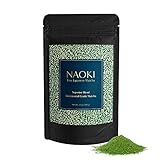
| Trader Joe’s Matcha Green Tea Powder (Pack of 2) | Trader Joe's | $24.94 | 5/5 |
| LeafCharm Ceremonial Grade Matcha Green Tea Powder 3.52… | LeafCharm | $24.49 | 4.8/5 |
| MatchAdmire Matcha Green Tea Powder – Premium First Har… | MatchAdmire | $27.99 | 4.7/5 |
| Green Foods Organic Matcha Green Tea Powder – Antioxida… | Green Foods | $27.99 | 4.7/5 |
| Ito En Matcha Green Tea | ITOENNorthAmerica | $24.68 | 4.6/5 |
Introduction
See also: How to Froth Oat Milk with Steam Wand (2026): Step-by-Step • What Size Milk Pitcher for Two Lattes? Size Guide With Measurements (2026)
Whether you are sensitive to caffeine, experiencing coffee-induced anxiety, or simply looking to diversify your morning ritual, a growing category of coffee alternatives offers complex flavors, ritual satisfaction, and functional benefits. From the focused calm of matcha to the roasted richness of chicory root, these beverages serve as genuine replacements rather than consolation prizes. This guide covers the best coffee alternatives and how to brew them at home.
What to Look For
- Caffeine Level: Match your alternative to your caffeine goal — matcha contains about 70mg per serving (similar to tea); chicory is caffeine-free; mushroom blends average 40–50mg.
- Flavor Profile: The best coffee alternatives for regular coffee drinkers have a roasted, earthy, or bitter element that satisfies the same sensory craving — chicory and dandelion root are particularly effective.
- Ritual Compatibility: Choose alternatives that can be prepared with your existing equipment — a milk frother, French press, or simple hot water — so the morning routine stays satisfying.
Top Picks
Ippodo Tea Co. Hatsu-mukashi Matcha
Ippodo is one of Japan’s oldest and most respected matcha producers, and Hatsu-mukashi is their best everyday drinking-grade powder — vibrant green, naturally sweet, and umami-rich without bitterness. Whisked with 70ml of 175°F water and optionally topped with oat milk, it makes a deeply satisfying latte with focused, calm energy from L-theanine and 70mg of natural caffeine. The resealable tin preserves freshness for months.
Cafe Du Monde Chicory Coffee
Cafe Du Monde’s chicory blend has been a New Orleans breakfast staple since 1862, combining roasted chicory root with dark-roasted coffee for an intensely rich, slightly nutty brew that is lower in caffeine than straight coffee. It is designed to be brewed through a drip machine or French press and served with warmed whole milk in the traditional café au lait style. For those wanting a half-step away from coffee rather than a full break, this is the ideal bridge drink.
Rasa Original Adaptogen Coffee Alternative
Rasa is a completely caffeine-free herbal blend combining ashwagandha, astragalus, reishi mushroom, and roasted chicory root into a deep, earthy brew that closely mimics the bitterness and body of dark coffee. It is designed to be brewed in a French press with a 1:15 ratio and topped with warm oat milk. Rasa suits anyone managing adrenal fatigue, anxiety, or caffeine sensitivity who still craves a complex, satisfying hot drink.
Why People Seek Coffee Alternatives
Interest in coffee alternatives has grown for several practical reasons, and understanding them helps you pick the right substitute. The most common motivation is caffeine: some people are sensitive to it, find it disrupts their sleep, or simply want to cut back, and alternatives let them keep a warm daily ritual with less or no caffeine. Others switch for digestive comfort, since coffee’s acidity can bother sensitive stomachs, while some are drawn to the distinct flavors and purported wellness properties of drinks like matcha or herbal blends. Whatever the reason, the goal is usually to replace coffee’s role—its warmth, ritual, and pick-me-up—rather than to mimic its taste exactly.
It helps to know that alternatives fall into two broad camps: those that still contain caffeine and those that do not. Matcha, other teas, and yerba mate contain caffeine but deliver it differently than coffee—matcha, for instance, pairs caffeine with L-theanine, an amino acid that many people feel produces a calmer, more sustained energy without coffee’s jittery spike. Caffeine-free options like chicory, herbal roasts, and many adaptogen blends offer the warm, often roasty experience of coffee with no stimulant at all. Knowing which camp you want narrows the field considerably.
A Guide to Popular Coffee Alternatives
Several alternatives have stood the test of time. Matcha is finely ground green tea whisked into water; it offers a smooth, sustained caffeine lift, a vegetal flavor, and a vibrant green color, and it is prepared by whisking the powder into hot (not boiling) water to avoid bitterness. Chicory, made from the roasted root of the chicory plant, has a long history—famously blended with coffee in New Orleans—and brews into a dark, slightly bitter, coffee-like drink with no caffeine, making it a popular way to stretch or replace coffee. Yerba mate, traditional in South America, is steeped like tea and delivers a robust caffeine kick with an earthy, grassy taste.
Other options round out the range. Herbal “coffee” blends combine roasted ingredients like grains, dandelion root, and chicory into caffeine-free drinks that approximate coffee’s roasty depth. Rooibos and other herbal teas provide warm, naturally caffeine-free sipping with their own flavors. Adaptogen-based blends add herbs and mushrooms marketed for wellness, often with a small amount of caffeine or none at all. When choosing, match the alternative to your priority: pick matcha or yerba mate if you want lasting energy, chicory or herbal roasts if you want a coffee-like taste without caffeine, and prepare each according to its method—whisking matcha, steeping mate, or brewing chicory like coffee—to get the best results.
Frequently Asked Questions
Are coffee alternatives caffeine-free?
It depends on the alternative. Matcha, yerba mate, and other teas contain caffeine, just delivered differently than coffee. Chicory, herbal roasts, rooibos, and many adaptogen blends are caffeine-free. Choose based on whether you want to keep some caffeine or eliminate it.
Does matcha give the same energy as coffee?
Matcha contains caffeine but pairs it with L-theanine, an amino acid that many people feel produces a calmer, more sustained energy without coffee’s sharp spike and crash. The amount of caffeine is generally lower than a strong cup of coffee.
What is chicory and does it taste like coffee?
Chicory is the roasted root of the chicory plant, brewed into a dark, slightly bitter, coffee-like drink with no caffeine. It is famously blended with coffee in New Orleans and is a common way to replace or stretch coffee.
How do I prepare matcha properly?
Whisk matcha powder into hot water that is below boiling—water that is too hot makes it bitter. Use a bamboo whisk or frother in a zigzag motion until frothy. You can also make a matcha latte by adding steamed milk.
Which coffee alternative is best for a sensitive stomach?
Lower-acid, caffeine-free options like chicory, rooibos, and herbal roasts are often gentler on sensitive stomachs than coffee. Everyone is different, so it can take some experimenting to find the alternative that feels best for you.
Final Thoughts
The best coffee alternative is the one that satisfies your specific needs — Ippodo matcha for focused energy, Cafe Du Monde chicory for familiar richness with less caffeine, and Rasa for complete caffeine elimination without sacrificing the morning ritual. Keep a few options on hand and you will find it easy to reduce your coffee dependency without losing the beverage experience you love.
Ready to decide? Our #1 pick for 2026 is the Trader Joe's Matcha Green Tea Powder (Pack of 2).
Live price & availability on Amazon.