Last updated: October 2, 2026
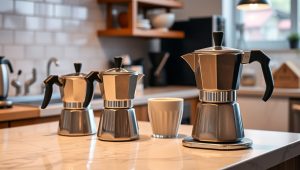
The Bialetti Venus is a stainless-steel moka pot designed to work on induction cooktops. It makes strong, concentrated coffee in the style of a traditional stovetop coffee maker, but it is not an espresso machine and does not produce true espresso pressure. That distinction matters: the Venus is a relatively inexpensive way to make bold coffee without electricity, milk systems, or a separate grinder, but it cannot match the texture or intensity of a pump espresso machine.
Its main appeal is simple. Fill the lower chamber with water, add ground coffee to the filter basket, screw on the upper section, and heat it. The finished coffee collects in the top chamber. Unlike aluminum moka pots, the Venus uses stainless steel and is compatible with induction, as well as gas, electric, and many other stovetops.
What the Bialetti Venus actually makes
Moka coffee is stronger and more concentrated than ordinary drip coffee, with a heavier body and a sharper edge when the grind or heat is poorly controlled. It is well suited to drinking in small cups, diluting with hot water, or combining with steamed or warm milk.
It is not espresso. Espresso uses a pump or lever to force water through finely ground coffee at much higher pressure. Moka coffee has no crema in the espresso sense, and the flavor is usually less syrupy and less cleanly separated. If your goal is cappuccino-quality espresso, look at espresso machines with milk frothers instead.
That is not a criticism of the Venus. Many people prefer moka coffee for its fuller, more roasted flavor, lower cost, and minimal cleanup. The right choice depends on whether you want a compact brewer or actual espresso capability.
Design, size, and everyday use
See also: Breville Bench Saver • Rocket Espresso Coffee Machine
The Venus has a polished stainless-steel body, a heat-resistant handle, and a hinged lid with a knob for opening it while pouring. Its induction compatibility is the important upgrade over classic aluminum Bialetti models. It also avoids the aluminum-contact concern that leads some buyers to prefer stainless steel, although normal use of an aluminum moka pot is not automatically a problem.
Bialetti’s “cup” measurements are small European-style servings, not eight-ounce mugs. A six-cup Venus is intended to make roughly six small servings, or perhaps one or two larger drinks depending on how much coffee you consume. Do not buy by the cup label alone. Check the manufacturer’s stated capacity and compare it with the amount you normally brew.
| Option | Best for | Main advantage | Main limitation |
|---|---|---|---|
| Bialetti Venus | Induction users who want stovetop coffee | Stainless steel, compact, no electricity | Not true espresso; capacity is fixed |
| Traditional aluminum moka pot | Gas or electric stovetop users on a budget | Usually cheaper and widely available | Generally unsuitable for induction |
| Manual espresso maker | People prioritizing espresso flavor and control | Can produce real espresso without a large appliance | More technique, accessories, and cleanup |
| Electric drip coffee maker | Households making larger batches | Convenient and easier for multiple mugs | Less concentrated coffee and more counter space |
How to get better results
Use the grind recommended for moka pots: finer than drip, but noticeably coarser than espresso. Very fine espresso grounds can restrict flow and produce harsh, bitter coffee. Fill the basket level with coffee, but do not tamp it. Moka pots rely on relatively gentle pressure; packing the grounds can slow the brew and create a poor result.
Fill the lower chamber with water up to, but not above, the safety valve. Starting with hot water can shorten the time the coffee spends heating and may reduce burnt flavors, though it also makes the metal base hot to handle. If you start with cold water, use moderate heat and remove the Venus from the burner when the upper chamber is nearly full. A loud sputtering finish usually means the pot is overheating.
The most common failure modes are predictable:
- Bitter or burnt coffee: heat is too high, the pot is left on the burner too long, or the grind is too fine.
- Weak coffee: too little coffee was used, the basket was not filled properly, or the pot was diluted more than intended.
- Leaking around the joint: the gasket or filter is dirty, worn, incorrectly seated, or the upper and lower sections are not fully tightened.
- Little or no flow: the funnel filter is clogged, the coffee was tamped, or the safety valve has been obstructed.
- Uneven induction heating: the burner may not recognize the base if the pot is too small for the induction zone or if the cooktop has a minimum-pan-size requirement.
Do not try to increase yield by adding extra water or coffee. Moka pots are designed around a fixed ratio and brewing path. If you need more coffee, use a larger Venus or brew a second batch rather than overfilling the chambers.
Cleaning and long-term ownership
Let the pot cool before disassembling it, then rinse the body and filter components thoroughly. Avoid leaving brewed coffee sitting in the upper chamber for hours, since residue and stale oils will affect later brews. Bialetti generally recommends avoiding harsh detergents and abrasive tools, which can damage the finish or leave odors. Dry the parts fully before reassembling them.
The gasket and filter are wear parts. If the pot begins leaking, check these pieces before assuming the body is defective. Replacements are available, but you need the correct size. A gasket that looks similar may not seal properly. The safety valve also needs occasional inspection; never cover it or use a pot with a visibly damaged valve.
Who should buy the Venus?
Buy the Venus if you use induction, want concentrated stovetop coffee, and value a compact brewer that does not depend on electricity. It is also a practical choice for travel, offices with a hotplate, and kitchens where a full espresso machine would be excessive. Pair it with a burr coffee grinder for moka pot coffee if you want more control over freshness and grind size.
Choose a cheaper aluminum moka pot if you do not need induction compatibility and are comfortable with its smaller, more traditional design. The less expensive option is fine for occasional use, especially on gas or conventional electric stoves. The Venus earns its higher price through stainless-steel construction and induction support, not because it makes espresso-quality coffee.
Skip both types of moka pot if you want one-touch brewing, large travel mugs, programmable timing, or a reliable path to espresso drinks. In that case, consider a automatic espresso machine or a drip brewer, depending on whether espresso or batch coffee is the priority.
FAQ
Is the Bialetti Venus safe on induction?
Yes, the Venus is designed for induction cooktops. Check that your particular cooktop recognizes its base, especially with smaller sizes and induction zones that require a minimum pan diameter.
Does the Venus make real espresso?
No. It makes moka coffee, which is concentrated and full-bodied but brewed at much lower pressure than espresso. It will not produce the same crema, texture, or flavor profile as a pump espresso machine.
Can I use espresso-ground coffee in the Venus?
You can, but it is usually a poor choice. Very fine grounds may slow or block the flow and can make the coffee bitter. Use a grind between drip and espresso, and never tamp the basket.
How many cups should I buy?
Choose based on the manufacturer’s capacity rather than the cup label. Moka “cups” are small servings. If you normally make one large mug, compare the stated milliliter capacity and consider whether diluting the coffee with hot water or milk suits you.