Last updated: October 21, 2026
As an Amazon Associate we earn from qualifying purchases at no extra cost to you.



Disclosure: As an Amazon Associate we earn from qualifying purchases. This page contains affiliate links and we may earn a commission at no extra cost to you.
Steaming plant milk for espresso is a different sport from steaming dairy. Whole milk forgives almost everything: it stretches easily, holds a glossy microfoam, and its fat rounds off any roast’s rough edges. Plant milks, on the other hand, vary wildly in protein, fat, and stabilizers, which means the carton you grab determines whether you pour silky latte art or watch a sad, bubbly puddle separate in the cup. After years of pulling shots at home and testing nearly every barista-edition carton we could find, we have a clear picture of which milk alternatives actually behave under a steam wand.
The good news is that the category has matured enormously. Oat milk led the charge, and the best barista blends now stretch and pour nearly as well as dairy. Pea-protein milks bring serious foam stability, and even almond milk has cleaned up its act with short ingredient lists. If you already enjoy oat milk coffee drinks, this guide will help you pick the carton that works hardest in an actual espresso routine.
Below you will find our six favorite milk alternatives for espresso, a quick comparison table, and practical advice on steaming each one so your flat whites and lattes come out the way you intended.
Quick Comparison
| Product | Price | Rating |
|---|---|---|
| Chobani Oat Barista Edition | Check on Amazon | 4.7/5 |
| Ripple Pea Protein Milk (32 oz) | Check on Amazon | 4.7/5 |
| Califia Farms Oat Barista Blend | Check on Amazon | 4.6/5 |
| Minor Figures Organic Barista Oat | Check on Amazon | 4.6/5 |
| Mooala Organic Almond Milk Vanilla | Check on Amazon | 4.5/5 |
| Ripple Original Plant Based Milk | Check on Amazon | 4.5/5 |
Why Trust This Guide
See also: Bloody Mary Recipe: Classic, Spicy, and Easy • Copycat Starbucks Drink Recipes You Can Make at Home
We do not repeat manufacturer claims we cannot observe in the cup, and we update picks when formulations change.
Chobani Oat Barista Edition
Chobani’s barista carton is the closest thing to a default recommendation in this category. It is built for steaming, and it shows: the milk stretches quickly, builds a tight, paint-like microfoam, and holds its sheen long enough to pour rosettas without rushing. The flavor is gently sweet and cereal-like, which flatters chocolatey espresso blends in a latte or cortado.
Being shelf stable, it is easy to stock a few cartons in the pantry and open them as needed, which suits home baristas who only steam milk a few times a week. If your drink of choice is a flat white with dairy-like body and you want the least fuss possible, start here. The only real tradeoff is that, like most oat milks, it brings carbohydrates rather than protein, so the foam softens faster than a pea-protein milk if you let the drink sit.
Ripple Pea Protein Milk (32 oz)
Ripple’s barista-friendly pea protein milk is the structural engineer of this list. With 8 grams of protein per serving, it foams with remarkable stability — the microfoam stays integrated well after pouring, which makes it a favorite for slow sippers and for layered drinks. Texture-wise it lands closer to two-percent dairy than any oat milk we have tried.
The flavor is neutral with a faint legume note that most people stop noticing after a cup or two, though it is worth knowing about if you drink your lattes lightly sweetened. It is also a strong option for anyone avoiding both dairy and oats. Pair it with a properly purged steam wand — our steam wand tip guide explains how tip condition affects stretch — and it rewards you with pourable, glossy foam.
Califia Farms Oat Barista Blend
Califia’s Oat Barista Blend is the accessible workhorse: widely stocked in grocery stores, inexpensive per carton, and reliably good under steam. It stretches a touch faster than Chobani and produces a slightly airier foam, which actually makes it forgiving for beginners still learning where to position the wand tip.
Flavor is clean and lightly sweet, letting the espresso lead. Because you can buy a single carton cheaply, it is the obvious choice for anyone testing whether oat milk belongs in their rotation before committing to a multi-pack. If you are also practicing your pours, a proper vessel helps — see our picks for a stainless latte art milk pitcher to get the most out of this blend.
Minor Figures Organic Barista Oat
Minor Figures is a coffee company first, and its organic barista oat milk is formulated specifically to sit alongside espresso rather than smother it. It is the least sweet oat option here, with a clean, slightly toasty character that lets lighter roasts and fruit-forward single origins keep their personality in milk drinks.
It steams beautifully, producing a fine-bubbled foam with enough viscosity for latte art, and the organic certification will matter to some households. The tradeoff is price per carton compared with mainstream grocery brands, and its restrained sweetness can read as flat if you are used to sweeter oat milks. For cortados and flat whites where espresso character matters most, it is our favorite of the oats.
Mooala Organic Almond Milk Vanilla
Mooala’s simple almond milk takes the minimalist path: a four-ingredient recipe with no gums, organic certification, and a natural vanilla flavor. In espresso terms that honesty has consequences — without stabilizers, the foam is thinner and shorter-lived than any barista oat blend, so do not expect to pour a swan with it.
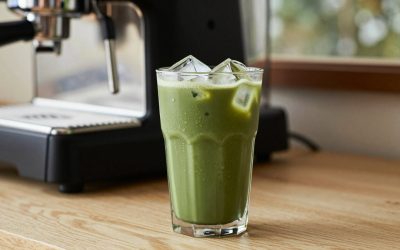
Where it shines is in drinks that do not depend on microfoam: iced lattes, blended drinks, and cold foam coffee made with a dedicated frother. The vanilla note pairs naturally with espresso’s caramelized sweetness, and the clean label is a genuine draw for anyone avoiding gums and emulsifiers. Treat it as a flavor-first choice rather than a texture-first one and it earns its place.
Ripple Original Plant Based Milk
The original Ripple formula shares the high pea-protein backbone of its sibling above, delivering the same trademark foam stability at a friendlier multi-carton price. It is the practical pick for households that go through plant milk quickly — smoothies, cereal, and lattes all from the same shelf-stable carton.
Under the wand it behaves predictably, stretching into a dense foam that holds up in larger milk drinks. It is marginally sweeter than the 32 oz version and works particularly well in a tall latte served in a double-wall latte glass, where its stable foam keeps the layered look intact. If you want one carton that covers the whole kitchen and still steams respectably, this is it.
What to Look For in a Milk Alternative for Espresso
Plant milks are not interchangeable, and the carton design rarely tells you what matters. These are the attributes that actually predict how a milk alternative will perform with espresso:
- Barista formulation — blends labeled “barista” are engineered with the fat and stabilizer balance needed to stretch and hold microfoam; regular versions of the same brand often separate or foam poorly.
- Protein content — protein builds and stabilizes foam. Pea-protein milks lead here, which is why they hold texture longest in the cup.
- Acidity tolerance — espresso is acidic, and low-stability milks can curdle on contact. Barista blends are buffered against this; bargain cartons often are not.
- Flavor neutrality — the milk should frame the espresso, not bury it. Strongly flavored milks suit iced and sweetened drinks better than flat whites.
- Ingredient list — decide where you stand on gums and emulsifiers. They improve steaming behavior but some households prefer short, recognizable labels.
- Shelf stability and pack size — shelf-stable cartons let you keep backups in the pantry; refrigerated cartons must be used quickly once opened.
Tips for Getting the Most Out of Milk Alternatives
Temperature discipline matters even more with plant milks than with dairy. Most alternatives taste scorched or turn watery past roughly 55–60°C, noticeably below where many people take dairy. Stop steaming when the pitcher is just uncomfortable to hold flat-palmed, and you will keep the sweetness intact. Stretch early — introduce air in the first few seconds while the milk is still cool — then bury the tip and let the whirlpool polish the texture.
Your hardware plays a part too. A clean, unobstructed steam tip makes a measurable difference to how fine the bubbles come out, and the right pitcher gives you the spout control plant foams demand; our roundup of espresso milk pitchers and steaming jugs covers sizes that suit single flat whites versus double lattes. If your machine lacks a wand entirely, a quality handheld electric milk frother can still produce respectable foam from barista oat blends.
Finally, shake the carton hard before every pour. Plant milks stratify in storage, and the stabilizers that make them steam well only work when the contents are fully recombined. Pour what you need, steam it once, and never re-steam — reheated plant foam collapses almost immediately.
Frequently Asked Questions
Why does my plant milk curdle when it hits espresso?
Curdling happens when espresso’s acidity and heat destabilize the milk’s proteins. Barista editions are formulated with acidity buffers to resist this. You can also reduce curdling by letting the shot rest for thirty seconds before adding milk, or by pouring slightly warmer milk into the espresso rather than the reverse.
What is the real difference between barista edition and regular plant milk?
Barista versions typically add fat and stabilizing ingredients and adjust acidity so the milk stretches, foams, and pours like dairy. The regular carton of the same brand often foams briefly and then separates. For espresso drinks, the barista label is almost always worth it.
Which milk alternative foams most like dairy?
Pea-protein milks like Ripple hold foam longest thanks to their protein content, while top barista oat blends like Chobani and Minor Figures come closest to dairy’s texture and pour feel. Almond milks generally produce the thinnest, shortest-lived foam of the group.
Can I make latte art with oat milk?
Yes — barista oat blends are the easiest plant milks for latte art. Stretch less than you would with dairy, keep the microfoam glossy and wet, and pour promptly before the foam thickens. A sharp-spouted pitcher gives you far better definition than a rounded jug.