Last updated: October 20, 2026


Editor's Pick
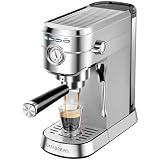
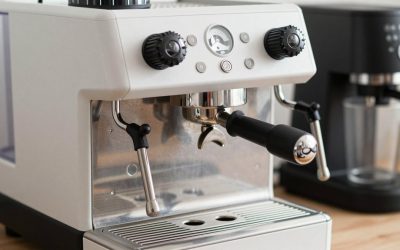
Ascaso Steel DUO Espresso Machine | PID | Programmable | Volumetric Controls | Dual Thermoblock | 120V | (White)


Best Seller
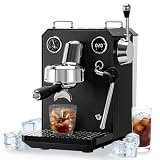
Ascaso Dream PID, Programmable Home Espresso Machine w/Volumetric Controls, 120V (Sweet Cream)


Disclosure: As an Amazon Associate we earn from qualifying purchases. This page contains affiliate links and we may earn a commission at no extra cost to you.
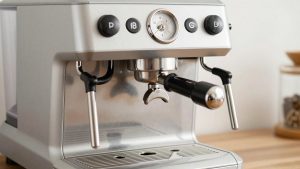
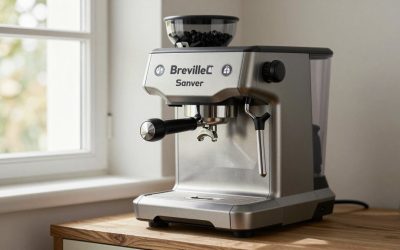
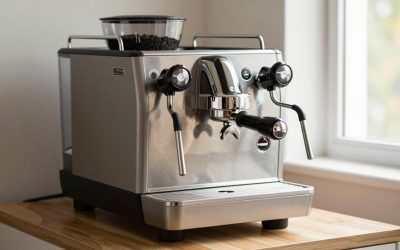
Few espresso machines turn heads on a kitchen counter the way the Ascaso Dream does. Built in Barcelona and finished in glossy, retro-inspired colors, the Dream looks more like a piece of mid-century design than an appliance. But looks only get you so far in this hobby. What matters at 6 a.m. is whether the machine heats quickly, holds a stable brew temperature, and pulls a shot you actually want to drink.
This review walks through where the Dream platform shines, where it asks you to compromise, and how it stacks up against the machines most shoppers cross-shop it with: Ascaso’s own step-up Steel DUO line, the evergreen Gaggia Classic, and a pair of budget-friendly alternatives. We have also included the one accessory almost every Ascaso owner ends up buying, because the brand’s smaller portafilter standard changes which tampers fit.
If you are still deciding whether a compact thermoblock machine is the right starting point at all, our espresso machine buying guide explains the trade-offs between machine types, and our best home espresso machine roundup ranks our current favorites at every budget.
Quick Comparison
| Product | Price | Rating |
|---|---|---|
| Ascaso Steel DUO PLUS | $2,052.75 | 5.0/5 |
| Ascaso Steel DUO | $1,780.75 | 4.7/5 |
| 57mm Walnut Calibrated Tamper | $43.99 | 4.6/5 |
| CHULUX Elite 20 Bar | $89.99 | 4.5/5 |
| Gaggia Classic (Brushed Stainless) | $453.79 | 4.4/5 |
| De’Longhi Classic Signature | $229.00 | 4.3/5 |
Why Trust This Guide
See also: How to Descale an Espresso Machine: Citric Acid vs Vinegar • Best Electric Kettles: Ten Glass, Steel and Gooseneck Picks Compared
We evaluate espresso machines the same way every time: heat-up behavior, temperature consistency across consecutive shots, steam capability, workflow ergonomics, and the practical realities of long-term ownership like descaling and parts availability. Recommendations draw on hands-on home-barista experience, manufacturer documentation, and consistent patterns in long-term owner feedback rather than spec-sheet marketing.
Ascaso Steel DUO PLUS
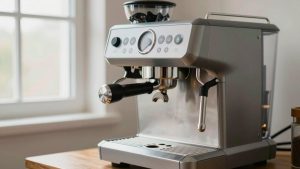
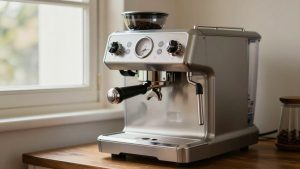
The Steel DUO PLUS is what you graduate to when you love what Ascaso does with the Dream but want a machine that behaves more like a café tool. It pairs PID temperature management with programmable, volumetric shot control, so once you have a recipe dialed in, the machine repeats it without you babysitting a timer. The dual thermosystem means you are not waiting between brewing and steaming the way you do on single-circuit machines.
It is best suited to the home barista who pulls multiple milk drinks back to back and wants repeatability above all. The obvious tradeoff is price: this is a four-figure machine, and you only extract that value if you use the workflow features daily. If you mostly drink straight espresso on weekends, the standard DUO or even the Dream itself will feel like a smarter buy.
Ascaso Steel DUO
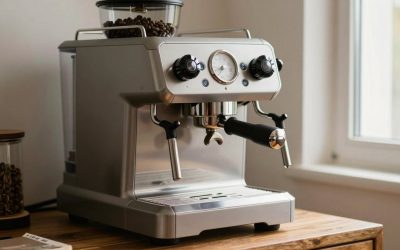
The standard Steel DUO keeps the parts of the PLUS that matter most — PID control, programmable dosing, and the dual thermosystem that lets you steam milk without a long wait after the shot. You give up a little of the top model’s automation polish, but the espresso in the cup is built on the same foundation.
For most upgraders coming from a Dream or an entry-level machine, this is the sweet spot in Ascaso’s range: noticeably more consistent than a basic thermoblock setup, far easier to live with than a heat-up-for-30-minutes prosumer boiler, and still compact enough for a normal kitchen. The tradeoff against the PLUS is mostly about convenience features rather than shot quality, which makes the price gap easy to reason about.
57mm Walnut Calibrated Tamper
Ascaso machines use a smaller basket than the 58mm commercial standard, which is why a purpose-sized 57mm tamper belongs in this list. This walnut-handled option is calibrated, meaning it clicks at a set pressure so every tamp lands the same. Consistent tamping is one of the cheapest upgrades to shot repeatability there is, especially for newer baristas who tend to tamp differently every morning.
It also fits other small-format machines from Lelit’s entry line, so it can follow you across gear changes within this size class. The tradeoff of any calibrated tamper is that you outgrow the training wheels eventually — experienced users often prefer a plain flat tamper — but at this price it earns its spot in the drawer.
CHULUX Elite 20 Bar
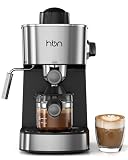
The CHULUX Elite exists for a completely different buyer than the Ascaso machines above: someone who wants real espresso-style coffee, hot or iced, for less than the cost of a nice tamper and a bag of beans. The compact stainless body takes up almost no counter space, and the simple controls mean there is essentially no learning curve.
Be realistic about what a machine at this price can do. You will not get the temperature stability or steam performance of a PID machine, and the shot quality ceiling is lower. But as a first taste of home espresso, a dorm or office machine, or a dedicated iced-espresso station, it is a low-risk way in. Plenty of people start here, get hooked, and then move up the ladder.
Gaggia Classic (Brushed Stainless)
The Gaggia Classic is the machine most often weighed against the Dream, and for good reason: it is the long-running default recommendation for first serious espresso machines. The brushed stainless body is famously durable, the community around it is enormous, and there is a deep aftermarket of baskets, spouts, and mods. Where the Dream charms with design, the Gaggia wins on ecosystem.
The tradeoffs are character traits rather than flaws. The steam wand takes practice, temperature management rewards technique, and the aesthetic is workmanlike rather than beautiful. If you like tinkering and want a machine you can grow into and modify, the Gaggia is hard to beat at this price. If you want something that looks gorgeous and stays simple, the Dream argument gets stronger.
De’Longhi Classic Signature
De’Longhi’s Classic Signature is the approachable, mainstream counterpoint in this lineup. It is built for people who want a forgiving machine that produces a respectable shot and froths milk for the occasional latte without demanding a hobby-level commitment. Setup is quick, operation is intuitive, and the brand’s service network is widespread.
The compromise is headroom. Machines in this class are designed to be forgiving rather than precise, so as your technique improves you will start bumping into the machine’s limits rather than your own. That makes it a great fit for casual daily drinkers and a less great fit for anyone who already weighs their beans. If that is you, stretch toward the Gaggia or an Ascaso instead.
What to Look For in a Machine Like the Ascaso Dream
Whether you land on the Dream or one of its rivals, the same handful of factors separate machines you keep for a decade from machines you resell in a year. Here is what actually matters in this class.
- Heating technology — Thermoblock machines like the Dream warm up quickly and suit small kitchens; traditional boilers hold more thermal mass for back-to-back drinks. Match the technology to how many drinks you make in a row.
- Temperature control — PID-managed machines hold brew temperature far more consistently than basic thermostats, and that consistency shows up directly in the cup, especially with lighter roasts.
- Portafilter standard — Ascaso uses a 57mm format while most prosumer gear is 58mm. Neither is better, but it determines which baskets and tampers fit; see our bottomless portafilter review for why the ecosystem matters.
- Steam performance — If milk drinks are your daily ritual, a dual thermosystem or fast-recovering steam circuit is worth paying for. Straight-espresso drinkers can ignore this entirely.
- Build and footprint — Metal internals and chassis age better than plastic. The Dream and the Gaggia both earn their reputations here; ultra-budget machines usually do not.
- Workflow extras — Programmable dosing, shot timers, and gentle ramp-up of pressure all reduce morning variables. Our pre-infusion guide explains why that last one matters more than most spec-sheet lines.
Tips for Getting the Most Out of an Ascaso Espresso Machine
The single biggest upgrade for any machine in this review is not on the machine at all — it is the grinder next to it. A thermoblock machine with a capable burr grinder will outperform a far more expensive machine fed with stale or inconsistent grounds every single time. If your budget forces a choice, spend on the grinder first; our espresso grinder roundup covers options at every price.
Second, weigh everything. A small scale under the cup turns espresso from guesswork into a repeatable recipe: same dose in, same beverage weight out, adjusted only by grind size. When a shot tastes harsh or sour, change one variable at a time — our guide to diagnosing bitter espresso walks through the usual suspects in order.
Finally, respect the water. Thermoblock machines are compact precisely because their water paths are narrow, which makes them less tolerant of scale buildup. Use filtered or appropriately soft water, descale on the schedule Ascaso recommends, and back-flush gaskets and screens regularly. Ten minutes of monthly care is the difference between a machine that lasts three years and one that lasts fifteen — a pattern you will see across every brand in our espresso machine brand comparison.
- ▸ Amazon Music Unlimited — free trial
- ▸ Start an Audible Premium Plus free trial
Frequently Asked Questions
Is the Ascaso Dream a good machine for beginners?
Yes, with one caveat. The controls are simple, warm-up is fast, and the machine is forgiving to learn on. The caveat is that, like every semi-automatic, it cannot fix bad grounds — budget for a real burr grinder at the same time and the learning curve flattens dramatically.
What size tamper and baskets does an Ascaso machine use?
Ascaso’s home machines use a 57mm portafilter format rather than the 58mm commercial standard. Stock accessories work fine out of the box, but if you upgrade your tamper or baskets, make sure you buy 57mm-compatible versions like the calibrated walnut tamper featured above.
Should I buy the Dream or stretch to the Steel DUO?
Buy the Dream if design, footprint, and simplicity are the priorities and you mostly make one or two drinks at a time. Stretch to the Steel DUO if you make several milk drinks daily or want PID-level temperature consistency — that is where the extra spend genuinely shows up in the cup.
How quickly can I start pulling shots after switching the machine on?
Thermoblock heating is one of the format’s biggest perks: the machine reaches brewing readiness in minutes rather than the half-hour soak a heavy boiler machine wants. Letting the portafilter warm through for a few extra minutes still improves the first shot of the day.