Last updated: September 5, 2026
Quick Comparison
| Product | Brand | Price | Rating |
|---|---|---|---|
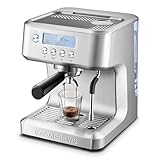
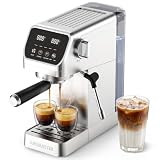
| LINKLIFE Automatic Espresso Machine with Grinder and Mi… | Linklife | $498.97 | 5/5 |
| KitchenAid Fully Automatic Espresso Machine KF2 with 6 … | — | $799.99 | 4.9/5 |
| Kismile 20 Bar Automatic Espresso Machine | Kismile | $329.99 | 4.8/5 |
| AMZCHEF Espresso Machine With Grinder | AMZCHEF | $199.99 | 4.7/5 |
| (2026 Upgrade) Gevi 20 Bar Espresso Machine with Grinde… | Gevi | $287.98 | 4.5/5 |
Automatic Espresso Machines: Cafe Quality at the Touch of a Button
See also: How to Replace Espresso Machine Water Filter (2026): Step-by-Step • How to Adjust Espresso Machine Brew Temperature (2026): Step-by-Step
An automatic espresso machine handles the entire brewing process — grinding, tamping, extracting, and sometimes even frothing milk — with minimal user input. These machines have transformed home espresso from a skill-intensive hobby into an accessible daily pleasure. Whether you call them super-automatics, bean-to-cup machines, or fully automatic, they all share one goal: great espresso with as little friction as possible. Here are three of the best on the market today.
De'Longhi Dinamica Automatic Espresso Machine
The De'Longhi Dinamica is the sweet spot between ease of use and drink variety. Its 13-step grinder adjustment gives you enough control to dial in your beans without overwhelming complexity. The LatteCrema system automatically froths cold milk directly from a built-in carafe, making lattes and cappuccinos hands-free. The intuitive color touchscreen lets you customize strength, temperature, and volume for each drink. A wide drip tray accommodates travel mugs. It's the most practical fully automatic machine for households with mixed coffee preferences.
As an Amazon Associate we earn from qualifying purchases at no extra cost to you. Product prices and availability are accurate as of the date shown and are subject to change.


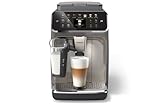

Philips 3200 Series Automatic Espresso Machine
The Philips 3200 LatteGo is one of the most user-friendly automatic machines available. Its LatteGo milk system uses two rotating parts — no tubes, no frothing wands — making it the easiest milk system to clean on any machine at this price. The ceramic brew group is removable and dishwasher-safe. Five coffee strength settings and an intuitive display make customization quick. AquaClean filter technology means you can brew up to 5,000 cups before descaling if you replace the filter on schedule.
Saeco Xelsis Automatic Espresso Machine
The Saeco Xelsis is the premium choice for households that want personalization at scale. It stores 6 individual user profiles, each with custom settings for up to 15 drink types — ideal for families where everyone has different coffee preferences. The automatic milk cleaning cycle runs after every use, keeping the carafe fresh without manual intervention. Its ceramic flat burr grinder offers 11 adjustable settings and produces exceptionally low grind temperatures for better flavor preservation.
Automatic Espresso Machine Buying Guide
- Grinder quality: Ceramic burrs last longer than steel and don't rust; check the number of grind settings for flexibility.
- Milk system type: Integrated milk carafes are most convenient; separate frothing requires manual cleanup but gives more control.
- Cleaning frequency: Machines with automatic rinsing and cleaning cycles save significant time over the machine's life.
- Drink menu: Count how many drinks you'll actually use — a 40-drink menu is meaningless if you only drink lattes.
- Water tank size: 50+ oz is ideal for 4+ cups daily without constant refilling.
- Bean hopper capacity: 8+ oz capacity means you refill beans weekly, not daily.
What to Look for in an Automatic Espresso Machine
Automatic and super-automatic espresso machines handle grinding, dosing, tamping, and extraction at the touch of a button, trading some hands-on control for everyday convenience. The most important component is the built-in grinder: because grind quality drives extraction more than almost anything else, a machine with an adjustable burr grinder will produce noticeably better espresso than one with a coarse or fixed grinder. Look for adjustable grind settings so you can fine-tune the shot to your beans.
Milk handling is the next big differentiator. Some machines include an automatic milk system that steams and froths for you, ideal if you mainly drink lattes and cappuccinos and want consistency without practice. Others provide a manual steam wand, which takes skill but gives you control over microfoam texture for latte art. Also weigh programmability, the ability to adjust shot volume, strength, and temperature, along with the size of the bean hopper and water tank against how often you want to refill, and the ease of cleaning, since automatic machines have more internal parts that need regular maintenance.
Getting the Best from Your Machine
Even a fully automatic machine rewards a little attention. Start with fresh whole beans and adjust the grind setting until shots pull in a sensible window, generally aiming for a balanced extraction rather than a flood or a trickle. Most quality machines brew at appropriate temperatures automatically, but using good filtered water improves taste and dramatically slows the scale buildup that shortens a machine’s life.
Maintenance is where automatic machines live or die. Their internal brew groups and milk circuits trap oils and milk residue that go rancid and clog passages if neglected. Run the machine’s cleaning and rinse cycles on schedule, clean the milk system after every use if it has one, and empty the drip tray and grounds container regularly. Descaling on the interval your water hardness demands keeps flow and temperature consistent. Treat these routines as non-negotiable and a super-automatic will deliver café-style drinks reliably for years; skip them and you will see slower shots, weaker flavor, and avoidable repairs.
Frequently Asked Questions
What is the difference between automatic and super-automatic espresso machines?
Automatic machines control the shot volume automatically but may still require manual grinding or milk steaming. Super-automatics handle grinding, dosing, tamping, brewing, and often milk frothing in one button press, offering the most hands-off experience.
Do automatic espresso machines make good espresso?
Yes, especially models with a quality adjustable burr grinder. They sacrifice some fine control compared with manual machines, but they deliver consistent, convenient shots that satisfy most home drinkers.
How often should I clean an automatic espresso machine?
Run the built-in rinse cycle daily, clean the milk system after every milk drink, and empty the drip tray and grounds bin regularly. Perform the deeper cleaning cycle and descaling on the schedule the machine recommends, which depends on your water hardness.
Can I use any coffee beans in an automatic machine?
Most accept whole beans of any roast. Very oily dark-roast beans can clog some grinders over time, so wipe the hopper periodically. Avoid pre-ground or flavored coffees in the bean hopper unless the machine has a separate ground-coffee chute.
Why is descaling important?
Hard water leaves mineral scale inside the boiler and lines, restricting flow and lowering brew temperature, which weakens flavor and can damage the machine. Descaling removes that scale, and using filtered water slows how fast it returns.
Final Thoughts
The De'Longhi Dinamica is the best all-around automatic espresso machine for most households. The Philips 3200 LatteGo wins on cleanup ease. The Saeco Xelsis is the choice for tech-forward households and families with varied coffee preferences. Any of these will deliver genuine cafe-quality drinks at the touch of a button, morning after morning.
Ready to decide? Our #1 pick for 2026 is the LINKLIFE Automatic Espresso Machine with Grinder and Mi….
Live price & availability on Amazon.