- Top Pick: Bialetti Moka Express Iconic Italian Stovetop Espresso Maker (Natural Silver, 6 Cups)
- Best Value: Bialetti – Venus Induction, Stovetop Coffee Maker, Suitable for all Types of Hobs, Stainless Steel, 6 Cups (7.9 Oz), Silver
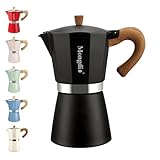
- Premium Choice: Mongdio Stovetop Espresso Maker Moka Pot, Cuban Coffee Maker Stove top coffee maker Moka Italian Espresso Greca Coffee Maker Brewer Percolator, 6 Espresso Cups, 10 oz – Black
Last updated: October 20, 2026
Quick Comparison
| Product | Brand | Price | Rating |
|---|---|---|---|
| Mixpresso 9 Cup Greca Stovetop Espresso Pot 450ml/15oz | Mixpresso | $20.99 | 4.2/5 |
| Primula Classic Stovetop Espresso and Coffee Maker | Primula | $15.99 | 4.4/5 |
| Primula Classic Stovetop Espresso and Coffee Maker | Primula | $24.99 | 4.4/5 |
The Stovetop Espresso Maker: Authentic Italian Coffee at Home
See also: How to Descale an Espresso Machine: Citric Acid vs Vinegar • Best Electric Kettles: Ten Glass, Steel and Gooseneck Picks Compared
The stovetop espresso maker — commonly called a moka pot — has been brewing bold, rich coffee in Italian kitchens since 1933. It works by forcing pressurized steam through ground coffee, producing a concentrated brew that sits somewhere between drip coffee and true espresso in strength and character. Moka pots are affordable, durable, produce no pods or waste, and require no electricity beyond your stovetop. They're the perfect entry point into concentrated home coffee brewing.
Bialetti Moka Express Stovetop Espresso Maker
The Bialetti Moka Express is the original and still the best-selling moka pot in the world. Designed by Alfonso Bialetti in 1933, the iconic octagonal aluminum design hasn't changed because it doesn't need to. Available in sizes from 1 to 12 cups, the Moka Express heats quickly, brews consistently, and is nearly impossible to break. The patented safety valve prevents dangerous pressure buildup. If you want authentic Italian stovetop espresso, this is the benchmark against which all others are measured.
As an Amazon Associate we earn from qualifying purchases at no extra cost to you.




Bialetti Brikka Stovetop Espresso Maker
The Brikka is Bialetti's premium moka pot with a patented crema valve that traps pressure before releasing it, producing a thicker, more espresso-like crema than a standard moka pot. It's available in 2-cup and 4-cup sizes. The brew is noticeably richer and more nuanced than the standard Moka Express. If crema matters to you and you're willing to pay slightly more for the upgraded experience, the Brikka is the best stovetop espresso maker for getting closer to true espresso character.
Cuisinox Roma Stovetop Espresso Maker
The Cuisinox Roma is a premium stainless steel moka pot that works on induction cooktops — something the standard aluminum Bialetti cannot do. Its 18/10 stainless steel construction resists corrosion, won't impart metallic flavors, and is dishwasher-safe. The flat bottom ensures stable contact with induction and gas burners alike. Available in 4, 6, and 10-cup sizes. A great choice for modern kitchens with induction stoves or for anyone who prefers stainless over aluminum.
Stovetop Espresso Maker Buying Guide
- Material: Aluminum heats fast and is traditional; stainless steel is more durable and induction-compatible.
- Size: Moka pot "cups" are 2 oz (espresso size), not regular coffee cups. A 3-cup makes about 6 oz of coffee.
- Stovetop compatibility: Verify induction compatibility if you have an induction cooktop — most aluminum models won't work.
- Grind size: Use a medium-fine grind — coarser than espresso but finer than drip. Never pack the basket down.
- Heat management: Use medium-low heat and remove from the burner as soon as gurgling begins to avoid a bitter brew.
- Cleaning: Hand-wash with warm water only. Soap strips the seasoning that builds up in aluminum pots over time.
The Science Behind Moka Pot Coffee
A stovetop espresso maker, or moka pot, brews by using steam pressure to push hot water up through a bed of ground coffee. As the water in the lower chamber heats, pressure builds and forces water up through the coffee and into the upper chamber. It is worth understanding that a moka pot operates at roughly 1 to 2 bars of pressure—far below the 9 bars a true espresso machine generates—so the result is not technically espresso. What it does produce is a rich, concentrated, full-bodied coffee with deep flavor that sits somewhere between drip and espresso, and which forms the base for many classic Italian home drinks.
Because the brewing relies on heat and pressure rather than precise temperature control, technique strongly influences the cup. Starting with hot water in the base reduces the time the coffee spends heating, which limits the metallic or bitter notes that can develop from prolonged exposure to high heat. Using medium heat rather than high keeps the brew from rushing and sputtering. When you hear the characteristic gurgle signaling the upper chamber is nearly full, remove the pot from the heat—continuing to brew at that point scorches the grounds and turns the coffee acrid.
Choosing the Right Grind and Maintaining Your Pot
Grind size is the variable most home brewers get wrong with a moka pot. The ideal grind is medium-fine—finer than drip but coarser than espresso. Too fine and the coffee can clog the filter and over-pressurize; too coarse and the water passes through too quickly, yielding a weak, under-extracted brew. Fill the filter basket with grounds and level it off without tamping, since packing the coffee down restricts flow and can cause excessive pressure. A consistent grind from a burr grinder makes a noticeable difference in evenness and clarity.
Maintenance keeps a moka pot performing and tasting clean for decades—these pots are famously long-lived. Disassemble and rinse all parts with warm water after each use, but avoid soap, which can leave residue and strip the seasoned coffee oils that traditionalists believe improve the brew over time. Never put an aluminum moka pot in the dishwasher, as the detergent and heat dull and pit the metal. Periodically inspect the rubber gasket and the filter plate; the gasket hardens and cracks with age and is the most common part to replace. A worn gasket lets steam escape and weakens the brew, so swapping it restores full performance.
Frequently Asked Questions
Is moka pot coffee really espresso?
Not technically. A moka pot brews at about 1 to 2 bars of pressure, while true espresso requires around 9 bars. The result is a strong, concentrated coffee that resembles espresso in intensity and works well in milk drinks, but it lacks the dense crema and full pressure of a machine-pulled shot.
What grind should I use for a moka pot?
Use a medium-fine grind—finer than drip coffee but coarser than espresso. Too fine clogs the filter and risks over-pressurizing; too coarse produces weak coffee. Fill the basket and level it off without tamping.
Why does my moka pot coffee taste bitter or burnt?
Bitterness usually comes from too much heat or leaving the pot on the stove too long. Use medium heat, start with hot water in the base, and remove the pot as soon as you hear the gurgling sound that signals the brew is finishing.
Can I use a moka pot on an induction cooktop?
Only if the pot has a magnetic, induction-compatible base—most traditional aluminum moka pots do not. Stainless steel models and induction-specific versions work on induction; otherwise you would need an induction adapter plate.
Should I wash my moka pot with soap?
Most enthusiasts recommend rinsing with warm water only and skipping soap, which can leave residue and strip the coffee oils that season the pot. Always dry the parts fully before reassembling to prevent corrosion, and never use a dishwasher on aluminum pots.
Final Thoughts
A stovetop espresso maker is one of the best coffee purchases you can make under $50. The Bialetti Moka Express is the classic, reliable choice for most kitchens. The Brikka is the upgrade path for crema enthusiasts. The Cuisinox Roma is the right pick for induction cooktops and those who prefer stainless. All three will reward you with bold, satisfying coffee every morning without an electricity cord in sight.