Last updated: October 20, 2026
As an Amazon Associate we earn from qualifying purchases at no extra cost to you.


Disclosure: As an Amazon Associate we earn from qualifying purchases. This page contains affiliate links and we may earn a commission at no extra cost to you.
Organic coffee used to mean paying a premium for beans that tasted like a compromise. That stopped being true years ago. Today some of the most carefully grown, carefully processed coffee on the market carries USDA Organic certification, because the same farms that bother with certification paperwork tend to be the ones obsessing over picking ripeness and processing quality too. For espresso drinkers, that overlap matters: concentration amplifies everything, including whatever was sprayed on the plant.
Certification is not a flavor guarantee, though, and the organic aisle still contains plenty of forgettable coffee. What separates the bags below is that each one is a genuinely good espresso candidate first and an organic product second. We have included a budget specialty option, a single-origin Ugandan from the slopes of Mount Elgon, two dark workhorses, a low-acid premium pick, and one conventional Italian benchmark for honest comparison.
One practical note before the list: organic certification says nothing about roast freshness, and stale organic beans pull worse shots than fresh conventional ones every single time. Whatever you buy, decant it into proper airtight storage when it arrives and grind right before brewing.
Quick Comparison
| Product | Price | Rating |
|---|---|---|
| JaJa Java Espresso Blend (Organic) | Check on Amazon | 4.8/5 |
| Nilotic Ugandan Sipi Falls | Check on Amazon | 4.8/5 |
| Mayorga Café Cubano (2 lb) | Check on Amazon | 4.6/5 |
| Cameron’s Organic Espresso (4 lb) | Check on Amazon | 4.6/5 |
| Lavazza Espresso 100% Arabica | Check on Amazon | 4.6/5 |
| Lifeboost Organic Espresso | Check on Amazon | 4.5/5 |
Why Trust This Guide
See also: 4 Best Coffee Beans for Iced Coffee (October 2026) Honest Reviews • Instant Espresso Brands Ranked
These picks come from our own time behind a home machine plus a close reading of each product’s stated certifications, origins, and roast styles, weighed against consistent long-run owner sentiment. We do not invent lab results or testing statistics, we say plainly when a premium price is hard to justify, and we include a conventional benchmark so the organic premium can be judged honestly.
JaJa Java Espresso Blend
The 12-ounce bag is roasted light for espresso, which positions it for drinkers who want sweetness and lively acidity rather than the dark, syrupy profile organic blends usually default to.
The small format works in its favor, since you will finish it while it is still lively. The tradeoffs are the flip side of its strengths: light roasts demand more dialing effort and a grinder with real consistency, and the per-ounce price advantage shrinks once you account for the small bag. As an affordable experiment that might rewire what you expect from organic espresso, it has no rival here. Our grind size guide will save you a few wasted doses while you find its window.
Nilotic Ugandan Sipi Falls
This is the adventurous pick: a single-origin, organically grown Ugandan coffee from the Sipi Falls region, roasted medium and sold whole bean. East African coffees bring a completely different vocabulary to espresso, with winey fruit and deep sweetness, and Ugandan Arabica from the Mount Elgon area remains seriously underpriced for its quality compared to neighboring Kenyan and Ethiopian lots.
The tradeoff is consistency: small-lot single origins vary harvest to harvest in a way the big blends on this list never will. If single origins become your thing, brewing the same bean side by side in a Vietnamese phin filter is a fascinating way to hear its full range.
Mayorga Café Cubano
Mayorga’s Café Cubano is the dark roast anchor of the organic world: a two-pound bag of Latin American beans taken dark, sold at a price that undercuts most premium organic competition per ounce. The profile is bold, smoky-sweet, and built like a traditional Cuban-style espresso, with enough body to power café con leche and lattes that taste like they came from a counter in Miami.
This is the bag for organic-minded households whose default drink involves steamed milk. It is roasted assertively, so drinkers chasing delicate origin notes should look at the Nilotic or JaJa Java instead, and its surface oils mean you should keep your grinder clean. Value per cup, it is the strongest dark option here, and a fixture worth a permanent spot on a well-organized home coffee bar cart.
Cameron’s Organic Espresso
Cameron’s four-pound organic espresso is the bulk-buy play, bringing the per-pound cost of certified organic espresso down to territory usually reserved for conventional supermarket beans. Cameron’s house style is smoothness above all, and their organic espresso follows suit: round, chocolatey, low bitterness, very easy to drink, very easy to extract.
The honest question with any four-pound purchase is freshness, because even a committed two-shot household takes well over a month to finish it. Split the bag on arrival, keep a week or two of beans in your daily canister, and seal the rest in the freezer in portions. Do that, and this is arguably the best dollars-per-latte organic option on the market; skip that discipline and the last pound will taste flat. It is also forgiving enough to be a super-automatic machine’s best friend.
Lavazza Espresso 100% Arabica
This one is not organic, and it is here on purpose. Some on this list will; some will not, depending on your palate.
On its own merits it remains excellent, aromatic, honeyed, gently roasted, and dependable batch after batch in a way small organic roasters struggle to equal. If you run a comparison week between this and any organic pick above, keep your variables fixed and your notes honest, the same way our bean sampler tasting method recommends. You will learn more about your own preferences than any label can tell you.
Lifeboost Organic Espresso
The beans produce a smooth, mellow shot with very little of the sharpness that bothers acid-sensitive drinkers, which is the entire point.
If regular espresso gives you trouble and you have been drinking less coffee than you would like, this bag is a legitimately useful product rather than wellness theater. If your stomach is cast iron, the math gets harder, because you can buy comparable smoothness for less elsewhere on this list. Treat it as a targeted solution: the drinker it is made for tends to become a devoted repeat customer, and everyone else is better served by Mayorga or Cameron’s per dollar.
What to Look For in Organic Espresso Beans
The organic label answers one question, but a good espresso purchase requires answering several more:
- Genuine certification — look for the actual USDA Organic seal rather than vague language like “naturally grown” or “organic practices,” which carry no verification at all.
- Espresso-appropriate roast — plenty of organic beans are roasted for drip. Bags that name espresso explicitly are developed for high-pressure extraction and will behave better in your portafilter.
- Origin transparency — roasters proud of their sourcing tell you the country, region, or farm. Single origins like the Nilotic Sipi Falls trade consistency for character; blends trade the reverse.
- Roast date visibility — certification does not slow staling. Prefer bags with printed roast or best-by dates and sellers with fast-moving stock.
- Bag size versus freshness — bulk organic bags like Cameron’s four-pounder only pay off if you portion and store them properly on day one.
- Price per pound, honestly computed — small premium bags can hide steep per-ounce costs. Decide what the certification and the cup quality are each worth to you before checkout.
Tips for Getting the Most Out of Organic Espresso Beans
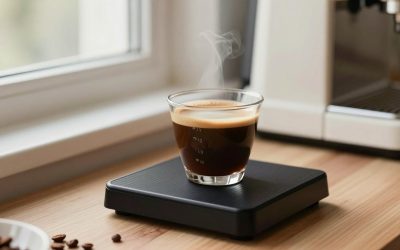
Dial in organic beans exactly as you would any other espresso, starting around 18 grams in, 36 grams out, in 25 to 30 seconds, and adjusting grind first. Organic lots, especially small single origins, can vary harvest to harvest, so expect to re-dial each new bag rather than assuming last month’s recipe still holds. A consistent routine on a timer-equipped coffee scale makes those small seasonal shifts obvious instead of mysterious.
Freshness discipline is doubly important with organic purchases because many are bought in bulk to offset the price premium. Portion big bags immediately, freeze what you will not drink within three weeks, and thaw sealed portions overnight before opening to avoid condensation. Finally, taste your organic beans against a conventional benchmark at least once. If the organic bag wins, you will buy it again with conviction; if it loses, you have learned that, for you, the certification is the product, and that is a perfectly legitimate thing to pay for, just an informed one now.
Frequently Asked Questions
Does organic coffee actually taste different from conventional coffee?
Not inherently. Certification governs how the coffee is grown, not how it tastes. In practice, farms that invest in certification often invest in quality picking and processing too, so organic bags skew slightly better curated. Roast level, freshness, and origin still matter far more to your shot than the seal does.
Is organic espresso worth the extra money?
That depends on why you are buying it. As a flavor upgrade alone, the premium is hard to defend, since excellent conventional beans exist at every price. As a vote for pesticide-free farming, or for sensitive drinkers using targeted products like Lifeboost, the premium buys something real. Decide which purchase you are making.
Are oily organic beans bad for my grinder or machine?
Dark-roasted organic beans like Mayorga’s Café Cubano carry surface oils that gradually coat burrs and hoppers, just as conventional dark roasts do. They will not damage anything, but clean your grinder more frequently, and avoid oily beans entirely in super-automatic machines whose makers warn against them. Lighter organic roasts pose no such issue.
Do organic beans go stale faster than regular beans?
No. Staling is driven by oxygen, light, heat, and time, not by farming method. The myth persists because organic beans often sit longer on shelves in smaller stores. Buy from high-turnover sellers, check dates, store beans airtight and dark, and organic bags will hold their peak exactly as long as conventional ones.