Last updated: October 20, 2026
A Gaggia espresso machine occupies an unusual position in the home-espresso market. It is neither the cheapest option on the shelf nor the most polished, but it sits at a price point where serious espresso hardware becomes accessible without stepping into commercial territory. The question a buyer actually faces is narrower than “which machine makes good espresso.” It is whether you want to learn the craft of pulling shots by hand, or whether you want a push-button solution that delivers consistently without requiring skill development. These are different machines with different philosophies, and Gaggia sells both under one brand.
What separates a worthwhile purchase from a frustrating one in this lineup is how well the machine matches your actual commitment level. A semi-automatic with a commercial-style group head rewards the person who will study grind size and tamp pressure over weeks. A super-automatic rewards the person who wants a drink before their first email. Owner feedback across this range consistently shows that mismatched expectations—not mechanical failure—cause the most dissatisfaction.
As an Amazon Associate we earn from qualifying purchases at no extra cost to you.




Quick Picks
| Product | Best for | Price |
|---|---|---|
| Gaggia RI9380/46 E24 | Stainless build on a budget | Check on Amazon |
| Gaggia Classic Evo Pro (Thunder Black) | Compact manual pulling | Check on Amazon |
| Gaggia Brera Super-Automatic (Black) | One-touch milk drinks | Check on Amazon |
| Gaggia Classic Evo Pro (Industrial Grey) | Matte finish, same internals | Varies |
| Gaggia RI9380/47 Classic Pro | Larger tank capacity | Check on Amazon |
| Gaggia Anima | Programmable convenience | Varies |
| Gaggia Brera Super-Automatic (Silver) | Same features, different finish | Varies |
| Gaggia Espresso Evolution (Lava Red) | Varies | Check on Amazon |
How We Compared
See also: How to Descale an Espresso Machine: Citric Acid vs Vinegar • Best Electric Kettles: Ten Glass, Steel and Gooseneck Picks Compared
We compared these machines on four criteria that matter most in this category. First, brewing architecture: whether the machine uses a commercial-size or consumer-size group head, and whether the boiler is single, dual, or thermoblock, because this determines shot consistency and steaming overlap. Second, steam performance and wand quality, since most disappointment in owner reviews traces back to weak or inconsistent steam. Third, daily maintenance burden—how often you must descale, clean the group gasket, or backflush, and whether the design makes those tasks annoying. Fourth, value per dollar relative to what the hardware actually offers versus what the finish and color premium add to the sticker price.
The 8 Best Gaggia Espresso Machine in 2026
Gaggia RI9380/46 E24 Espresso Machine
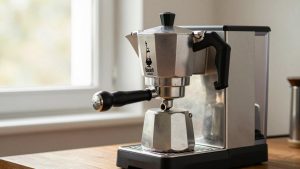
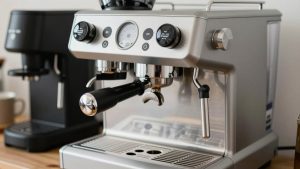
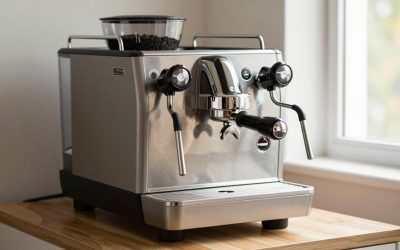
This brushed-stainless model is for buyers who want Gaggia’s internal brewing system without paying for a specific colorway. Owner feedback highlights the solid feel of the steel housing and the predictable shot extraction once the initial break-in period passes. The dual-boiler approach lets you brew and steam simultaneously, which is a meaningful advantage over single-boiler competitors at this price. One drawback: the stock portafilter is pressurized, which limits shot quality until you upgrade to the Gaggia non-pressurized basket. Skip this if you refuse to spend extra on a bottomless portafilter and a good grinder—the machine is designed to be modified, and buying it stock leaves value on the table.
Gaggia RI9380/49 Classic Evo Pro (Thunder Black)
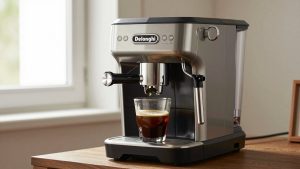
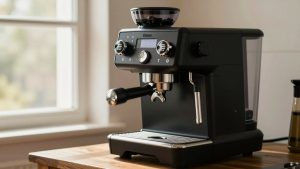
The Thunder Black Evo Pro is a colorway variant rather than a functional upgrade, but it appeals to buyers who want a matte black footprint on a light countertop. Internally it shares the same commercial-style group head and three-way solenoid that earned the Classic line its reputation among hobbyists. Pros include the tactile feel of the metal housing and the wide aftermarket support—gaskets, screens, and portafilters are easy to source. The con is the price premium over the same internals in other finishes. Skip it if you already own a Gaggia Classic or plan to upgrade immediately; at this level you are paying for aesthetics alone.
Gaggia Brera Super-Automatic (Black)
The Brera is for someone who wants espresso and milk drinks at the touch of a button with no learning curve. It grinds, doses, brews, and steams in one operation, with a 40-ounce water tank that handles a full morning without refilling. Owner feedback praises the consistency of output and the compact footprint for a super-automatic. The main con is that the integrated milk system, while convenient, produces a less textural microfoam than a manual wand. Skip it if you enjoy the ritual of steaming milk yourself or if counter space is extremely limited—the Brera is deep front-to-back.
Gaggia RI9380/51 Classic Evo Pro (Industrial Grey)
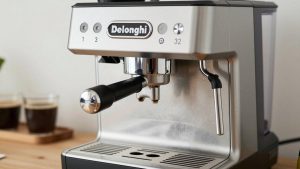
Functionally identical to the Thunder Black model, the Industrial Grey finish suits buyers with concrete, stainless, or charcoal kitchen palettes. The grey coating is powder-applied and resists fingerprints better than matte black, which is a small but real daily advantage. Shot quality and steaming performance match every other Evo Pro variant. The con mirrors the Thunder Black: you are paying a premium for color. Skip it if your primary concern is getting the best hardware for the lowest price within the Classic line; the E24 delivers the same experience for less.
Gaggia RI9380/47 Classic Pro (Cherry Red)
The Classic Pro with a 1.3-liter tank is for households that pull multiple shots daily and find smaller tanks too frequent a refill cycle. The larger reservoir is the defining difference from the Evo Pro variants, and owners confirm it reduces mid-session interruptions meaningfully. Build quality matches the rest of the Classic family, with the same three-way solenoid and commercial group head. The con is the cherry-red housing, which shows dust and coffee residue more visibly than darker finishes. Skip it if you pull only one or two shots per day—the tank size is overkill and the price premium buys capacity you will not use.
Gaggia Anima Espresso Machine
The Anima targets buyers who want super-automatic convenience with programmable drink profiles and a steam wand for manual frothing when they feel like it. This hybrid approach means you get push-button espresso daily and can still practice latte art on weekends. Owner reviews consistently note the display and menu system as intuitive, and the programmable options as genuinely useful for household members who prefer different strengths or volumes. Skip it if you will never touch the steam wand; the Anima’s value comes partly from flexibility you may not use.
Gaggia Brera Super-Automatic (Silver)
The silver Brera is the same machine as the black version with a different exterior treatment. The stainless-look panel resists scratches and blends into kitchens that already feature metal appliances. Performance, tank size, milk system, and maintenance schedule are unchanged. Skip it if the black finish suits your kitchen; this is purely a design choice that costs real money.
Gaggia Espresso Evolution (Lava Red)
It suits renters, students, or anyone testing whether they will actually develop an espresso habit before committing to a higher-tier model. Owner feedback is mixed: it produces acceptable crema and handles daily drinks fine, but the thermoblock design limits temperature stability for milk-heavy drinks and the single-boiler constraint means you cannot brew and steam simultaneously. The con is that you will likely outgrow it quickly. Skip it if you are already sure you want espresso as a regular ritual; the money saved is better spent on a Classic Evo Pro.
Buying Guide
Group Head and Boiler Type
The two biggest spec differences within this lineup are group head size and boiler configuration. The Classic family uses a commercial-size group head with a three-way solenoid valve, which means better temperature stability and the ability to upgrade to a bottomless portafilter later. The Evolution uses a consumer-grade setup that works but cannot be modified meaningfully. Boiler type matters for workflow: dual-boiler machines brew and steam at the same time; single-boiler machines require you to wait or accept compromised temperature. If you drink milk-based espresso frequently, prioritize dual-boiler or thermoblock designs with sufficient steam power.
Steam Wand vs. Integrated Milk System
A manual steam wand gives you control over milk texture but requires practice. An integrated milk system like the Brera’s gives you convenience but produces less velvety microfoam. The Anima sits between the two by offering both. Decide based on what you will actually do daily: if you want a cappuccino in under 60 seconds every morning without touching a pitcher, an integrated system wins. If the steaming ritual is part of what you enjoy about espresso, a manual wand is non-negotiable.
Colorway Premium and Future Resale
Several entries in this list differ only in exterior finish. The price gaps between the Thunder Black and Industrial Grey Evo Pro, or between the black and silver Brera, represent zero functional value. Before paying a color premium, consider resale: Gaggia Classics with standard or neutral finishes sell faster on secondary markets than unusual colors. The Cherry Red Classic Pro and Lava Red Evolution are harder to resell because buyers perceive them as personal taste rather than quality signals.
Our Verdict
The top pick is the Gaggia RI9380/46 E24 Espresso Machine. It delivers the full Classic brewing platform—the commercial group head, three-way solenoid, dual-boiler capability—at the lowest price in that family, with a brushed-steel finish that resists wear and does not inflate the cost through color premium.
FAQ
What is the difference between the Gaggia Classic Evo Pro and the standard Classic Pro?
The Evo Pro updates the water tank shape and adds a slightly refined housing compared to the older Classic Pro. The brewing internals—group head, solenoid, boiler—remain the same across both, so shot quality is identical. The practical difference is that the Evo Pro’s redesigned tank is easier to remove and clean.
How long do Gaggia espresso machines typically last?
Owner reports consistently cite five to ten years of daily use for Classic models when descaling is performed on schedule. Super-automatics like the Brera and Anima tend to reach the lower end of that range because they contain more moving parts in the grinder and milk system that wear over time.
Do I need a separate grinder with these machines?
Every semi-automatic in this lineup requires a separate burr grinder for good results. The stock pressurized portafilter masks grind inconsistencies, but upgrading to a non-pressurized basket without a quality grinder produces worse shots, not better ones. Super-automatics include a built-in grinder and do not need an external one.
Is the Gaggia Anima worth more than the Brera?
The Anima costs more because it adds programmable drink profiles and a manual steam wand alongside the automatic system. If you will always use the automatic path, the Brera delivers the same core espresso without the markup.