Last updated: October 2, 2026
Bialetti stainless steel espresso makers are stovetop moka pots, not true espresso machines. They brew strong, concentrated coffee by forcing hot water through ground coffee, but they do not produce the high pressure or crema of a pump espresso machine. That distinction matters: a Bialetti is inexpensive, compact, and simple, while a real espresso machine offers more control but costs more and demands a grinder and better technique.
For many kitchens, the stainless-steel Bialetti is the better fit. It makes coffee with a fuller body than most drip brewers, works without electricity, and can last for years if you use it correctly. The main decision is not whether it makes good coffee—it can—but whether its fixed brewing method suits the way you drink coffee.
Quick answer: Our top pick in 2026 is the Stainless-steel moka pot — our #1 rated choice. See the full ranked comparison, alternatives and buying advice below.
What a Bialetti stainless steel espresso maker is
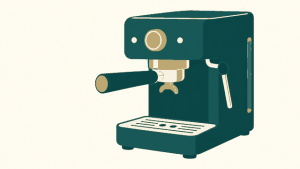
A stovetop moka pot has three main sections: a bottom chamber for water, a funnel-shaped filter basket for ground coffee, and an upper chamber that collects the brewed coffee. As the water heats, pressure pushes it through the coffee and into the upper section.
Stainless steel is a practical choice because it is durable, does not require seasoning, and is generally easier to maintain than aluminum. Many stainless-steel Bialetti pots work on gas, electric, and ceramic stovetops. Induction compatibility depends on the specific product, so check the packaging or listing rather than assuming every stainless model will work.
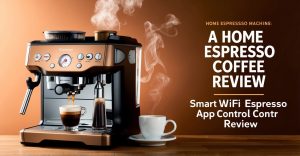
Despite the “espresso maker” wording often used in product listings, moka coffee is not espresso. It is usually best served in a small cup, diluted with hot water like an Americano, or combined with steamed milk. If you want café-style espresso with a proper portafilter, shop among home espresso machines instead.
What to consider before buying
See also: Breville Bench Saver • Rocket Espresso Coffee Machine
Size is based on small cups
Moka pot capacity is measured in roughly 2-ounce servings, not typical 8- or 12-ounce mugs. A six-cup pot may yield around 10 to 12 ounces of finished coffee, depending on how it is brewed. It is not designed to brew half a batch effectively: the basket should normally be filled to its intended level, and the pot should produce its full stated capacity.
Choose the size based on how many people drink coffee at once. A smaller pot is convenient for one person, but a larger pot is less frustrating if two people want coffee together. If your household has different schedules, two sizes may be more useful than one oversized pot.
Induction compatibility needs checking
Some stainless-steel Bialetti pots are induction-ready, while others are intended for gas, electric, and ceramic burners only. An induction cooktop needs a magnetic base with the right diameter. A pot that looks metallic is not automatically compatible.
Even an induction-compatible model may heat aggressively on a powerful hob. Start at a moderate setting and reduce the heat when coffee begins entering the upper chamber. High heat usually makes the process faster but can produce harsher coffee and increase the chance of sputtering.
Expect a different workflow from an automatic brewer
You must add water, measure or scoop coffee, assemble the pot, watch the stove, and rinse it after use. Brewing commonly takes several minutes, plus setup and cleanup. That is still simple, but it is not push-button convenience. If you want a larger batch with less supervision, a programmable drip coffee maker is often the more practical purchase.
Stainless moka pot versus other coffee makers
| Type | Best for | Main advantage | Main drawback |
|---|---|---|---|
| Stainless-steel moka pot | Strong coffee with a hands-on routine | Compact, durable, inexpensive to operate | Requires stovetop attention; no true espresso |
| Drip coffee maker | Several full mugs with minimal effort | Consistent, convenient batch brewing | Less concentrated coffee and larger footprint |
| Manual or automatic espresso machine | Espresso drinks and milk beverages | Higher pressure and more café-like results | Higher cost, more cleaning, better grinder needed |
| French press | Full-bodied coffee without a stovetop brewer | Simple brewing and flexible batch size | More sediment and less concentrated coffee |
How to get better results
Fill the lower chamber with water to just below the safety valve. Do not cover the valve. Fill the filter basket level with medium-fine coffee, but do not tamp it down like espresso. A firm tamp can restrict flow and create excessive pressure.
Use moderate heat. Once coffee begins flowing into the upper chamber, lower the heat or move the pot to a cooler burner. Remove it when the flow turns pale or begins to sputter, then cool the base briefly under running water if needed. Leaving it on high heat until the chamber is empty is a common cause of burnt, bitter coffee.
The grind is another frequent failure point. Coffee that is too fine can clog the filter and slow the brew. Coffee that is too coarse may taste thin. Start with coffee labeled for moka or a medium-fine grind, then adjust based on taste. Freshly ground coffee helps, but you do not need an expensive grinder to make a moka pot worthwhile.
Common problems and limitations
A leaking gasket is one of the most common issues. Coffee or steam escaping around the joint usually means the gasket or filter plate is dirty, worn, incorrectly seated, or not tightened enough. Replacement seals are available, but the pot should not be used if the safety valve is blocked or damaged.
A metallic taste is more likely when residue is left inside the pot or when strong detergent is used. Rinse the parts with warm water and let them dry fully before reassembling. Do not store the pot tightly screwed together while damp; trapped moisture can encourage odors and corrosion around the gasket.
The fixed basket is both a strength and a limitation. It makes brewing repeatable, but you cannot easily brew a smaller amount or change the coffee-to-water ratio as freely as you can with a pour-over brewer. There is also no crema-producing pressure, no built-in milk steaming, and no temperature display.
Who should buy one?
A Bialetti stainless steel espresso maker suits someone who wants concentrated coffee, has a compatible stovetop, and does not mind a short hands-on ritual. It is also a sensible choice for small kitchens, travel, offices with a hot plate, and households that do not want another electric appliance.
It is less suitable if you need coffee waiting when you wake up, regularly serve several large mugs, or mainly drink milk-based espresso beverages. In those cases, a drip brewer or a super-automatic espresso machine with a milk frother may justify its higher price through convenience.
The cheaper option is fine when you only need stovetop coffee and do not care about the Bialetti branding. A generic stainless moka pot can brew similarly if its gasket seals properly and its basket and valve are well made. Paying more for Bialetti mainly buys recognizable construction, replacement-part availability, and a long-established design—not café espresso.
FAQ
Can a stainless-steel Bialetti go on induction?
Some models can, but not all. Confirm induction compatibility for the exact pot before buying.
Does it make real espresso?
No. It makes concentrated moka coffee at lower pressure than an espresso machine, without the same crema or extraction control.
Can I use espresso-fine coffee in it?
Usually no. Espresso-fine coffee can restrict flow and make the pot sputter or brew harshly. Use a medium-fine grind instead.
Can I put it in the dishwasher?
Hand-washing is the safer choice. Dishwasher detergent and heat can dull stainless steel and shorten the life of the gasket.
Ready to decide? Our #1 pick for 2026 is the Stainless-steel moka pot.
Live price & availability on Amazon.