Last updated: September 4, 2026
An espresso machine transforms ordinary coffee beans into the concentrated, rich shots that anchor lattes, cappuccinos, americanos, and dozens of other café drinks. Whether you’re upgrading from a drip coffee maker or refining an existing setup, choosing the right espresso machine for your home determines whether you’ll pull café-quality shots daily or struggle with bitter, inconsistent results. This guide breaks down the major machine categories, what features actually matter, and how to match your investment to your skill level and drinking habits.
As an Amazon Associate we earn from qualifying purchases at no extra cost to you. Product prices and availability are accurate as of the date shown and are subject to change.





🛒 Best Price Today on Amazon
Prime members get fast, free shipping on everything above, plus member-only deals. New members get a 30-day free trial — cancel anytime.
Quick Comparison
| Product | Brand | Price | Rating |
|---|---|---|---|
| Roobi Espresso Cleaning Disc Compatible with Breville. … | Roobi | $24.99 | 5/5 |
| BookFactory The Coffee Taster’s Journal/Notebook Coffee… | BookFactory | $12.99 | 5/5 |
| Espresso Machine Grouphead Cleaning Brush – CAFEMASY 2 … | CAFEMASY | $19.99 | 5/5 |
| Stainless Steel Coffee Grind Size Ruler – Laser-Engrave… | eazttouz | $11.99 | 5/5 |
| Necessia Premium Cortado Glasses 4.5oz – Set of 2 | Necessia | $16.99 | 4.9/5 |
The Four Main Types of Home Espresso Machines
See also: Best Us Washing Machines in 2026: What to Know Before You Buy • Best Scanning Fax Machines in 2026: Top Picks Compared
Home espresso machines fall into four broad categories, each with distinct trade-offs between ease of use, control, and price. Understanding these categories is the most important step before comparing specific models.
Semi-Automatic Machines
Semi-automatic machines give you control over shot timing while automating water pressure and temperature. You grind beans, dose and tamp the portafilter, lock it into the group head, then press a button to start the pump. You stop the shot manually based on volume or color. This category dominates serious home setups because it teaches barista technique while delivering excellent results.

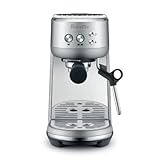
Roobi Espresso Cleaning Disc Compatible with Breville


As an Amazon Associate we earn from qualifying purchases. Product prices and availability are accurate as of the date/time indicated.
Automatic Machines
Automatic machines add programmable shot volumes — you set the dose once, and subsequent shots pour for the exact same duration. This consistency helps beginners and busy mornings, but you still manage grinding, dosing, and tamping. Auto machines typically share internals with semi-auto models in the same line, just with a programmable controller added.
Super-Automatic Machines
Super-automatic machines (also called bean-to-cup) handle everything from grinding to dispensing with a single button press. Built-in grinders, automated tamping, programmed extraction, and self-cleaning cycles eliminate technique entirely. The trade-off is reduced control over variables that affect taste. Modern super-autos produce surprisingly good espresso, especially mid-tier models with ceramic grinders and adjustable parameters.
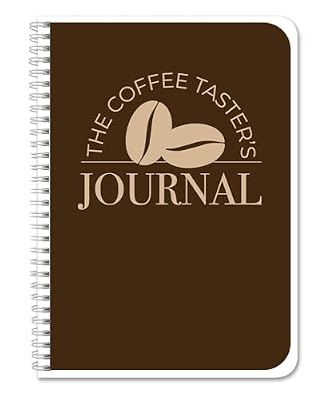
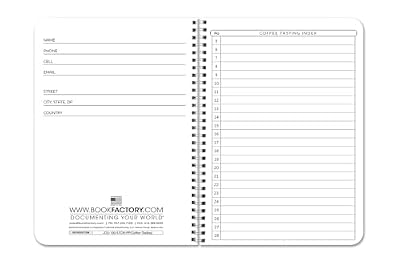
BookFactory Coffee Taster's Journal, 5" x 7" Wire-O, 100 Pages

As an Amazon Associate we earn from qualifying purchases. Product prices and availability are accurate as of the date/time indicated.
Manual Lever Machines
Lever machines use a spring-loaded or direct-pressure lever to generate extraction pressure. They appeal to enthusiasts who want maximum control and the ritual of pulling shots by hand. Manual levers can produce exceptional espresso but demand significant skill, and they’re typically the most expensive category per dollar of features.
Key Features That Actually Matter
Marketing materials emphasize pressure ratings (15-bar pumps are standard), but pressure isn’t the most important variable for shot quality. Focus on these factors instead.
Boiler Configuration
Single boiler machines heat water for either brewing or steaming, switching between modes with a temperature change. They’re affordable but require waiting between making espresso and steaming milk. Heat exchanger (HX) machines use a single boiler with a separate brew water path, allowing simultaneous steaming and brewing. Dual boiler machines have completely separate boilers for brew and steam — the gold standard for milk drinks, with independent temperature control and zero wait time.
PID Temperature Control
PID controllers maintain brew water temperature within 1-2°F of your set point versus 10°F+ swings on thermostat-only machines. Stable temperature is critical for consistent extraction. Mid-tier and premium machines now include PID as standard. If you’re spending over $500, insist on PID.
Group Head Design
E61 group heads (a 1961 Italian design) use thermosiphon circulation to maintain stable brewing temperature without an active heating element. They’re heavy, slow to warm up (15+ minutes), and produce remarkably consistent shots. Saturated groups and pre-heated chambers serve similar purposes. Avoid plastic group heads — they don’t retain heat reliably.
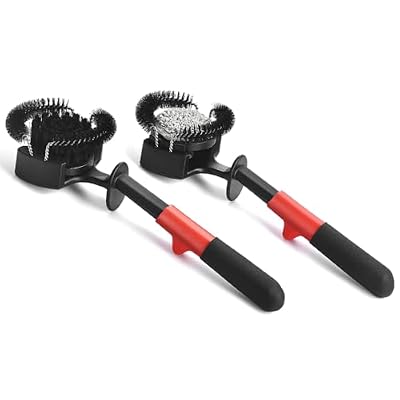
Espresso Machine Grouphead Cleaning Brush - CAFEMASY 2 Pack Coffee Brush Barista Tool Accessories for Cleaning 58mm Espresso Coffee Machine Brewing Grouphead


As an Amazon Associate we earn from qualifying purchases. Product prices and availability are accurate as of the date/time indicated.
Steam Wand Quality
If you make lattes, cappuccinos, or flat whites, the steam wand matters as much as the brew system. Look for: articulating wands that swing freely, 2-4 hole tips (more holes = faster steaming), and stainless steel construction. Underpowered steam ruins milk texture — minimum 1L boiler capacity for satisfying milk drinks, larger for back-to-back use.
Don’t Forget the Grinder
An expensive espresso machine paired with a cheap grinder produces mediocre shots. Espresso requires consistent particle size in the 200-400 micron range with minimal fines and boulders. Blade grinders cannot achieve this — you need a burr grinder, and ideally one designed for espresso (not general coffee).
Budget at least 25-40% of your machine cost on a quality burr grinder. A $600 machine paired with a $200 grinder produces better results than a $1,200 machine with a $50 grinder. Many bean-to-cup super-autos solve this by including conical burr grinders, but standalone grinders offer better quality at every price point.
Setting Your Budget Realistically
Espresso setups span an enormous price range. Here’s what your money buys at each tier:
- Under $300: Entry-level semi-automatics or basic super-autos. Workable for beginners but compromised on temperature stability, steam power, and durability. Expect to upgrade within 2-3 years.
- $300-$700: Solid prosumer semi-autos with PID, decent steam wands, and rebuildable components. The sweet spot for home users committed to learning the craft.
- $700-$1,500: Heat exchanger or entry dual-boiler machines, premium super-autos, and mid-range manual levers. Significant jump in shot consistency and milk steaming capability.
- $1,500-$3,000: Dual boiler prosumer machines, top-tier super-autos, and quality lever machines. Café-quality results with proper technique.
- $3,000+: Commercial-grade home machines built for decades of use. Diminishing returns for casual drinkers; obvious value for heavy users or aspiring professionals.
Maintenance and Long-Term Ownership
Espresso machines reward consistent maintenance and punish neglect. Build these habits from day one:
- Daily: Wipe the steam wand immediately after each use. Backflush the group head with water after the last shot. Empty the drip tray and knockbox.
- Weekly: Backflush with espresso machine detergent. Clean the portafilter basket of accumulated coffee oils. Check water reservoir for film or scale.
- Monthly: Descale according to your water hardness (more often in hard water areas). Inspect gaskets for cracking. Clean the bean hopper and grinder burrs.
- Annually: Replace group head gaskets and shower screens. Have the machine professionally serviced if it’s a high-end model with rebuildable internals.
Using filtered or distilled water dramatically extends machine life. Scale buildup destroys boilers and pumps faster than any other failure mode. A $30 water filter pitcher pays for itself in extended machine life.
Skill Development: The Hidden Cost
Even an expensive machine produces poor espresso in untrained hands. Plan for a learning curve of 50-100 shots before you consistently pull quality espresso. Key variables to master:
- Grind size: Adjust until 18-22g of coffee yields 36-44g of espresso in 25-32 seconds.
- Dose: Use a scale, not eyeball measurements. Consistent dose enables consistent extraction.
- Distribution and tamping: Even bed of coffee, level tamp at consistent pressure (most modern advice favors lighter pressure than the traditional 30lb recommendation).
- Milk texturing: Practice with water and dish soap to learn the wand position and timing before wasting milk.
Frequently Asked Questions
What’s the best espresso machine for a beginner?
A semi-automatic machine in the $400-$700 range with PID temperature control, paired with a quality burr grinder, teaches proper technique without overwhelming complexity. Avoid pod-based machines if you want to learn real espresso skills.
Are pod machines real espresso?
Pod machines (Nespresso, Keurig K-Café) produce coffee under pressure but rarely match the quality of fresh-ground espresso. They excel at convenience and consistency but lack the depth, crema, and customization of traditional machines. Good for occasional drinkers, not for enthusiasts.
Can I use any coffee beans for espresso?
Technically yes, but espresso blends are roasted darker and to a specific profile that emphasizes body and crema over single-origin nuance. Start with espresso-labeled beans, then experiment with single-origin and lighter roasts once your technique is solid. Use beans within 2-4 weeks of roast date.
How long do espresso machines last?
Entry-level machines: 2-5 years. Mid-range prosumer: 8-15 years. Premium machines with rebuildable parts: 20+ years. Proper maintenance and good water are the biggest factors in longevity.
Do I need a grinder or can I buy pre-ground espresso?
Fresh grinding is non-negotiable for quality espresso. Pre-ground coffee loses aroma within minutes and stales within days, even sealed. A burr grinder is the single most important purchase after the machine itself.
Final Thoughts
The best espresso machine for your home is the one you’ll use daily, that matches your skill development goals, and that fits your kitchen workflow. Beginners benefit from semi-automatic machines that teach fundamentals. Convenience-focused households thrive with super-autos. Enthusiasts gravitate toward dual boiler prosumer rigs that grow with their skills. Whatever you choose, invest equally in the grinder and water quality — these often-overlooked factors separate a good home espresso experience from a frustrating one. With the right setup and a few weeks of practice, café-quality shots become a daily reality.
Ready to decide? Our #1 pick for 2026 is the Roobi Espresso Cleaning Disc Compatible with Breville. ….
Live price & availability on Amazon.